Why Professional Contents Restoration Standards Matter After Fire, Water, and Smoke Damage
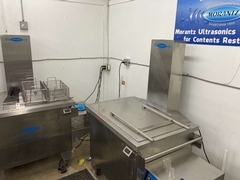
Professional contents restoration is one of the most critical factors in determining whether belongings are salvaged or permanently lost after fire, water, or smoke damage. While structural repairs often receive immediate attention, the majority of financial and emotional losses frequently occur inside the property. Clothing, electronics, furniture, medical equipment, documents, heirlooms, and business-critical assets are highly vulnerable to contamination and secondary damage when not handled properly.
In the aftermath of a disaster, restoration decisions must be guided by industry standards, contamination science, documentation protocols, and controlled processing methods. Without professional contents restoration, salvageable items can deteriorate rapidly due to moisture exposure, acidic soot, mold growth, corrosion, or improper handling.
At CRDN Team Crouch, professional contents restoration is executed using structured standards designed to protect policyholders, support insurers, and minimize total loss severity. According to the Insurance Information Institute (III), contents losses represent a substantial portion of property insurance claims following fire and water damage events, reinforcing the importance of proper mitigation and restoration practices.
Professional Contents Restoration — Why Standards Protect Salvageability
Professional contents restoration is not simply cleaning items after a disaster. It is a systematic process guided by contamination-specific protocols, documentation accuracy, chain-of-custody procedures, and environmental controls.
After fire damage, contents are exposed to:
Smoke particles
Acidic soot residue
Combustion byproducts
The National Fire Protection Association (NFPA) explains that smoke spreads rapidly throughout structures, affecting rooms far beyond the origin of the fire.
After water damage, contents face:
Moisture saturation
Bacterial contamination
Mold growth risk
The Environmental Protection Agency (EPA) states that mold growth can begin within 24 to 48 hours of water exposure, particularly on porous materials.
Professional contents restoration standards exist to interrupt these damage cycles quickly and effectively.
Why Fire Damage Requires Specialized Restoration Protocols
Fire damage presents complex restoration challenges beyond visible charring.
Smoke and soot contain acidic compounds that continue degrading materials long after the fire is extinguished. The National Institute of Standards and Technology (NIST) explains that combustion byproducts can chemically interact with materials, accelerating deterioration if not removed properly.
Professional contents restoration includes:
Contamination assessment
Soot removal techniques
Odor neutralization
Controlled cleaning based on material type
Without adherence to professional standards, improper cleaning can permanently damage fabrics, electronics, and furnishings.
CRDN Team Crouch applies contamination-specific processes aligned with industry best practices to protect salvageable items.
Water Damage and the Escalation of Secondary Loss
Water damage is rarely static. Moisture migrates into fabrics, wood, electronics, and paper materials quickly.
The Centers for Disease Control and Prevention (CDC) warns that floodwater may contain harmful contaminants that require proper sanitation to prevent health risks.
If contents are left untreated:
Mold growth accelerates
Corrosion develops
Odors embed deeply
Materials weaken
Professional contents restoration standards emphasize rapid packout, controlled drying, and sanitization to prevent secondary loss.
CRDN Team Crouch prioritizes early mitigation to maximize salvage rates.
Smoke Damage: The Invisible Threat
Smoke damage often affects contents that appear untouched by flames.
The National Fire Protection Association (NFPA) notes that smoke can penetrate enclosed spaces and deposit residue on surfaces throughout a structure.
Professional contents restoration addresses:
Embedded odor molecules
Acidic residue
Surface discoloration
Fiber degradation
Without proper restoration protocols, smoke contamination can continue causing deterioration for weeks or months.
Documentation Standards and Insurance Protection
Accurate documentation is a cornerstone of professional contents restoration.
The National Association of Insurance Commissioners (NAIC) highlights that incomplete or inaccurate inventories are a common cause of insurance claim delays and disputes.
Professional standards require:
Detailed itemized inventories
Photographic documentation
Condition reporting
Chain-of-custody tracking
CRDN Team Crouch integrates documentation into every phase of professional contents restoration to protect policyholders and streamline claims.
Electronics Restoration and Corrosion Prevention
Electronics are particularly vulnerable after fire or water exposure.
The National Institute of Standards and Technology (NIST) explains that corrosion can begin rapidly when electronic components are exposed to moisture and contaminants.
Professional contents restoration includes:
Stabilization
Controlled drying
Component inspection
Corrosion mitigation
Functional testing
Without professional standards, electronics may appear operational initially but fail weeks later due to internal damage.
CRDN Team Crouch applies structured electronic restoration protocols to prevent delayed failure.
Climate-Controlled Storage as a Restoration Standard
Proper storage conditions are essential during the restoration process.
The Environmental Protection Agency (EPA) explains that uncontrolled humidity and airborne contaminants can reintroduce damage to porous materials.
Professional contents restoration requires:
Climate-controlled storage
Humidity monitoring
Secure handling
Environmental protection
CRDN Team Crouch maintains controlled environments to safeguard contents throughout restoration.
Emotional and Operational Impact of Professional Restoration
Contents are often deeply personal or business-critical.
The American Psychological Association (APA) explains that restoring familiar belongings plays an important role in emotional recovery after traumatic events.
For businesses, professional contents restoration minimizes downtime and preserves operational continuity.
Standards matter because they protect:
Sentimental value
Financial value
Business stability
Emotional recovery
Why Standards Reduce Total Loss Severity
Adhering to professional contents restoration standards reduces:
Replacement costs
Claim severity
Disputes
Recovery timelines
The Insurance Information Institute (III) emphasizes the importance of proper mitigation to limit overall claim impact after disasters.
CRDN Team Crouch aligns restoration practices with industry standards to maximize salvageability and minimize loss.
Why CRDN Team Crouch Leads in Professional Contents Restoration
CRDN Team Crouch stands apart through:
Rapid emergency response
Contamination-specific cleaning systems
Advanced textile and electronic restoration
Comprehensive documentation
Insurance coordination
Climate-controlled storage
Our disciplined approach ensures that professional contents restoration is not just reactive, it is strategic, structured, and protective.
We serve homeowners and businesses across Ark-La-Tex, Memphis, and Houston with restoration standards that prioritize preservation, accountability, and recovery.
Professional contents restoration standards matter because they determine whether belongings are saved or lost after fire, water, and smoke damage. Without structured processes, contamination control, documentation accuracy, and environmental safeguards, salvageable contents can deteriorate quickly.
CRDN Team Crouch delivers professional contents restoration guided by industry standards and proven mitigation principles, protecting valuables, supporting insurance outcomes, and accelerating recovery for families and businesses alike.
When disaster strikes, standards are not optional, they are essential.
?? Call CRDN Team Crouch at (903) 908-1919
?? Visit https://www.crdntx.com
CRDN — Restoring contents with precision, accountability, and care.
Categories
Recent Posts
-
September 15, 2026
Home Content Cleaning After Disaster: How Professional Contents Restoration Can Save What Matters Most
-
September 8, 2026
Fire Damage Restoration: A Complete Guide to Recovering Your Home and Belongings After a Fire
-
September 3, 2026
Clothing Restoration After Fire and Water Damage: How Professional Restoration Can Save Your Wardrobe