The Ultimate Guide to Sculpture Restoration: How Experts Preserve Valuable Art After Fire, Water, Smoke, and Environmental Damage
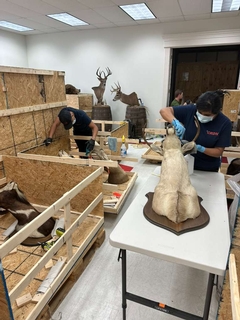
Sculpture restoration is one of the most specialized and delicate areas of contents restoration, requiring advanced expertise to preserve valuable artwork after fire, water, smoke, and environmental damage. Sculptures are more than decorative objects, they often hold historical, cultural, emotional, and financial significance that cannot easily be replaced.
Whether displayed in homes, galleries, museums, offices, hotels, or public spaces, sculptures are highly vulnerable to contamination and deterioration after disasters. Smoke residue, soot, floodwater, humidity, mold growth, and environmental pollutants can all damage surfaces, weaken structural integrity, and reduce the long-term value of artwork.
CRDN Team Crouch provides advanced contents restoration solutions designed to help protect valuable belongings and specialty items after disasters across Ark-La-Tex, Memphis, Houston, and surrounding areas. According to the Smithsonian Museum Conservation Institute, proper conservation and restoration techniques are essential for preserving cultural objects and preventing further deterioration after exposure to damaging conditions.
Understanding how professional sculpture restoration works can help property owners, collectors, and businesses protect irreplaceable artwork and make informed restoration decisions after disasters occur.
Sculpture Restoration, Why Specialized Restoration Matters
Sculpture restoration requires highly specialized techniques because sculptures are often composed of sensitive or mixed materials that react differently to fire, water, smoke, and environmental contaminants.
Common sculpture materials include:
- Bronze and metal alloys
- Stone and marble
- Wood
- Ceramic and porcelain
- Resin and fiberglass
- Plaster and mixed media
The American Institute for Conservation (AIC) explains that conservation professionals must evaluate both the physical condition and material composition of artwork before restoration begins.
Improper cleaning or handling can cause:
- Surface abrasion
- Chemical reactions
- Structural cracking
- Permanent discoloration
- Loss of artistic detail
CRDN Team Crouch understands the importance of protecting high-value and sentimental items during contents restoration and works with specialized restoration processes to ensure safe recovery.
How Fire Damage Affects Sculptures
Fire damage can affect sculptures even when they are not directly exposed to flames.
Smoke and soot travel rapidly throughout structures and settle onto surfaces within minutes.
The National Fire Protection Association (NFPA) explains that smoke contamination spreads far beyond the visible burn area during residential and commercial fires.
Smoke and soot damage may cause:
- Acidic corrosion on metal surfaces
- Staining and discoloration
- Residue buildup in porous materials
- Surface dullness and odor absorption
Heat exposure may also lead to:
- Cracking
- Warping
- Structural stress
- Expansion and contraction damage
Professional sculpture restoration involves contamination-specific cleaning methods designed to preserve delicate surfaces while removing harmful residue safely.
CRDN Team Crouch prioritizes rapid mitigation to reduce long-term damage to valuable contents and artwork.
Water Damage and Flood Exposure
Water damage is another major threat to sculptures, particularly in regions prone to flooding and humidity.
Flooding, roof leaks, burst pipes, and fire suppression systems can expose artwork to moisture and contaminants quickly.
The Environmental Protection Agency (EPA) states that porous materials exposed to moisture can begin supporting mold growth within 24 to 48 hours.
Water exposure may cause:
- Corrosion in metal sculptures
- Swelling or warping in wooden pieces
- Mold growth on porous surfaces
- Staining and mineral deposits
- Weakening of adhesives or joints
Professional sculpture restoration includes controlled drying and stabilization processes to prevent additional deterioration.
CRDN Team Crouch helps property owners respond quickly after water-related disasters to protect valuable contents and artwork.
Environmental Damage and Long-Term Deterioration
Even without a major disaster, sculptures can experience gradual damage from environmental conditions over time.
Factors such as:
- Humidity
- Temperature fluctuations
- Air pollution
- UV exposure
- Dust accumulation
can slowly degrade materials and finishes.
The Smithsonian Museum Conservation Institute emphasizes that environmental control is critical to preserving artwork and cultural objects.
Environmental damage may include:
- Oxidation and corrosion
- Surface fading
- Mold and mildew growth
- Structural instability
Professional sculpture restoration helps slow deterioration and preserve long-term integrity.
The Professional Sculpture Restoration Process
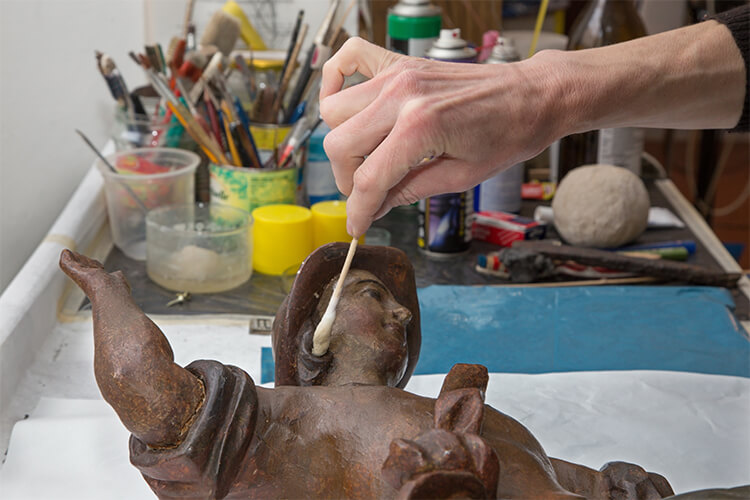
Sculpture restoration follows a detailed and highly controlled process designed to preserve both the appearance and structural integrity of the artwork.
1. Inspection and Assessment
Restoration specialists evaluate:
- Material composition
- Extent of damage
- Structural stability
- Contamination type
2. Documentation and Inventory
Artwork is photographed and documented thoroughly for restoration planning and insurance purposes.
The National Association of Insurance Commissioners (NAIC) explains that detailed documentation helps support accurate insurance claims and restoration decisions.
3. Surface Cleaning and Decontamination
Specialized cleaning techniques remove:
- Smoke residue
- Soot
- Dust and debris
- Biological contaminants
4. Structural Stabilization
Damaged components may require reinforcement or repair to prevent additional deterioration.
5. Preservation Treatments
Protective coatings and conservation treatments help reduce future environmental damage.
6. Final Inspection and Protection
The sculpture is carefully inspected before safe storage or reinstallation.
CRDN Team Crouch follows structured contents restoration protocols designed to protect high-value and delicate belongings throughout the restoration process.
Why DIY Sculpture Cleaning Can Cause Permanent Damage
Many property owners attempt to clean damaged artwork themselves after disasters.
Unfortunately, improper cleaning methods can permanently damage sculptures.
Common mistakes include:
- Using household cleaners
- Applying abrasive materials
- Improper drying methods
- Over-cleaning delicate surfaces
The National Park Service (NPS) warns that improper handling and cleaning techniques can irreversibly damage cultural objects and artwork.
Professional sculpture restoration ensures that artwork is treated safely and according to conservation best practices.
Protecting High-Value and Sentimental Artwork
Sculptures often represent more than financial value.
Many pieces hold:
- Historical significance
- Family heritage
- Emotional importance
- Cultural relevance
The American Alliance of Museums (AAM) emphasizes the importance of preserving cultural and artistic objects for future generations.
CRDN Team Crouch understands the emotional impact of damaged belongings and prioritizes careful handling during restoration projects.
Insurance and Artwork Restoration
Recovering damaged artwork after disasters often involves complex insurance claims.
Proper documentation is essential for:
- Condition reporting
- Value assessment
- Restoration justification
- Claims processing
The Insurance Information Institute (III) explains that detailed documentation helps policyholders navigate contents-related claims more effectively.
CRDN Team Crouch provides detailed inventory and documentation support throughout the restoration process.
Indoor Air Quality and Art Preservation
Smoke particles, mold spores, and contaminants trapped within damaged environments can continue affecting artwork long after the disaster.
The Environmental Protection Agency (EPA) highlights the importance of indoor air quality management during restoration and recovery.
Professional sculpture restoration often includes:
- HEPA filtration support
- Controlled environmental storage
- Humidity management
- Contaminant removal
CRDN Team Crouch helps protect contents and artwork from ongoing environmental exposure during restoration.
Environmental Benefits of Restoration Over Replacement
Restoring sculptures instead of replacing them also supports environmental sustainability.
Discarded artwork and damaged materials contribute to landfill waste and unnecessary resource consumption.
The Environmental Protection Agency (EPA) encourages reuse and restoration practices to reduce environmental impact.
Sculpture restoration helps:
- Preserve valuable materials
- Reduce waste
- Protect cultural resources
- Support sustainable recovery practices
CRDN Team Crouch integrates environmentally responsible restoration approaches whenever possible.
Why Local Restoration Expertise Matters
Regions like Ark-La-Tex, Memphis, and Houston face environmental conditions that increase the risk of damage to artwork and contents.
These conditions include:
- High humidity
- Flooding events
- Severe storms
- Fire-related emergencies
Local restoration professionals understand these regional risks and can respond quickly when disasters occur.
CRDN Team Crouch provides rapid-response restoration services designed to help protect valuable contents and artwork throughout the region.
Why CRDN Team Crouch Leads in Specialty Contents Restoration
CRDN Team Crouch stands out because of its commitment to advanced restoration, rapid response, and professional care for valuable belongings.
Their restoration services include:
- Specialty contents restoration
- Textile and fabric restoration
- Electronic restoration
- Packout and storage services
- Smoke and soot cleaning
- Water damage mitigation
- Insurance coordination
By combining technical expertise with compassionate service, CRDN Team Crouch helps homeowners and businesses protect valuable contents after disasters.
Sculpture restoration is essential for preserving valuable artwork after fire, water, smoke, and environmental damage. Professional restoration helps prevent further deterioration, protect artistic and historical value, and support long-term preservation.
CRDN Team Crouch provides advanced contents restoration solutions designed to protect delicate and high-value belongings throughout Ark-La-Tex, Memphis, Houston, and surrounding areas.
When disaster affects artwork and valuable contents, professional restoration can make the difference between permanent loss and successful recovery.
?? Call CRDN Team Crouch at (903) 908-1919
?? Visit https://www.crdntx.com
CRDN — Protecting valuable contents, preserving history, and helping communities recover.
Categories
Recent Posts
-
October 22, 2026
Contents Cleaning and Deodorization: How Professional Restoration Removes Smoke, Soot, and Unpleasant Odors After Property Damage
-
October 20, 2026
Fabric Restoration: How Professional Restoration Saves Fabrics After Fire, Smoke, and Water Damage
-
October 15, 2026
Insurance Packout: How Professional Contents Restoration Protects Your Belongings During an Insurance Claim