The Ultimate Guide to Fabric Restoration After Fire: How Professionals Remove Smoke, Soot, and Odors from Valuable Textiles
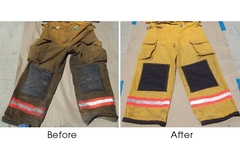
Fabric restoration after fire is one of the most important yet often overlooked aspects of disaster recovery. When a fire occurs, homeowners and business owners naturally focus on structural damage. However, some of the most significant losses happen to the contents inside the property, especially fabrics and textiles that absorb smoke, soot, odors, and contaminants within minutes.
Clothing, bedding, upholstery, draperies, rugs, linens, uniforms, and sentimental textiles are highly vulnerable after a fire. Many people assume these items are beyond saving and immediately begin planning for replacement. In reality, professional restoration can often recover a large percentage of smoke-damaged fabrics, saving both money and priceless personal belongings.
CRDN Team Crouch specializes in helping families and businesses recover valuable textiles after disasters. Through advanced restoration technology, specialized cleaning techniques, and decades of industry expertise, CRDN Team Crouch restores fabrics that many property owners believe are permanently damaged.
According to the National Fire Protection Association (NFPA), hundreds of thousands of structure fires occur annually across the United States, leaving behind widespread smoke and soot contamination that extends far beyond the immediate burn area.
Understanding how professional fabric restoration works can help property owners make informed decisions and protect what matters most after a fire.
Fabric Restoration After Fire, Why Immediate Action Matters
Fabric restoration after fire begins with understanding how smoke and soot affect textiles.
When a fire occurs, smoke travels rapidly through a structure, depositing microscopic particles onto nearly every surface.
These contaminants can include:
- Carbon particles
- Acidic soot residues
- Combustion byproducts
- Odor-causing molecules
- Toxic chemicals
The National Institute of Standards and Technology (NIST) explains that smoke residues can continue damaging materials long after the fire is extinguished due to their corrosive properties.
For fabrics, this can result in:
- Yellowing and discoloration
- Permanent staining
- Lingering odors
- Fiber degradation
- Health-related contamination concerns
The longer contaminated fabrics remain untreated, the more difficult restoration becomes.
This is why rapid response is a cornerstone of professional fabric restoration after fire.
How Smoke Damage Affects Different Types of Fabrics
Not all fabrics react to smoke contamination the same way.
The severity of damage often depends on:
- Fabric type
- Exposure duration
- Temperature conditions
- Humidity levels
- Type of fire
Natural fibers such as cotton, wool, silk, and linen tend to absorb smoke particles deeply.
Synthetic materials may retain odors and oily residues more aggressively.
The Institute of Inspection Cleaning and Restoration Certification (IICRC) emphasizes that contamination-specific cleaning methods are critical because different materials require different restoration approaches.
Common items affected include:
- Clothing
- Upholstered furniture
- Bedding
- Curtains and draperies
- Area rugs
- Decorative textiles
- Commercial uniforms
CRDN Team Crouch uses customized restoration methods designed specifically for each fabric category.
Understanding the Hidden Dangers of Soot
One of the most destructive contaminants after a fire is soot.
Soot consists of fine carbon particles mixed with combustion residues that can become embedded within fabric fibers.
The Environmental Protection Agency (EPA) notes that combustion particles can impact both indoor air quality and material integrity.
Soot contamination can:
- Cause staining
- Accelerate fabric deterioration
- Create strong odors
- Trigger allergic reactions
- Damage delicate fibers
Many homeowners unknowingly worsen damage by attempting to brush, vacuum, or wash soot-covered fabrics improperly.
Professional fabric restoration after fire ensures soot is removed safely without causing additional damage.
Why DIY Fabric Cleaning Often Fails
After a fire, many property owners attempt to clean fabrics themselves.
Unfortunately, household cleaning methods rarely address smoke contamination effectively.
Common mistakes include:
- Using standard laundry detergents
- Applying excessive heat
- Scrubbing stained areas
- Using bleach or harsh chemicals
- Delaying treatment
The American Cleaning Institute explains that smoke and soot contamination often require specialized cleaning processes beyond conventional laundering methods.
DIY cleaning can:
- Set stains permanently
- Drive odors deeper into fibers
- Damage delicate materials
- Spread contamination
Professional fabric restoration after fire uses advanced restoration technologies specifically designed for smoke-damaged textiles.
The Professional Fabric Restoration Process
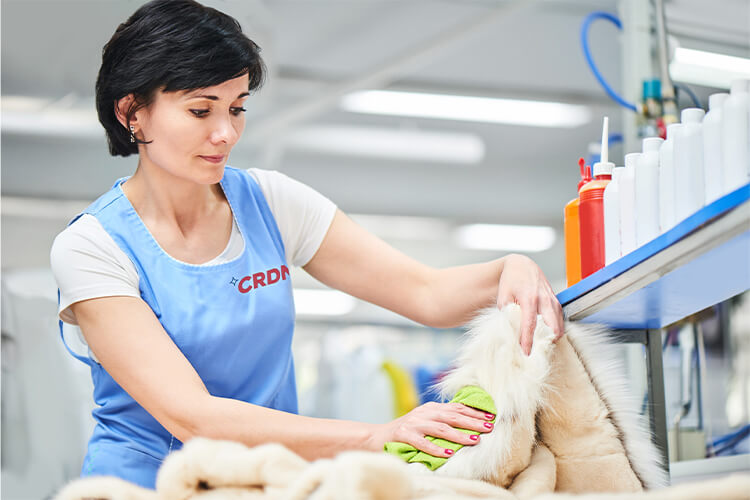
Professional restoration follows a structured process that maximizes recovery while protecting delicate materials.
1. Inspection and Assessment
Every textile is evaluated based on:
- Material composition
- Contamination level
- Smoke exposure
- Restoration potential
This step determines the safest and most effective cleaning approach.
2. Inventory and Documentation
Items are photographed and documented thoroughly.
The National Association of Insurance Commissioners (NAIC) explains that detailed inventory documentation helps support insurance claims and reduce disputes.
CRDN Team Crouch maintains comprehensive tracking systems to ensure accountability throughout the restoration process.
3. Pre-Treatment
Specialized solutions are applied to loosen soot and contamination before cleaning begins.
4. Advanced Cleaning
Different fabrics undergo customized cleaning procedures that may include:
- Wet cleaning
- Dry cleaning
- Hand cleaning
- Ultrasonic cleaning
- Specialized deodorization
5. Odor Neutralization
Unlike household air fresheners, professional deodorization eliminates odor molecules rather than masking them.
6. Quality Inspection
Each item is inspected carefully before being returned to the customer.
Odor Removal: One of the Most Important Steps
Many people associate fire damage primarily with visible staining, but odors are often the most persistent challenge.
Smoke odors become trapped within:
- Fibers
- Padding
- Upholstery materials
- Fabric weaves
The Centers for Disease Control and Prevention (CDC) notes that smoke contains a complex mixture of gases and particles that can linger long after a fire event.
Professional fabric restoration after fire uses:
- Thermal deodorization
- Ozone treatments
- Hydroxyl technology
- Specialized odor-neutralizing systems
CRDN Team Crouch focuses on complete odor elimination to ensure fabrics are safe and comfortable for use again.
Can Smoke-Damaged Clothing Really Be Saved?
One of the most common questions property owners ask is whether smoke-damaged clothing can actually be restored.
In many cases, the answer is yes.
Professional restoration often successfully recovers:
- Everyday clothing
- Business attire
- Uniforms
- Specialty garments
- Designer clothing
- Children's clothing
The key factor is speed.
The sooner professional fabric restoration after fire begins, the greater the likelihood of successful recovery.
CRDN Team Crouch routinely restores garments that property owners initially believed were unsalvageable.
Restoring Upholstery and Household Textiles
Beyond clothing, household textiles are often among the most expensive items to replace.
This includes:
- Sofas
- Chairs
- Mattresses
- Decorative pillows
- Draperies
- Rugs
The National Fire Protection Association (NFPA) notes that smoke contamination frequently spreads throughout an entire structure regardless of where the fire originated.
Professional restoration helps preserve these valuable items while reducing replacement costs significantly.
Fabric Restoration Supports Sustainability
Restoration offers environmental benefits as well.
The Environmental Protection Agency (EPA) encourages reuse and recovery practices that reduce landfill waste.
Fabric restoration after fire helps:
- Reduce textile waste
- Minimize landfill contributions
- Preserve resources
- Support sustainable recovery
Instead of discarding salvageable materials, restoration extends the life of valuable fabrics.
CRDN Team Crouch integrates sustainable restoration practices whenever possible.
Why Insurance Companies Support Restoration
Insurance providers often prefer restoration over replacement because it reduces overall claim costs while preserving valuable property.
The Insurance Information Institute (III) notes that contents restoration can often be substantially less expensive than replacing damaged belongings.
Benefits include:
- Lower claim costs
- Faster recovery timelines
- Reduced replacement expenses
- Preservation of sentimental items
CRDN Team Crouch works closely with adjusters and insurance professionals to streamline the restoration process.
Why CRDN Team Crouch Is a Leader in Fabric Restoration
CRDN Team Crouch has built a reputation for excellence in textile restoration through a combination of advanced technology, specialized expertise, and compassionate service.
Their fabric restoration services include:
- Smoke damage restoration
- Soot removal
- Odor elimination
- Textile cleaning
- Packout and storage services
- Insurance coordination
- Commercial and residential restoration support
Serving communities across Ark-La-Tex, Memphis, Houston, and surrounding regions, CRDN Team Crouch helps property owners recover valuable textiles quickly and professionally.
Their commitment to innovation and customer care continues to position them as a trusted thought leader in the restoration industry.
Fabric restoration after fire is one of the most effective ways to recover valuable clothing, upholstery, draperies, linens, and other textiles after a disaster. Professional restoration not only removes smoke, soot, and odors but also helps preserve sentimental items, reduce replacement costs, and support faster recovery.
CRDN Team Crouch provides advanced fabric restoration solutions designed to restore what matters most after fire damage.
When smoke contamination affects your home or business, choosing professional restoration can make the difference between permanent loss and successful recovery.
?? Call CRDN Team Crouch at (903) 908-1919
?? Visit www.crdntx.com
CRDN — Restoring fabrics, preserving memories, and helping communities recover after disaster.
Categories
Recent Posts
-
October 15, 2026
Insurance Packout: How Professional Contents Restoration Protects Your Belongings During an Insurance Claim
-
October 13, 2026
Items Affected by Fire and Water Damage: What Can Be Restored and What Must Be Replaced?
-
October 8, 2026
Fire Damage Restoration: How Professional Restoration Can Save Your Home and Belongings After a Fire