Oil Painting Cleaning Near Me: How Professional Art Restoration Experts Safely Remove Smoke, Dust, Water Stains, and Years of Surface Contamination
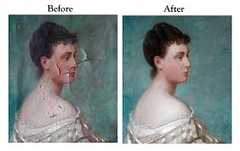
Oil painting cleaning near me is a search increasingly used by homeowners, art collectors, businesses, galleries, and property managers after discovering damage to valuable artwork. Whether the damage comes from smoke after a fire, dust accumulation over decades, water intrusion, mold growth, or environmental contamination, oil paintings require specialized care that goes far beyond ordinary cleaning.
Many people are surprised to learn that oil paintings are constantly affected by their environment. Smoke particles, airborne pollutants, humidity fluctuations, cooking residues, dust, and UV exposure can slowly alter colors, weaken varnishes, and degrade surfaces. Following a fire or water loss, the damage can become even more severe.
Unfortunately, improper cleaning often causes more harm than the original contamination. According to the American Institute for Conservation (AIC), artwork conservation requires specialized knowledge of materials, chemistry, and preservation methods to avoid irreversible damage.
This is why professional restoration matters.
CRDN Team Crouch understands that artwork is often one of the most valuable and sentimental contents within a home or business. Through advanced contents restoration processes, rapid disaster response, and expert handling procedures, CRDN Team Crouch helps property owners protect and recover valuable artwork after fire, smoke, and water damage events.
Oil Painting Cleaning Near Me — Why Professional Restoration Is Essential
Oil painting cleaning near me searches often happen after property owners notice discoloration, staining, smoke residue, mold growth, or visible dirt buildup on artwork.
Unlike ordinary household items, oil paintings are constructed from multiple delicate layers that may include:
- Canvas or wood supports
- Ground layers
- Paint pigments
- Varnish coatings
- Protective finishes
The Smithsonian Museum Conservation Institute explains that every layer of a painting reacts differently to environmental conditions, making professional assessment critical before any cleaning begins.
Improper cleaning attempts may cause:
- Pigment loss
- Surface abrasion
- Varnish damage
- Water staining
- Permanent discoloration
Professional oil painting cleaning focuses on preserving both the artistic integrity and financial value of the artwork.
CRDN Team Crouch recognizes that restoration is not simply about cleaning—it is about preserving history, memories, and investments.
How Smoke Damage Affects Oil Paintings
One of the most common reasons people search for oil painting cleaning near me is after a fire.
Even when flames never reach the artwork itself, smoke contamination can spread throughout an entire structure.
According to the National Fire Protection Association (NFPA), smoke particles can travel rapidly through a property and settle on surfaces far from the fire's origin.
Smoke damage can affect paintings by:
- Depositing acidic soot particles
- Discoloring varnishes
- Creating yellow or brown staining
- Embedding odors into porous materials
- Accelerating chemical deterioration
The longer smoke residue remains on an oil painting, the greater the potential for permanent damage.
Professional restoration specialists use specialized conservation-grade methods to remove contaminants while protecting the paint layers beneath.
CRDN Team Crouch helps ensure that valuable artwork receives immediate attention following fire-related events.
Water Damage and Oil Painting Restoration
Water damage presents another significant threat to artwork.
Flooding, roof leaks, burst pipes, appliance failures, and fire suppression efforts can all expose paintings to moisture.
The Federal Emergency Management Agency (FEMA) explains that water damage can continue affecting belongings long after the initial event if immediate mitigation is not performed.
Water exposure may lead to:
- Canvas distortion
- Mold growth
- Paint separation
- Varnish clouding
- Staining and discoloration
The Environmental Protection Agency (EPA) notes that mold growth can begin within 24 to 48 hours in damp environments, particularly on porous materials.
Professional restoration helps stabilize artwork quickly, reducing the likelihood of irreversible damage.
CRDN Team Crouch's rapid-response restoration services help protect valuable contents before secondary damage occurs.
Why Dust and Environmental Contamination Matter
Many paintings suffer damage even when no disaster has occurred.
Over years or decades, environmental contaminants gradually accumulate on surfaces.
These contaminants may include:
- Dust
- Cooking oils
- Nicotine residue
- Airborne pollutants
- Humidity-related deposits
The Smithsonian Museum Conservation Institute emphasizes that environmental contamination can alter the appearance and longevity of artwork over time.
What may appear to be darkened paint colors is often a layer of accumulated contamination or deteriorated varnish.
Professional cleaning can often reveal vibrant colors hidden beneath years of buildup.
The Professional Oil Painting Cleaning Process
When property owners search for oil painting cleaning near me, they are often looking for specialists capable of handling valuable artwork safely.
Professional restoration typically follows several important stages.
1. Detailed Assessment
Experts evaluate:
- Material composition
- Structural stability
- Existing damage
- Contamination levels
- Restoration potential
The American Alliance of Museums (AAM) emphasizes the importance of proper condition assessment before conservation work begins.
2. Documentation
Every artwork is photographed and documented.
This process supports:
- Restoration planning
- Insurance claims
- Historical records
- Value preservation
3. Surface Cleaning
Specialized techniques remove:
- Dust
- Smoke residue
- Soot particles
- Surface contaminants
Cleaning methods vary depending on the age, condition, and materials of the artwork.
4. Stabilization
If damage is present, restoration specialists address structural concerns before further cleaning proceeds.
5. Final Protection
Protective coatings or conservation measures may be applied to help preserve the artwork long-term.
Why DIY Oil Painting Cleaning Is Risky
One of the biggest mistakes property owners make is attempting to clean valuable artwork themselves.
Common DIY methods include:
- Household cleaning sprays
- Water and soap
- Paper towels
- Vacuum attachments
- Commercial wipes
The National Park Service Museum Conservation Program warns that improper cleaning methods can permanently damage artwork and historical objects.
Even seemingly harmless actions can result in:
- Paint removal
- Scratches
- Water damage
- Surface abrasion
- Varnish deterioration
Professional restoration specialists use tested conservation methods specifically designed for delicate artwork.
Why CRDN Team Crouch Is a Trusted Partner for Valuable Contents Restoration
CRDN Team Crouch understands that artwork often represents more than financial value.
Paintings frequently carry:
- Family history
- Emotional significance
- Investment value
- Cultural importance
Their contents restoration expertise includes:
- Emergency packout services
- Climate-controlled storage
- Smoke and soot mitigation
- Water damage response
- Specialty contents handling
- Insurance coordination
By protecting artwork alongside other valuable contents, CRDN Team Crouch helps homeowners and businesses recover more completely after disasters.
Oil painting cleaning near me is about much more than improving appearance. Professional restoration helps preserve artistic integrity, protect financial value, and extend the life of valuable artwork after smoke, water, dust, mold, and environmental exposure.
From disaster recovery to long-term preservation, professional restoration specialists play a critical role in protecting artwork that cannot simply be replaced.
CRDN Team Crouch remains committed to helping homeowners and businesses safeguard valuable contents through expert restoration solutions, rapid response, and trusted care when it matters most.
?? Call CRDN Team Crouch at (903) 908-1919
?? Visit www.crdntx.com
CRDN — Restoring valuable contents, protecting treasured artwork, and helping communities recover.
Categories
Recent Posts
-
September 3, 2026
Clothing Restoration After Fire and Water Damage: How Professional Restoration Can Save Your Wardrobe
-
August 20, 2026
How Packout Works With Insurance Claims: What Homeowners and Businesses Need to Know After Property Damage
-
August 18, 2026
Electronic Restoration: How Professionals Recover Fire, Water, Smoke, and Power-Damaged Electronics