When Winter Storms Hit Hard: How Rapid CAT Response Minimizes Losses Across Memphis and Ark-La-Tex
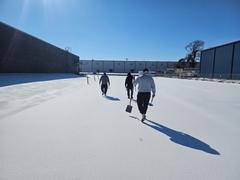
CAT winter storm response becomes mission-critical when severe winter weather strikes regions like Memphis and the Ark-La-Tex corridor. These areas are particularly vulnerable to cold snaps, ice storms, and freeze-related flooding that overwhelm infrastructure and trigger widespread property losses. When winter storms hit hard, the difference between manageable damage and catastrophic loss often comes down to how quickly a coordinated catastrophe response is deployed.
Winter storm losses are rarely isolated events. Frozen pipes burst across neighborhoods, fire suppression water compounds freeze damage, and prolonged power outages prevent drying. Contents inside homes and businesses, clothing, electronics, furniture, inventory, and operational assets, absorb moisture and contaminants rapidly, often sustaining damage long before structural repairs begin.
At CRDN Team Crouch, CAT winter storm response is designed to move fast, scale quickly, and protect contents across multiple properties simultaneously. Our role is to minimize loss severity, prevent secondary damage, and help communities stabilize faster after widespread winter events.
According to the Federal Emergency Management Agency (FEMA), winter storms frequently cause cascading impacts that extend well beyond initial weather conditions, making rapid, coordinated response essential.
CAT Winter Storm Response — Why Regional Speed and Scale Matter
CAT winter storm response is fundamentally different from single-property emergency response. When winter storms impact Memphis and the Ark-La-Tex region, losses occur across entire cities and counties at once. Restoration resources become strained, access is limited, and delays quickly escalate damage.
During regional winter catastrophes:
Multiple properties experience frozen pipe failures simultaneously
Fire incidents increase due to heating equipment use
Water damage spreads unchecked during power outages
Cold temperatures slow drying and remediation
The Insurance Information Institute (III) reports that winter storms generate some of the highest seasonal insurance claim volumes due to the combination of freezing temperatures and water intrusion.
CAT response is about being ready before demand peaks.
Why Memphis and Ark-La-Tex Are Especially Vulnerable to Winter CAT Events
Memphis and the Ark-La-Tex region face unique risks during winter storms.
These areas often experience:
Infrastructure not designed for prolonged freezing
Rapid temperature swings that accelerate pipe failures
Older plumbing systems prone to rupture
Widespread power outages that halt mitigation
When temperatures drop suddenly, pipes freeze faster, and thaw cycles release large volumes of water into structures.
According to the National Weather Service (NWS), sudden freezes following mild weather significantly increase the risk of burst pipes and interior flooding.
CRDN Team Crouch’s CAT winter storm response strategy accounts for these regional vulnerabilities.
How Winter CAT Events Create Compounding Losses
One of the defining characteristics of winter catastrophes is compounding damage.
After a winter storm:
Initial pipe breaks saturate contents
Freezing slows drying, trapping moisture
Thaw cycles cause repeated wetting
Mold growth accelerates once heat returns
The Environmental Protection Agency (EPA) explains that mold can begin growing within 24 to 48 hours of water exposure, particularly when moisture remains trapped, conditions common after winter storms.
Rapid CAT winter storm response interrupts this compounding damage before it spreads.
The Role of Rapid Contents Packouts During Winter CAT Response
A critical component of effective CAT winter storm response is deciding when contents must be removed immediately.
Rapid contents packouts:
Remove belongings from freezing, saturated environments
Allow controlled drying and restoration
Prevent cross-contamination between items
Reduce total claim severity
The Institute of Inspection Cleaning and Restoration Certification (IICRC) emphasizes that early removal and stabilization of contents significantly improves restoration outcomes, especially during large-scale loss events.
CRDN Team Crouch deploys trained packout teams quickly to protect contents before secondary damage sets in.
Fire Losses During Winter Storm CAT Events
Winter storms often coincide with an increase in fire losses.
Heating equipment failures, alternative heat sources, and power outages contribute to higher fire risk during cold weather. When fires occur during winter CAT events, water used for suppression freezes quickly, intensifying damage to contents.
According to the National Fire Protection Association (NFPA), fire suppression water damage frequently compounds total losses when mitigation is delayed.
CRDN Team Crouch responds rapidly after winter fire losses to stabilize contents before freeze-thaw cycles worsen the damage.
Frozen Pipes and Flooding: The Most Common Winter CAT Loss
Frozen pipes are the most widespread trigger for CAT winter storm response across Memphis and Ark-La-Tex.
When pipes rupture:
Water floods multiple rooms
Contents absorb moisture rapidly
Damage continues until water is shut off
The Centers for Disease Control and Prevention (CDC) warns that floodwater can contain contaminants that pose health risks if absorbed into porous materials.
Rapid packouts and controlled restoration environments are essential to protect contents after frozen pipe losses.
Why Secondary Damage Escalates During Winter CAT Events
Secondary damage often exceeds the original loss during winter catastrophes.
Secondary damage includes:
Mold growth after thaw
Corrosion of electronics
Odor reabsorption in textiles
Delamination of furniture and cabinetry
The National Association of Insurance Commissioners (NAIC) identifies delayed mitigation as a major driver of claim disputes and increased loss severity during large-scale events.
CRDN Team Crouch’s CAT winter storm response is designed specifically to prevent secondary damage escalation.
Storage and Logistics During Regional Winter CAT Response
Effective CAT winter storm response does not end with packout.
During regional events:
Storage facilities must be climate-controlled
Logistics must scale quickly
Chain of custody must remain intact
The Environmental Protection Agency (EPA) notes that porous materials readily absorb airborne contaminants, making controlled storage environments essential after water exposure.
CRDN Team Crouch coordinates secure, climate-controlled storage even during high-volume CAT events.
Insurance Coordination During Winter CAT Losses
Insurance carriers and adjusters face enormous pressure during winter CAT events.
They rely on restoration partners who can:
Document contents accurately
Mitigate losses quickly
Communicate clearly at scale
The Insurance Information Institute (III) reports that proactive mitigation during winter catastrophes significantly reduces overall claim costs.
CRDN Team Crouch aligns its CAT winter storm response with insurer expectations to support faster claim resolution.
Emotional and Community Impact of Rapid CAT Response
Winter CAT events disrupt entire communities.
Families face displacement during extreme cold, and businesses may be forced to shut down completely. Rapid CAT winter storm response helps stabilize communities by restoring essential belongings and operational assets sooner.
The American Psychological Association (APA) explains that minimizing disruption after disasters supports emotional resilience and recovery.
CRDN Team Crouch understands that CAT response is about people, not just property.
Why CRDN Team Crouch Leads CAT Winter Storm Response in the Region
CRDN Team Crouch’s leadership in CAT winter storm response comes from preparation, experience, and scale.
We understand:
Regional winter risk patterns
How to deploy rapidly across multiple sites
How to protect contents during freeze-thaw cycles
How to coordinate with insurers and contractors under pressure
Our ability to mobilize quickly across Memphis and the Ark-La-Tex region minimizes loss severity and accelerates recovery.
What Happens Without Rapid CAT Response
Without rapid CAT winter storm response:
Salvageable contents become total losses
Mold remediation requirements increase
Claim timelines extend
Community recovery slows
Many of these outcomes are preventable with immediate professional action.
CAT winter storm response is essential when winter storms hit hard across Memphis and the Ark-La-Tex region. Freezing temperatures, flooding, and infrastructure strain create ideal conditions for rapid damage escalation.
Through fast deployment, coordinated contents packouts, controlled storage, and disciplined restoration practices, CRDN Team Crouch minimizes losses, prevents secondary damage, and helps families and businesses recover faster after winter catastrophes.
?? Call CRDN Team Crouch at (903) 908-1919
?? Visit https://www.crdntx.com
CRDN — Ready when winter catastrophe strikes.
Categories
Recent Posts
-
September 15, 2026
Home Content Cleaning After Disaster: How Professional Contents Restoration Can Save What Matters Most
-
September 8, 2026
Fire Damage Restoration: A Complete Guide to Recovering Your Home and Belongings After a Fire
-
September 3, 2026
Clothing Restoration After Fire and Water Damage: How Professional Restoration Can Save Your Wardrobe