Why Immediate Winter Storm Response Is Critical After Fires, Frozen Pipes, and Water Damage
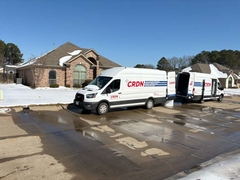
Winter storm response services are not just about reacting to cold weather, they are about preventing rapid, cascading damage after fires, frozen pipes, and water intrusions that occur during winter conditions. When temperatures drop, the margin for error becomes extremely small. Moisture behaves differently, drying times slow, and materials degrade faster, turning manageable losses into major restoration events if response is delayed.
For homeowners and businesses, winter storms create a perfect storm of risks: frozen plumbing systems, burst pipes, suppressed fires followed by water damage, and prolonged exposure to cold, damp environments. Without immediate professional intervention, contents and structures can suffer irreversible secondary damage.
At CRDN Team Crouch, winter storm response services are designed around speed, precision, and containment. Our role is to stop damage from spreading, inside properties and inside belongings, before freezing temperatures and moisture compound the loss.
According to the Federal Emergency Management Agency (FEMA), winter storms are among the most disruptive and costly disasters due to their ability to cause both immediate damage and prolonged secondary impacts.
Winter Storm Response Services — Why Speed Matters More in Cold Weather
Winter storm response services differ from standard emergency response because cold weather dramatically changes how damage progresses. Moisture lingers longer, materials become brittle, and drying processes are significantly slowed.
After fires, frozen pipes, or water damage during winter:
Water spreads farther before freezing
Ice expands inside walls, flooring, and contents
Thaw cycles cause repeated saturation
Mold growth accelerates once temperatures rise
The Insurance Information Institute (III) reports that winter-related water losses are one of the most common and expensive seasonal claims, largely due to delayed mitigation.
Immediate response is the difference between restoration and replacement.
Fires During Winter: Why Delayed Response Is Especially Dangerous
Fires during winter months present unique challenges.
After a fire is extinguished:
Fire suppression water saturates contents
Heat loss accelerates freezing
Smoke residues embed deeper as humidity fluctuates
If winter storm response services are delayed, moisture from firefighting efforts can freeze inside fabrics, furniture, and electronics. Once thawed, this trapped moisture leads to corrosion, odor absorption, and microbial growth.
According to the National Fire Protection Association (NFPA), fire-related water damage often contributes significantly to total loss severity when not addressed quickly, especially in cold conditions.
CRDN Team Crouch responds immediately after winter fires to stabilize contents before freeze-thaw cycles worsen the damage.
Frozen Pipes: A Rapid Escalation Risk
Frozen and burst pipes are one of the most common triggers for winter storm response services.
When pipes freeze and rupture:
Pressurized water releases rapidly
Flooding spreads behind walls and under floors
Contents absorb moisture before leaks are discovered
Once temperatures fluctuate, repeated freezing and thawing causes materials to break down faster than in warm-weather losses.
The Environmental Protection Agency (EPA) explains that mold can begin developing within 24 to 48 hours of water exposure, particularly when moisture remains trapped, an issue made worse by cold, poorly ventilated environments.
Rapid contents packouts are essential to stop this escalation.
Why Water Damage Is More Destructive in Winter
Water damage behaves differently in winter.
Cold air slows evaporation, meaning:
Drying takes longer
Moisture remains trapped in porous materials
Odors embed more deeply
Structural materials degrade over time
The Institute of Inspection Cleaning and Restoration Certification (IICRC) emphasizes that delayed drying and improper environmental control significantly increase loss severity, particularly during cold-weather events.
Winter storm response services must account for these factors immediately, not days later.
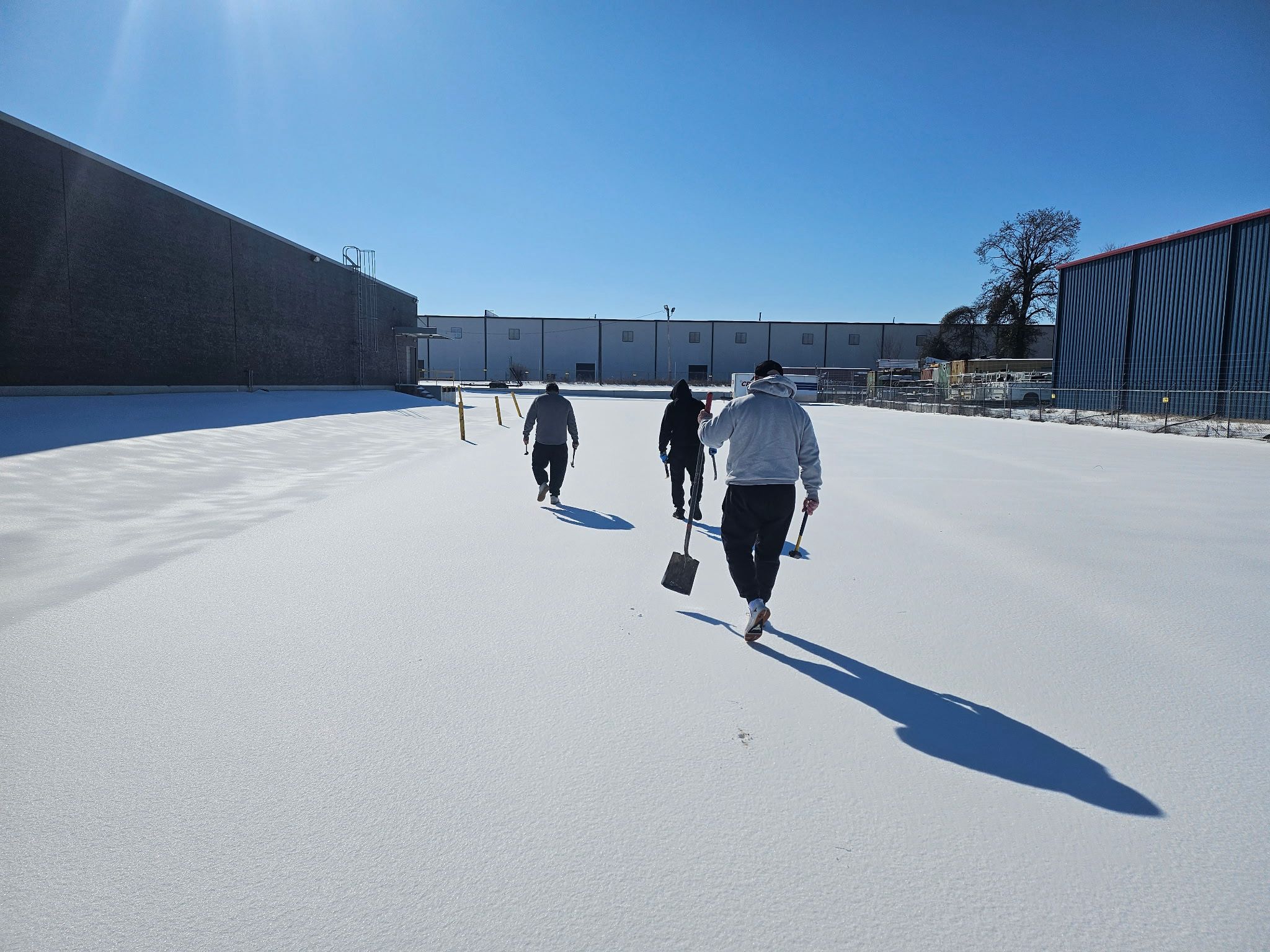
Secondary Damage: The Hidden Cost of Delayed Response
Secondary damage often exceeds the original loss.
During winter events, secondary damage includes:
Mold growth after thaw
Corrosion of electronics
Delamination of furniture and cabinetry
Odor reabsorption in textiles
Structural warping and cracking
The National Association of Insurance Commissioners (NAIC) identifies delayed mitigation as a major contributor to claim disputes and increased loss costs.
CRDN Team Crouch’s winter storm response services are designed specifically to prevent secondary damage before it begins.
Why Contents Are the Most Vulnerable During Winter Losses
While structural damage is visible, contents often suffer the most during winter events.
Contents at high risk include:
Clothing and textiles
Upholstered furniture
Electronics and appliances
Documents and paper goods
Business equipment and inventory
Cold temperatures cause materials to stiffen and absorb moisture unevenly, making restoration more complex if response is delayed.
The Centers for Disease Control and Prevention (CDC) warns that water-damaged materials can harbor contaminants and microorganisms if not removed and treated promptly.
Immediate contents removal and stabilization is a cornerstone of effective winter storm response services.
The Role of Rapid Contents Packouts
One of the most effective tools in winter storm response services is rapid contents packout.
Early packouts:
Remove contents from freezing environments
Allow controlled drying and cleaning
Prevent cross-contamination
Reduce restoration timelines
Protect insurance outcomes
The Insurance Information Institute (III) notes that proactive mitigation efforts significantly reduce overall claim severity during winter losses.
CRDN Team Crouch evaluates packout needs quickly to protect both property owners and insurers.
Storage Conditions Matter More in Winter
Improper storage after packout can undo even the best emergency response.
During winter:
Unheated storage causes condensation
Temperature swings encourage mold
High humidity damages contents
The Environmental Protection Agency (EPA) explains that porous materials readily absorb airborne contaminants, making climate-controlled storage essential after water exposure.
CRDN Team Crouch uses secure, climate-controlled storage designed specifically for winter loss conditions.
Insurance Implications of Delayed Winter Response
From an insurance perspective, delayed winter storm response services increase:
Total claim value
Replacement costs
Disputes over mitigation
Claim resolution time
The National Association of Insurance Commissioners (NAIC) stresses that policyholders have a duty to mitigate damage, and delays can complicate coverage determinations.
CRDN Team Crouch supports policyholders by acting quickly and documenting mitigation efforts clearly.
Emotional and Operational Impact on Families and Businesses
Winter losses are emotionally and operationally disruptive.
For families, delays mean extended displacement and loss of essential items. For businesses, winter shutdowns combined with water damage can halt operations entirely.
The American Psychological Association (APA) explains that minimizing disruption after disasters supports emotional resilience and recovery.
Immediate winter storm response services help people regain stability faster.
Why CRDN Team Crouch Leads in Winter Storm Response
CRDN Team Crouch’s leadership in winter storm response services comes from preparation and expertise.
We understand:
How winter conditions accelerate damage
When immediate packouts are necessary
How to control moisture in cold environments
How to coordinate with insurance and contractors
Our approach protects contents, supports claims, and reduces long-term impact.
What Happens When Response Is Delayed
Delayed winter storm response services often lead to:
Total loss of salvageable contents
Mold remediation requirements
Higher insurance deductibles
Longer displacement
Many of these outcomes are preventable with immediate professional intervention.
Winter storm response services are critical after fires, frozen pipes, and water damage because winter conditions accelerate loss severity and secondary damage.
Immediate response protects contents, limits mold and corrosion, supports insurance outcomes, and shortens recovery timelines. Delays allow damage to compound, often beyond repair.
CRDN Team Crouch delivers rapid, disciplined winter storm response services designed to stop damage before it spreads and help families and businesses recover faster.
?? Call CRDN Team Crouch at (903) 908-1919
?? Visit https://www.crdntx.com
CRDN — Ready before winter damage takes hold.
Categories
Recent Posts
-
September 15, 2026
Home Content Cleaning After Disaster: How Professional Contents Restoration Can Save What Matters Most
-
September 8, 2026
Fire Damage Restoration: A Complete Guide to Recovering Your Home and Belongings After a Fire
-
September 3, 2026
Clothing Restoration After Fire and Water Damage: How Professional Restoration Can Save Your Wardrobe