Winter Storm Emergency Response: How Rapid Contents Packouts Prevent Further Damage During Freezes and Flooding
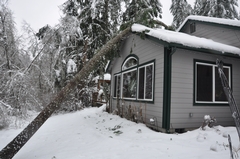
Winter storm emergency response is one of the most time-sensitive forms of disaster recovery, yet it is often underestimated until damage has already escalated. Freezing temperatures, burst pipes, ice dams, and rapid thaw cycles can turn a minor issue into a widespread loss within hours. While structural damage is often the most visible result, the greatest financial and emotional losses frequently occur inside the property, affecting clothing, furniture, electronics, documents, and other personal or operational contents.
For homeowners and businesses, the window to prevent further damage during winter storms is extremely narrow. Delays in response can lead to secondary damage such as mold growth, corrosion, odor absorption, and material breakdown. This is where rapid contents packouts play a critical role.
At CRDN Team Crouch, winter storm emergency response is built around speed, control, and precision. Our focus is not just stabilizing structures, but protecting what’s inside before freezing and flooding conditions cause irreversible harm.
According to the Federal Emergency Management Agency (FEMA), winter storms are among the most costly natural disasters due to their ability to cause both immediate and cascading damage when water intrusion and freezing temperatures combine.
Winter Storm Emergency Response — Why Contents Are at High Risk
Winter storm emergency response must account for the unique way cold weather disasters damage contents. Unlike fires or isolated plumbing failures, winter storms often involve prolonged exposure to moisture, fluctuating temperatures, and limited access to affected areas.
During freezes and flooding, contents are exposed to:
Burst pipes releasing pressurized water
Ice dams forcing water behind walls and ceilings
Rapid thaw cycles increasing moisture spread
Loss of heat accelerating damage progression
The Insurance Information Institute (III) reports that freezing-related water damage is one of the most common and expensive winter loss categories, often impacting entire structures and their contents simultaneously.
Without rapid intervention, contents that could have been restored become total losses.
How Freezing Temperatures Accelerate Secondary Damage
One of the most dangerous aspects of winter storm losses is how quickly secondary damage develops.
When water freezes inside structures:
Pipes burst and continue leaking once thawed
Wet materials remain saturated longer due to cold air
Drying timelines are extended
Mold growth accelerates once temperatures rise
The Environmental Protection Agency (EPA) explains that mold can begin growing within 24–48 hours of water exposure, especially when moisture remains trapped in materials.
Rapid contents packouts interrupt this process by removing vulnerable items from the environment before damage compounds.
Why Rapid Contents Packouts Are Essential During Winter Storms
A core component of effective winter storm emergency response is deciding when contents must be removed immediately rather than left in place.
Rapid contents packouts:
Prevent prolonged moisture exposure
Stop freeze-thaw deterioration
Reduce odor absorption
Protect electronics from corrosion
Limit mold and microbial growth
The Institute of Inspection Cleaning and Restoration Certification (IICRC) emphasizes that early removal and stabilization of contents significantly reduces loss severity and improves restoration success.
CRDN Team Crouch uses this principle to guide every winter storm response.
The Hidden Risk of Leaving Contents in Freezing Structures
Many property owners hesitate to approve packouts during winter storms, assuming items are safer left indoors. In reality, freezing structures often create the most hazardous conditions for contents.
Risks include:
Frozen water expanding inside fabrics and furnishings
Electronics damaged by condensation during thaw
Paper goods and documents becoming brittle
Odors embedding deeper as materials absorb contaminants
According to the National Fire Protection Association (NFPA), winter weather events frequently lead to secondary losses when materials are exposed to uncontrolled temperature changes.
Removing contents early prevents these hidden forms of damage.
Flooding During Winter Storms and Its Impact on Contents
Flooding during winter storms presents additional challenges.
When snow melts rapidly or frozen ground prevents absorption:
Water spreads faster and farther
Contamination levels increase
Contents absorb pollutants and debris
The Centers for Disease Control and Prevention (CDC) warns that floodwater often contains contaminants that pose health risks if absorbed into porous materials.
Rapid packouts allow contents to be cleaned, sanitized, and evaluated in controlled environments rather than remaining exposed to contaminated water.
How Poorly Timed Packouts Increase Loss Severity
Delays in packout during winter storm emergency response often result in:
Expanded mold growth
Increased restoration costs
Longer displacement periods
Higher insurance claim values
The National Association of Insurance Commissioners (NAIC) identifies delayed mitigation as a leading factor in claim disputes and increased loss severity.
CRDN Team Crouch prioritizes early packout decisions to protect both policyholders and insurers from avoidable escalation.
CRDN Team Crouch’s Winter Storm Packout Strategy
CRDN Team Crouch approaches winter storm emergency response with a structured strategy designed to move quickly without sacrificing accuracy.
Our process includes:
Immediate assessment of freeze and flood impact
Prioritization of high-risk contents
Detailed documentation before removal
Secure, climate-controlled transport
Chain-of-custody tracking from packout to pack-back
This disciplined approach ensures that speed does not come at the expense of accountability.
Protecting Electronics and Appliances During Winter Losses
Electronics are particularly vulnerable during winter storms.
Water exposure combined with freezing temperatures accelerates internal corrosion, even if devices appear dry externally. The National Institute of Standards and Technology (NIST) explains that moisture trapped inside electronics can cause delayed failures long after initial exposure.
CRDN Team Crouch removes and stabilizes electronics quickly, preventing irreversible secondary damage.
Storage Conditions Matter After Winter Packouts
Another critical element of winter storm emergency response is what happens after contents are removed.
Improper storage can undo the benefits of a rapid packout.
Risks increase when items are stored:
In unheated facilities
Without humidity control
Near construction debris
The Environmental Protection Agency (EPA) notes that porous materials readily absorb airborne contaminants, making controlled storage essential after water and freeze events.
CRDN Team Crouch uses secure, climate-controlled storage designed specifically for restored contents.
Insurance Benefits of Rapid Winter Storm Response
From an insurance perspective, rapid contents packouts during winter storm emergency response:
Reduce total claim costs
Limit replacement expenses
Support defensible restoration decisions
Shorten claim timelines
The Insurance Information Institute (III) reports that proactive mitigation significantly lowers overall winter storm claim severity.
CRDN Team Crouch’s documentation and packout protocols align with what adjusters expect during complex winter losses.
Emotional and Operational Stability for Families and Businesses
Beyond financial protection, rapid contents packouts provide emotional and operational stability.
For families, saving clothing, bedding, and personal items reduces displacement stress. For businesses, protecting uniforms, electronics, and operational assets supports faster reopening.
The American Psychological Association (APA) explains that minimizing disruption after disasters supports emotional recovery and resilience.
CRDN Team Crouch understands that winter storm emergency response is about people, not just property.
Why CRDN Team Crouch Is a Leader in Winter Storm Emergency Response
CRDN Team Crouch’s leadership in winter storm emergency response comes from preparation, training, and experience.
We understand:
How quickly freeze-related losses escalate
When contents must be removed immediately
How to prevent secondary damage during thaw cycles
How to coordinate packouts with insurance and reconstruction
This expertise allows us to protect what matters most, even in the harshest conditions.
Winter storm emergency response demands speed, expertise, and decisive action. Freezes and flooding can destroy contents just as quickly as fire, and delays often turn salvageable items into total losses.
Rapid contents packouts are one of the most effective tools for preventing further damage during winter storms. By removing, stabilizing, and protecting contents early, CRDN Team Crouch helps homeowners and businesses reduce loss severity, protect insurance outcomes, and recover faster.
?? Call CRDN Team Crouch at (903) 908-1919
?? Visit https://www.crdntx.com
CRDN — Ready when winter strikes hardest.
Categories
Recent Posts
-
September 15, 2026
Home Content Cleaning After Disaster: How Professional Contents Restoration Can Save What Matters Most
-
September 8, 2026
Fire Damage Restoration: A Complete Guide to Recovering Your Home and Belongings After a Fire
-
September 3, 2026
Clothing Restoration After Fire and Water Damage: How Professional Restoration Can Save Your Wardrobe