Sculptor Restoration After Disaster: How Experts Preserve, Repair, and Protect Damaged Sculptures
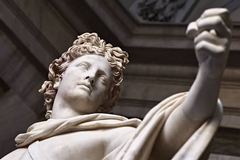
Sculptor restoration is a specialized conservation process focused on protecting, stabilizing, cleaning, repairing, and preserving sculptures damaged by fire, smoke, water, storms, environmental exposure, accidents, or improper handling. Unlike ordinary cleaning or repair, professional sculptor restoration must consider the sculpture's material, construction, surface finish, artistic intent, historical significance, and long-term preservation requirements.
A sculpture can represent far more than an expensive object. It may be a commissioned work, a family heirloom, a public artwork, a museum-quality piece, or an irreplaceable representation of an artist's creative work. When disaster strikes, the objective should not simply be to make the sculpture look better. The goal is to carefully stabilize and preserve as much of the original material and artistic character as possible.
This is why professional restoration expertise matters.
At CRDN Team Crouch, we understand that valuable artwork requires a different level of care from ordinary household contents. Our contents restoration capabilities include specialized art restoration coordination, documentation, inventory management, packout, secure storage, and disaster recovery support. When a sculpture has been affected by a property loss, we help establish a controlled process for protecting the artwork and determining the appropriate restoration pathway.
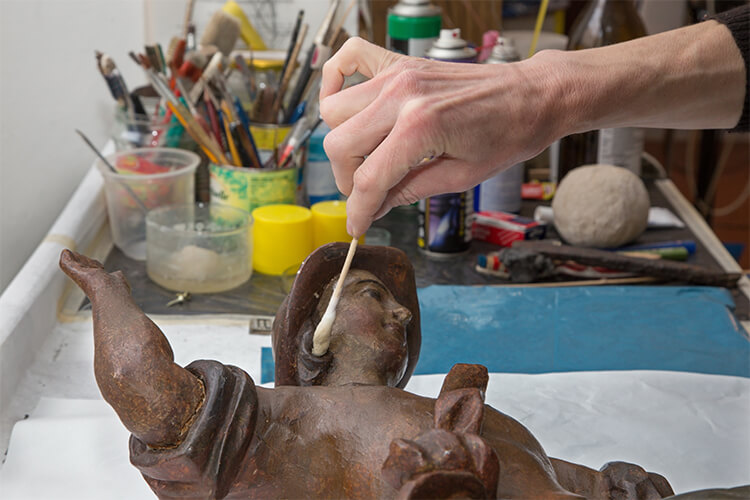
Sculptor Restoration: What Does It Involve?
Sculptor restoration involves the professional assessment, stabilization, cleaning, repair, and preservation of a damaged sculpture while attempting to maintain its original character and integrity.
The process can vary dramatically depending on the sculpture.
A bronze sculpture exposed to smoke requires a different approach from a marble sculpture affected by flooding. A wooden sculpture exposed to high humidity presents different risks from a ceramic sculpture damaged during a building fire.
Professional restoration therefore begins with assessment rather than aggressive cleaning.
A restoration specialist may evaluate:
- Sculpture material
- Construction method
- Surface coatings
- Existing damage
- Previous repairs
- Environmental exposure
- Smoke and soot contamination
- Water exposure
- Corrosion
- Structural instability
- Mold or biological contamination
- Artistic and historical significance
The goal is to determine what happened, what is currently happening to the artwork, and what must be done to prevent additional deterioration.
Why Sculptures Require Specialized Restoration
Sculptures can contain multiple materials and construction techniques.
A single piece may combine:
- Stone
- Metal
- Wood
- Ceramic
- Plaster
- Paint
- Resin
- Fabric
- Glass
- Mixed media
Each material responds differently to heat, water, humidity, chemicals, and physical impact.
For example, water may cause swelling in wood, corrosion in metals, staining in porous stone, and structural weakening in some composite materials.
Fire introduces another layer of complexity.
High temperatures can alter finishes, crack materials, weaken adhesives, and cause thermal shock. Smoke and soot can then settle across the sculpture's surface and enter porous areas.
The Smithsonian Institution emphasizes that preventive conservation and environmental control are critical components of protecting cultural objects and collections.
This is why professional sculptor restoration should be approached as conservation-oriented work rather than ordinary cleaning.
How Fire Damage Affects Sculptures
Fire can damage sculptures directly and indirectly.
Direct heat exposure may cause:
- Cracking
- Discoloration
- Surface blistering
- Structural weakening
- Warping
- Melting
- Loss of coatings
- Separation of components
However, even sculptures located away from the flames can experience significant smoke and soot contamination.
Smoke particles can settle on:
- Surface details
- Crevices
- Textured areas
- Protective coatings
- Porous materials
Some residues may also be chemically reactive.
This makes fire damaged sculpture restoration a specialized process requiring careful documentation and material-specific treatment.
A restoration professional should avoid immediately scrubbing soot from a valuable sculpture. Aggressive cleaning can remove original finishes or push contaminants deeper into porous surfaces.
Instead, the sculpture should first be documented and evaluated.
Smoke Damage and Sculptor Restoration
Smoke damage is often underestimated because the sculpture may remain physically intact.
However, smoke can cause:
- Persistent odor
- Surface discoloration
- Soot deposits
- Chemical contamination
- Coating deterioration
- Corrosion of metallic components
Professional smoke damage restoration for sculptures typically begins with controlled removal of loose contaminants.
Depending on the material, restoration specialists may use techniques such as:
- Dry surface cleaning
- Specialized vacuuming
- Soft brushes
- Controlled chemical cleaning
- Deodorization
- Surface stabilization
The correct method depends entirely on the sculpture's material and finish.
A technique that is appropriate for an unfinished bronze sculpture may be completely inappropriate for a painted or varnished surface.
Water Damage and Sculpture Restoration
Water damage can be particularly complicated because the visible water may disappear long before the underlying damage does.
Professional water damaged sculpture restoration may address:
- Water staining
- Mineral deposits
- Corrosion
- Mold
- Swelling
- Cracking
- Delamination
- Structural instability
Floodwater introduces additional concerns because it can contain contaminants, sediment, chemicals, and biological hazards.
The restoration process must therefore address both moisture and contamination.
The U.S. Environmental Protection Agency (EPA) notes that controlling moisture is fundamental to preventing mold growth and recommends prompt drying of wet materials.
For sculptures, this reinforces an important principle: rapid stabilization can be critical to long-term preservation.
Environmental Damage Can Be Just as Serious
Not every sculpture disaster involves fire or flooding.
Long-term environmental exposure can gradually damage valuable artwork.
Potential threats include:
- Excess humidity
- Temperature fluctuations
- Direct sunlight
- UV exposure
- Air pollution
- Salt exposure
- Dust
- Biological growth
- Improper storage
Outdoor sculptures can be particularly vulnerable.
Metal sculptures may develop corrosion. Stone can experience staining and surface deterioration. Painted surfaces may fade or deteriorate under prolonged UV exposure.
Professional sculpture conservation and restoration therefore considers both the immediate damage and the environment in which the artwork will ultimately be displayed or stored.
Common Sculpture Materials and Their Restoration Challenges
Bronze Sculpture Restoration
Bronze is durable, but it is not immune to environmental damage.
Potential problems include:
- Oxidation
- Corrosion
- Surface contamination
- Patina alteration
- Chemical residues
One of the most important considerations in bronze sculpture restoration is preserving the existing patina when it forms part of the artwork's character.
Removing all oxidation or discoloration may actually damage the sculpture's historical appearance.
Marble and Stone Sculpture Restoration
Stone sculptures may absorb water and contaminants through their porous surfaces.
Restoration may address:
- Water stains
- Dirt
- Biological growth
- Cracks
- Surface erosion
- Mineral deposits
Cleaning must be carefully controlled because excessive pressure or inappropriate chemicals can damage stone surfaces.
Wooden Sculpture Restoration
Wood is especially sensitive to moisture.
Water exposure can result in:
- Swelling
- Warping
- Cracking
- Mold
- Structural movement
Professional wood sculpture restoration may require controlled drying and stabilization before cosmetic restoration can even begin.
Ceramic and Porcelain Sculpture Restoration
Ceramic sculptures can be vulnerable to impact and thermal shock.
Fire or physical damage may result in:
- Cracks
- Chips
- Breaks
- Glaze damage
- Fragmentation
Restoration may involve careful stabilization and reconstruction of damaged sections while preserving as much original material as possible.
Mixed-Media Sculpture Restoration
Mixed-media sculptures present some of the most complex restoration challenges.
Different materials may respond differently to the same environmental conditions.
Professional mixed-media art restoration therefore requires a highly controlled approach that considers how each component interacts with the others.
The Professional Sculptor Restoration Process
Professional sculptor restoration should follow a structured process.
1. Initial Assessment
The restoration team documents the sculpture's condition before intervention.
Photography and detailed notes establish a baseline record.
2. Damage Classification
Damage is categorized according to its source and severity.
This may include:
- Fire
- Smoke
- Water
- Storm
- Impact
- Environmental exposure
- Biological contamination
3. Stabilization
The first priority is preventing further deterioration.
This may involve controlled handling, environmental stabilization, temporary supports, or specialized packaging.
4. Cleaning
Only after assessment and stabilization should appropriate cleaning techniques be selected.
5. Repair
Structural damage may require specialized conservation or restoration expertise.
6. Final Treatment
Surface finishing, protective coatings, or other appropriate treatments may be applied depending on the sculpture.
7. Documentation
The completed restoration should be documented for future reference.
This creates an important historical record of what was done and why.
Why Documentation Matters in Sculpture Restoration
Documentation is especially important for valuable artwork.
A professional art restoration documentation package may include:
- Before photographs
- Damage assessment
- Treatment recommendations
- Restoration photographs
- Material information
- Condition reports
- Final photographs
For insurance claims, documentation can also help establish the condition of the artwork before and after treatment.
CRDN Team Crouch incorporates detailed contents documentation into the disaster restoration process, helping provide accountability from initial packout through final return.
Sculpture Packout After a Disaster
A damaged sculpture should never be treated like an ordinary household item.
Professional artwork packout services require specialized handling.
Depending on the sculpture, this may include:
- Protective wrapping
- Custom cushioning
- Stabilization
- Specialty crates
- Controlled transportation
- Secure storage
The objective is to prevent additional physical damage during removal and transportation.
At CRDN Team Crouch, valuable contents are carefully inventoried and tracked throughout the restoration process.
Climate-Controlled Storage for Sculptures
Following a major disaster, structural repairs may take weeks or months.
During this time, valuable sculptures may need secure climate-controlled art storage.
Environmental stability can help protect against:
- Humidity fluctuations
- Extreme temperatures
- Dust
- Construction debris
- Unauthorized handling
- Additional moisture exposure
The storage environment should be appropriate for the specific materials involved.
This is particularly important for mixed-media artwork, wood, textiles, paper-based components, and other moisture-sensitive materials.
Insurance and Sculptor Restoration
Insurance claims involving valuable sculptures require careful documentation.
Property owners and insurance professionals may need information about:
- Original condition
- Damage sustained
- Restoration feasibility
- Treatment recommendations
- Estimated restoration costs
- Storage
- Transportation
- Final condition
CRDN Team Crouch helps organize the contents side of disaster recovery through professional inventory, documentation, packout, storage, and restoration coordination.
Our goal is to make the restoration process as transparent as possible while helping clients and insurance professionals understand what can be recovered.
Why Professional Restoration Is Better Than Replacement
Replacing a sculpture may not always be possible.
A commissioned sculpture, historical artwork, family heirloom, or unique piece may have no true replacement.
Professional sculptor restoration offers the opportunity to preserve:
- Original materials
- Artistic details
- Historical character
- Sentimental value
- Financial value
Restoration can also reduce unnecessary disposal and replacement.
The American Institute for Conservation (AIC) provides professional resources and ethical guidance for conservation and restoration practices, emphasizing responsible treatment and preservation of cultural property.
This reinforces the importance of using qualified professionals when valuable artwork has suffered disaster-related damage.
Common Mistakes to Avoid After Sculpture Damage
Do Not Scrub the Surface
Aggressive cleaning may permanently remove original finishes.
Do Not Apply Household Chemicals
Cleaning products designed for ordinary surfaces may damage stone, metal, paint, coatings, or mixed-media components.
Do Not Leave Wet Sculptures in an Uncontrolled Environment
Humidity can contribute to mold, corrosion, and material deterioration.
Do Not Move Heavy Sculptures Without Proper Equipment
Improper handling can turn existing damage into structural damage.
Do Not Assume the Sculpture Is a Total Loss
A professional assessment may reveal restoration opportunities that are not obvious to the untrained eye.
How CRDN Team Crouch Approaches Sculpture Restoration
CRDN Team Crouch understands that artwork restoration requires a different level of care from conventional contents cleaning.
Our approach focuses on:
Assessing → Documenting → Protecting → Stabilizing → Restoring → Returning
Our contents restoration capabilities include:
- Sculpture restoration coordination
- Fine art restoration
- Artwork packout
- Contents inventory
- Fire damage contents restoration
- Water damage contents restoration
- Smoke damage restoration
- Climate-controlled storage
- Insurance documentation
- Contents cleaning and restoration
- Pack-back services
When a sculpture is damaged during a property loss, our role is to help ensure it receives appropriate handling from the moment it is identified through the restoration and return process.
Frequently Asked Questions About Sculptor Restoration
What is sculptor restoration?
Sculptor restoration is the professional process of assessing, stabilizing, cleaning, repairing, and preserving damaged sculptures while maintaining their original character and material integrity whenever possible.
Can a smoke-damaged sculpture be restored?
Often, yes. The appropriate approach depends on the sculpture's material, finish, severity of contamination, and exposure.
Can water-damaged sculptures be saved?
Many can. Rapid stabilization and professional assessment can help prevent secondary damage such as corrosion, mold, staining, and structural deterioration.
How much does sculpture restoration cost?
Costs vary significantly depending on the sculpture's size, material, value, damage severity, treatment requirements, transportation, and restoration complexity. A professional assessment is necessary before an accurate estimate can be provided.
Should I clean a damaged sculpture myself?
It is generally best to avoid aggressive DIY cleaning of valuable artwork. Improper cleaning can permanently alter surfaces and finishes.
How should a sculpture be stored after disaster damage?
A damaged sculpture should be protected in an appropriate, secure environment with environmental conditions suitable for its material. Climate-controlled storage may be appropriate for many valuable artworks.
A damaged sculpture is not necessarily a lost sculpture.
Professional sculptor restoration provides a structured approach to preserving valuable artwork after fire, smoke, water, storms, accidents, and environmental exposure. From the initial assessment and documentation to specialized cleaning, stabilization, secure storage, and final restoration, every step should be carefully considered.
At CRDN Team Crouch, we recognize that sculptures can represent significant financial investments, artistic achievements, family histories, and irreplaceable memories. That is why we approach artwork affected by disaster with the same level of care, accountability, and professionalism that we bring to every contents restoration project.
Our role extends beyond simply moving damaged artwork. We help document it, protect it, coordinate appropriate restoration, maintain secure storage, and support the insurance recovery process.
If a valuable sculpture has been affected by fire, smoke, water, storm damage, or environmental exposure, do not assume it must be discarded or replaced.
Professional evaluation may reveal restoration possibilities that are not immediately visible.
Contact CRDN Team Crouch to discuss the next steps for protecting and recovering your valuable artwork.
Call CRDN Team Crouch: (903) 908-1919
Visit: www.crdntx.com
CRDN Team Crouch — Restoring More Than Property. Preserving Art. Protecting What Matters.
Categories
Recent Posts
-
October 15, 2026
Insurance Packout: How Professional Contents Restoration Protects Your Belongings During an Insurance Claim
-
October 13, 2026
Items Affected by Fire and Water Damage: What Can Be Restored and What Must Be Replaced?
-
October 8, 2026
Fire Damage Restoration: How Professional Restoration Can Save Your Home and Belongings After a Fire