Insurance Packout: How Professional Contents Restoration Protects Your Belongings During an Insurance Claim
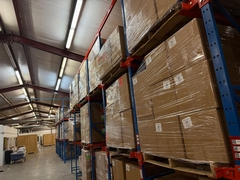
Insurance packout is an essential part of property recovery after a fire, water leak, storm, or other disaster. When a home or business suffers significant damage, personal belongings may need to be carefully removed, documented, cleaned, restored, and stored while the property undergoes repairs.
For homeowners and business owners, this process can feel overwhelming. Beyond dealing with the physical damage, there are insurance questions, damaged possessions, documentation requirements, and decisions about what can be saved and what needs to be replaced.
That is where professional insurance packout services become valuable.
An insurance packout is more than moving belongings out of a damaged property. It is a structured contents recovery process designed to protect possessions, maintain an organized inventory, support restoration activities, and document the handling of items throughout the recovery process.
At CRDN Team Crouch, we understand that the contents of a property represent more than furniture and household items. They include clothing, electronics, artwork, photographs, important documents, business equipment, and personal possessions that may be difficult or impossible to replace.
Our contents-focused approach emphasizes a fundamental principle: evaluate what can be restored before assuming everything must be replaced.
In this guide, we explain how insurance packout works, why contents inventory matters, how professional restoration protects belongings, and what homeowners and businesses should know when navigating the contents portion of an insurance claim.
Insurance Packout: What Is It and Why Does It Matter?
Insurance packout is the organized process of documenting, packing, removing, transporting, and protecting belongings from a property affected by damage.
The purpose is to remove contents from conditions that could cause further damage, allow appropriate cleaning and restoration, and maintain a documented record of the items throughout the process.
Insurance packout may be necessary after:
- Residential fires
- Commercial fires
- Water leaks
- Burst pipes
- Flooding
- Smoke damage
- Storm damage
- Other property losses requiring extensive restoration
For example, after a house fire, furniture and clothing may be contaminated by smoke and soot even if they were not directly exposed to flames. After a water loss, electronics, documents, and upholstered furniture may need to be removed from a damp environment before additional deterioration occurs.
A professional packout helps organize the recovery process by separating affected contents from the damaged property.
What Does an Insurance Packout Include?
Depending on the circumstances, professional insurance packout services can include:
- Initial contents assessment
- Photography and documentation
- Detailed contents inventory
- Categorization of belongings
- Professional packing
- Transportation to an appropriate facility
- Cleaning and contents restoration
- Storage when necessary
- Tracking and documentation throughout restoration
- Pack-back after the property is ready
Not every claim requires every stage. The scope depends on the extent of damage, the condition of the contents, and the restoration plan.
The important distinction is that a professional packout is not simply a moving service. It is part of a broader contents restoration process.
How the Insurance Packout Process Works
Understanding the insurance packout process helps homeowners and businesses know what to expect after a disaster.
Although every loss is different, a typical process follows several stages.
Step 1: Damage Assessment
The process begins with an evaluation of the affected property and its contents.
Restoration professionals identify the type of damage, assess the condition of belongings, and determine which items may need to be removed.
The assessment may consider:
- Fire and heat exposure
- Smoke and soot contamination
- Water exposure
- Visible staining
- Odor
- Structural damage
- Environmental conditions
- Potential for further deterioration
This initial assessment helps establish priorities and identify belongings requiring specialized handling.
Step 2: Contents Inventory and Documentation
A detailed contents inventory is one of the most important parts of a professional packout.
When a disaster affects a home or business, it can be difficult to remember every item that was present, especially when hundreds or thousands of possessions are involved.
Inventory documentation may include:
- Item descriptions
- Quantities
- Photographs
- Condition
- Location
- Damage category
- Restoration status
This documentation helps establish a record of the contents being handled.
It can also support communication between the property owner, restoration company, and insurance professionals.
Step 3: Packing and Labeling
Once the contents have been documented and categorized, items selected for removal are packed appropriately.
Different materials require different handling methods.
For example, clothing may require different packaging from electronics, artwork, glassware, or important documents.
Proper labeling and tracking help maintain organization throughout the process and reduce confusion when belongings are returned.
Step 4: Transportation
After packing, contents are transported to an appropriate restoration or storage facility.
The objective is to protect the items from additional exposure while preparing them for evaluation, cleaning, restoration, or storage.
Transportation arrangements should reflect the type, condition, and handling requirements of the belongings.
Step 5: Contents Cleaning and Restoration
Following the packout, eligible items may undergo professional contents cleaning and restoration.
The appropriate process depends on the material and the type of damage.
For example:
- Smoke-damaged clothing may require specialized textile cleaning.
- Furniture affected by soot may require material-specific cleaning.
- Water-damaged documents may require specialized recovery methods.
- Electronics exposed to smoke or moisture may require professional evaluation.
- Artwork and collectibles may require careful handling and specialized treatment.
Not every item can be restored, and restoration should not be attempted without considering the condition of the material and the nature of the contamination.
Step 6: Storage
When the property is undergoing repairs, restored or pending-restoration contents may need to remain in storage.
Climate-controlled storage, when appropriate for the items involved, can help protect belongings from damaging environmental conditions while work continues at the property.
Step 7: Pack-Back
Once the property is ready and the contents restoration process is complete, belongings can be returned.
Pack-back services involve transporting restored contents to the property and placing them in the appropriate locations.
This final stage completes the contents recovery process.
Why Contents Packout Services Are Important After Property Damage
After a major disaster, leaving belongings inside the property may expose them to additional risks.
Smoke residue, soot, moisture, construction dust, and ongoing restoration work can affect contents that might otherwise have been recoverable.
Professional contents packout services help address these risks by removing affected belongings when appropriate.
Preventing Additional Damage
A fire-damaged property may continue to expose belongings to soot and smoke residue. A water-damaged property may contain excessive moisture that contributes to further deterioration.
Removing contents can help separate them from these conditions while the property is being restored.
Creating a More Organized Restoration Process
Structural restoration often requires access to floors, walls, ceilings, and other building components.
Removing furniture and household contents can make it easier for contractors to perform necessary work.
Protecting Valuable and Sentimental Items
Some belongings have substantial financial value. Others have personal significance that cannot be measured in monetary terms.
Professional packout provides an opportunity to document and protect these items rather than leaving them in a damaged environment.
Supporting Better Documentation
A documented inventory helps establish which items were removed and how they progress through the restoration process.
This can be particularly useful when the contents portion of an insurance claim involves a large number of belongings.
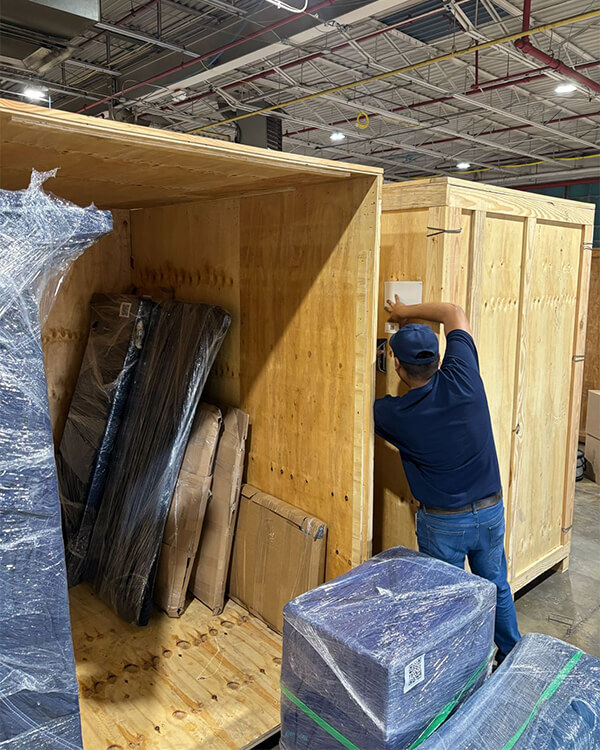
How Insurance Packout Supports the Insurance Claim Process
An insurance claim can involve several stakeholders, including the property owner, insurance company, adjuster, contractors, and restoration professionals.
Each party may need information about the damage and the recovery process.
Professional insurance packout services can help organize the contents-related information.
Depending on the project, documentation may include:
- Contents inventories
- Photographs
- Condition records
- Packout documentation
- Cleaning and restoration records
- Storage records
- Item status updates
- Information about items that may require replacement
This information can help create a clearer record of what happened to the belongings and what actions were taken during restoration.
The Insurance Information Institute provides consumer guidance on documenting property damage and preparing for insurance claims. Its resource on filing a homeowners insurance claim explains the importance of documenting losses and working with the insurance company.
The key point is that good documentation supports the claims process, but it does not guarantee coverage.
The insurance policy, applicable exclusions and limits, deductibles, and the insurer's determination govern whether particular costs or losses are covered.
A restoration company can document and manage restoration activities, but it does not independently decide what an insurance policy will pay.
The Importance of Contents Inventory and Insurance Claim Documentation
A detailed contents inventory provides a structured record of the belongings involved in a loss.
Without an organized inventory, it can become difficult to track individual items, especially when contents are packed, transported, cleaned, stored, and returned over an extended period.
An effective inventory can help answer several important questions:
- What items were present?
- Which belongings were affected?
- What condition were they in?
- Which items were removed?
- Which items were cleaned or restored?
- Which belongings remain in storage?
- Which items may require replacement?
This information can also support insurance claim documentation.
For homeowners, the inventory can help organize personal belongings and identify items requiring further attention.
For businesses, it can help document equipment, furnishings, records, and other assets affected by a property loss.
The more organized the contents recovery process is, the easier it becomes to track the status of belongings throughout restoration.
What Happens to Belongings During an Insurance Packout?
One of the most common concerns homeowners have is what actually happens to their belongings after they leave the property.
The answer depends on the condition of each item.
Some belongings may need cleaning. Others may require specialized restoration or additional assessment. Certain items may be suitable for storage without extensive treatment, while others may be beyond recovery.
Clothing and Textiles
Smoke, soot, and water can affect clothing, curtains, bedding, rugs, and upholstered materials.
Professional textile restoration evaluates the material and damage before selecting an appropriate treatment method.
Furniture
Furniture may require cleaning, deodorization, or other restoration procedures depending on the material and extent of damage.
Wood, leather, and upholstered furniture do not necessarily respond to the same cleaning methods.
Electronics
Electronics exposed to water, soot, or heat should be professionally evaluated before being powered on or returned to service.
Some devices may be restorable, while others may require replacement.
Documents and Photographs
Important documents, photographs, and books may require specialized handling.
Their recovery potential depends on the type of damage and the condition of the materials.
Artwork and Collectibles
Artwork, antiques, and collectibles may require specialized care to avoid additional damage during cleaning or transportation.
This is why professional contents restoration emphasizes assessment and material-specific handling rather than applying a single process to every item.
Fire Damage and Water Damage Packout: What Is the Difference?
Although the general insurance packout process is similar, fire and water losses present different challenges.
Fire Damage Packout
A fire-related packout may involve belongings affected by:
- Smoke
- Soot
- Heat
- Fire residue
- Water used during firefighting
- Persistent odors
Fire damage contents restoration may include specialized cleaning, deodorization, textile restoration, electronics evaluation, and other treatment methods.
Water Damage Packout
A water-related packout may involve contents affected by:
- Moisture
- Swelling
- Warping
- Staining
- Corrosion
- Mold concerns
- Contaminated water
Water damage contents restoration requires attention to the source of the water and the condition of each item.
Contents exposed to contaminated floodwater or sewage require particular caution and should not be handled like belongings affected by a minor clean-water leak.
In both situations, the objective is to evaluate the contents, prevent additional damage where possible, document the process, and determine which items may be restored or replaced.
Climate-Controlled Storage and Pack-Back Services
An insurance packout does not end when belongings leave the property.
Some contents may need to remain in storage while repairs continue.
Climate-controlled storage can help maintain more stable environmental conditions for appropriate items, reducing exposure to temperature fluctuations and humidity that may contribute to deterioration.
This can be particularly important for certain furniture, textiles, documents, artwork, and other sensitive belongings.
Storage also allows structural contractors to work without navigating around large quantities of household or business contents.
Once the property is ready, pack-back services help return the belongings.
The pack-back process may include:
- Confirming the property is ready to receive contents
- Organizing items for transportation
- Delivering restored belongings
- Placing items in designated areas
- Confirming the return of documented contents
The goal is to complete the contents recovery process in an organized manner.
Common Insurance Packout Mistakes to Avoid
Homeowners and businesses can unintentionally complicate the contents recovery process through several common mistakes.
1. Attempting to Clean Everything Before Assessment
Cleaning smoke, soot, or contaminated contents without understanding the damage can cause additional problems.
Some items require specialized treatment.
2. Discarding Potentially Restorable Belongings Too Early
Belongings that appear damaged may still be candidates for restoration.
Whenever it is safe and practical, seek professional assessment before discarding important items.
3. Failing to Document Contents
Photographs, inventories, and records help establish what was present and how belongings were handled.
4. Mixing Damaged and Undamaged Items
Where appropriate, separating affected belongings from unaffected contents can help reduce additional contamination.
5. Assuming Every Packout Cost Is Automatically Covered
Insurance coverage varies by policy and circumstances. Property owners should confirm coverage and authorization requirements with their insurance company.
6. Losing Track of Belongings
An organized inventory and labeling system helps reduce confusion during transportation, cleaning, storage, and pack-back.
7. Waiting Too Long to Arrange an Assessment
Prompt professional assessment can help identify restoration priorities and reduce the risk of additional deterioration.
Choosing Professional Insurance Packout Services
When selecting a company to handle a contents packout, homeowners and businesses should understand how the provider will manage their belongings.
Important considerations include:
Inventory and documentation: Does the process include an organized record of the contents being handled?
Packing and handling: Are belongings packed and handled according to their materials and condition?
Restoration capabilities: Can the company evaluate and coordinate appropriate cleaning and restoration for affected contents?
Storage arrangements: How will belongings be protected while the property is undergoing repairs?
Communication: Will the property owner receive clear information about the process and the status of their belongings?
Insurance coordination: Can the restoration company provide documentation that helps organize the contents-related aspects of the claim?
These considerations help property owners understand what to expect and make more informed decisions during an already stressful period.
The CRDN Team Crouch Approach to Insurance Packout
At CRDN Team Crouch, we recognize that every property loss involves more than damaged walls, floors, or ceilings.
The contents inside a home or business may include valuable possessions, important documents, specialized equipment, and items with significant sentimental meaning.
Our contents-focused approach emphasizes careful assessment, documentation, appropriate handling, and restoration planning.
Depending on the loss, our services can involve:
- Insurance packout services
- Contents packout services
- Contents inventory
- Contents cleaning and restoration
- Fire damage contents restoration
- Water damage contents restoration
- Smoke damage restoration
- Textile restoration
- Electronics restoration
- Document restoration
- Fine art restoration
- Climate-controlled storage
- Pack-back services
Our objective is to help create an organized recovery process in which belongings are documented, protected, and evaluated for restoration potential.
We believe that professional contents restoration should be guided by three principles:
Document carefully. Restore appropriately. Protect what matters.
This approach recognizes that successful recovery is not simply about removing belongings from a damaged property. It is about managing those belongings responsibly throughout the restoration process.
Insurance Packout FAQs
What is an insurance packout?
An insurance packout is the organized process of documenting, packing, removing, transporting, and protecting belongings from a damaged property so they can be evaluated, cleaned, restored, or stored.
When is an insurance packout necessary?
A packout may be necessary after a fire, water leak, storm, or other property loss when contents need to be removed to prevent additional damage or allow restoration work to proceed.
How does an insurance packout help with a claim?
A professional packout can provide inventories, photographs, and records of the contents being handled. These documents can help organize the contents-related portion of an insurance claim, although the insurer determines coverage.
What happens to belongings after they are packed out?
Depending on their condition, belongings may be cleaned, restored, evaluated for replacement, or placed in storage while the property is repaired.
Can fire-damaged clothing and furniture be restored?
Some fire-damaged clothing and furniture may be restorable depending on the material, severity of damage, and type of contamination. Professional evaluation helps determine the appropriate next step.
Does an insurance packout include storage?
It can. Storage may be included in the restoration plan when belongings need to be protected while repairs take place. The specific arrangements and associated coverage should be confirmed for the individual claim.
What is the difference between a packout and a move?
A regular move primarily involves transporting belongings from one location to another. A professional contents packout is part of a restoration process and can include damage documentation, inventory, specialized handling, cleaning coordination, storage, and pack-back.
Does insurance always pay for packout services?
No. Coverage depends on the policy, the circumstances of the loss, and the insurer's determination. Property owners should confirm applicable coverage and authorization requirements with their insurance company.
Protecting Your Belongings Is Part of Recovering Your Property
After a fire, water leak, or other disaster, property owners often focus first on repairing the building.
But the contents inside that building deserve attention too.
Professional insurance packout provides a structured way to document, protect, clean, restore, and manage belongings while a damaged property undergoes recovery.
Through contents inventory, specialized handling, appropriate storage, and organized pack-back, a professional packout can help homeowners and businesses maintain better control over the contents restoration process.
At CRDN Team Crouch, we believe that restoration begins with understanding what has been affected and identifying what can reasonably be saved.
Because recovering a property is not just about repairing its structure.
It is also about protecting the belongings, memories, and assets that make it valuable.
CRDN Team Crouch — Restoring More Than Property.
If your home or business has experienced fire, smoke, or water damage, contact CRDN Team Crouch at (903) 908-1919 or visit www.crdntx.com to discuss professional insurance packout and contents restoration services.
Categories
Recent Posts
-
October 15, 2026
Insurance Packout: How Professional Contents Restoration Protects Your Belongings During an Insurance Claim
-
October 13, 2026
Items Affected by Fire and Water Damage: What Can Be Restored and What Must Be Replaced?
-
October 8, 2026
Fire Damage Restoration: How Professional Restoration Can Save Your Home and Belongings After a Fire