Fire Damage Restoration: A Complete Guide to Recovering Your Home and Belongings After a Fire
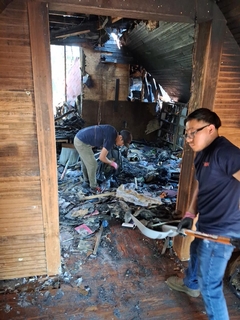
Fire damage restoration is about far more than cleaning up after the flames are gone. A fire can leave behind structural damage, smoke and soot contamination, persistent odors, water damage from firefighting efforts, and belongings that may appear ruined but can still be restored.
For homeowners and businesses, the period immediately following a fire can feel overwhelming. You may be trying to understand what is safe, what can be saved, what needs to be replaced, how to document your losses, and how to navigate an insurance claim, all at the same time.
That is where professional fire damage restoration services make a significant difference.
At CRDN Team Crouch, we approach fire recovery as a comprehensive restoration process rather than simply a cleanup job. The goal is to identify what can be recovered, protect valuable contents, document losses accurately, restore belongings using appropriate methods, and help return the property to a condition where people can begin moving forward.
Whether you are dealing with a residential house fire, commercial fire, kitchen fire, electrical fire, or smoke damage that spread beyond the room where the fire started, understanding the restoration process can help you make better decisions.
Fire Damage Restoration: What Happens After a Fire?
Once firefighters have extinguished a fire and authorities determine that it is safe to enter, the restoration process can begin.
It is important to understand that fire damage does not stop when the flames are extinguished. Smoke, soot, heat, water, and firefighting chemicals can continue affecting a property and its contents.
The U.S. Fire Administration recommends that people recovering from a home fire consider immediate safety, insurance considerations, property valuation, document replacement, and salvage as part of the recovery process.
Professional fire damage restoration generally involves several connected stages:
- Emergency assessment and stabilization
- Damage inspection and documentation
- Contents inventory
- Contents packout and transportation
- Smoke and soot cleaning
- Fire-damaged contents restoration
- Odor treatment
- Structural restoration coordination
- Climate-controlled storage
- Pack-back and return of restored belongings
A major mistake is assuming that everything affected by a fire must automatically be discarded.
Many belongings can be restored when they are evaluated quickly and handled using appropriate restoration techniques.
Understanding the Different Types of Fire Damage
Every fire is different. The damage depends on the size and location of the fire, what materials burned, how long the fire continued, the temperature reached, smoke movement, and how much water was used to extinguish the flames.
Direct Fire Damage
Direct fire damage occurs when flames physically burn or destroy materials.
This may include:
- Furniture
- Flooring
- Cabinets
- Clothing
- Artwork
- Electronics
- Documents
- Appliances
- Building materials
- Personal possessions
Some items may be beyond recovery. Others may look severely damaged but remain candidates for professional restoration.
Smoke Damage
Smoke can travel significantly beyond the area where the fire originated.
It can penetrate:
- Walls and ceilings
- Upholstery
- Clothing
- Carpeting
- Furniture
- Electronics
- Paper documents
- Artwork
This is why smoke damage restoration is a critical component of professional fire recovery.
Soot Damage
Soot is one of the most challenging residues created by a fire. Depending on the materials burned and the conditions of the fire, soot can vary considerably in composition and behavior.
Improper cleaning can sometimes make contamination worse or permanently damage surfaces.
Professional soot removal therefore requires an understanding of the material being cleaned, the type of residue present, and the appropriate cleaning methodology.
Water and Moisture Damage
Firefighters may use substantial amounts of water to suppress a fire. That water can affect floors, furniture, electronics, documents, textiles, and other contents.
Consequently, a fire loss can actually involve multiple forms of damage:
Fire + smoke + soot + water + odor.
A comprehensive fire damage restoration strategy needs to account for all of them.
Why Fire-Damaged Contents Should Be Evaluated Before Replacement
One of the most important principles in modern contents restoration is simple:
Don't assume an item is a total loss simply because it was involved in a fire.
Professional restoration specialists evaluate belongings based on:
- Type of material
- Extent of fire exposure
- Smoke and soot contamination
- Water exposure
- Odor
- Structural integrity
- Potential for cleaning
- Restoration cost
- Replacement value
- Insurance considerations
This evaluation can be particularly important for valuable or sentimental property.
For example, fire damaged contents may include family photographs, clothing, furniture, artwork, electronics, collectibles, books, documents, and heirlooms.
The financial value of an item is only part of the equation. Some possessions have sentimental value that cannot be measured by a replacement receipt.
Fire Damage Contents Restoration: What Can Be Saved?
Fire damage contents restoration focuses on recovering personal belongings affected by fire, smoke, soot, heat, or water.
Depending on the circumstances, restoration specialists may be able to recover:
- Clothing and textiles
- Furniture
- Electronics
- Documents
- Books
- Photographs
- Artwork
- Decorative objects
- Kitchenware
- Appliances
- Collectibles
- Personal belongings
- Business equipment
This is where specialized restoration differs from ordinary cleaning.
A smoke-damaged wedding dress, for example, should not necessarily be treated like ordinary laundry. A water-exposed electronic device should not simply be switched on to see whether it works. A soot-covered document may require a completely different approach from a piece of furniture.
Professional restoration is about matching the recovery technique to the item.
Contents Packout Services Protect Your Belongings During Restoration
When a property has experienced significant fire or smoke damage, leaving contents inside the building can make the restoration process more difficult.
This is where contents packout services become valuable.
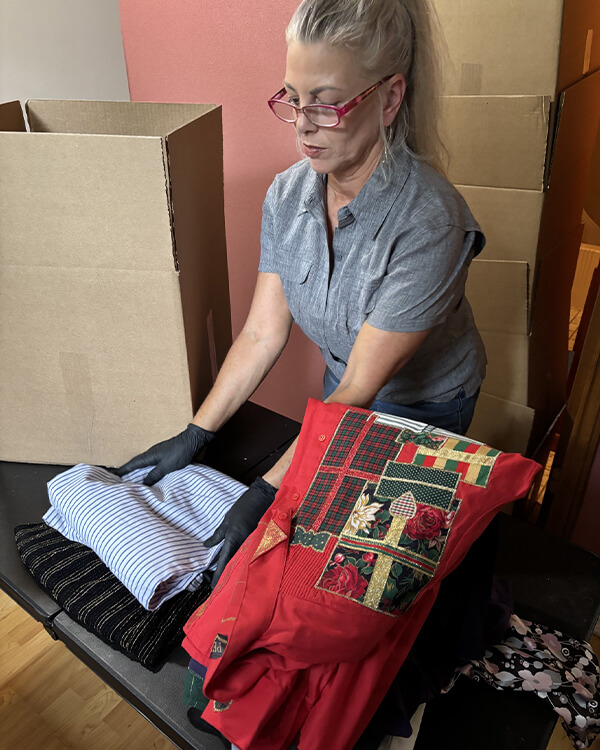
A professional packout typically involves:
- Identifying affected contents
- Creating a detailed inventory
- Photographing items
- Categorizing belongings
- Carefully packing contents
- Transporting them to a secure facility
- Cleaning and restoring eligible items
- Storing them under appropriate conditions
- Returning them after restoration
Insurance packout services can also provide important documentation for the claim process.
Rather than simply placing belongings into boxes and moving them away, a professional packout creates a structured chain of accountability for the contents.
The Importance of Contents Inventory After a Fire
A detailed contents inventory is one of the most valuable components of a fire recovery project.
After a major fire, it can be difficult for homeowners to remember everything that was inside the property.
A professional inventory can help document:
- Item descriptions
- Quantity
- Location
- Condition
- Photographs
- Restoration status
- Replacement considerations
This information can help organize the restoration process and support insurance claim documentation.
It is important to remember that restoration professionals do not determine what an insurance policy covers. Coverage is determined by the policy, applicable endorsements, deductibles, exclusions, and the insurer's claim process.
However, accurate documentation can make it easier for everyone involved to understand the scope of the loss.
Specialized Restoration for Fire-Damaged Belongings
Not every item should be restored using the same process.
At CRDN Team Crouch, specialized contents restoration may involve different approaches depending on the material and damage.
Fire-Damaged Clothing and Textiles
Smoke and soot can leave clothing with discoloration and persistent odors.
Textile restoration and clothing restoration may involve specialized cleaning and deodorization techniques designed for the specific fabric.
Items such as:
- Clothing
- Bedding
- Curtains
- Rugs
- Upholstery
- Linens
may be candidates for professional recovery.
Fire-Damaged Electronics
Electronics can be affected by smoke residue, soot, heat, moisture, and corrosion.
Fire damaged electronics should be evaluated rather than automatically discarded.
Professional electronics restoration may include inspection, controlled cleaning, contamination removal, drying where appropriate, and documentation.
Electrical equipment should never be powered on simply to determine whether it still works after exposure to fire or water.
Documents and Photographs
Documents can be among the most difficult belongings to replace.
Document restoration may help recover important records, photographs, books, certificates, business documents, and other paper-based materials depending on the type and severity of damage.
Artwork and Fine Art
Paintings, sculptures, antiques, collectibles, and other valuable pieces may require specialized handling.
Fine art restoration requires careful evaluation because aggressive cleaning can cause additional damage.
When a fire affects valuable artwork or collectibles, preservation should begin with careful documentation and controlled handling.
Smoke Odor Removal Requires More Than Air Freshener
One of the most persistent reminders of a fire is the smell.
Smoke odor removal is not simply a matter of making a room smell better temporarily. Smoke can penetrate porous materials and remain after visible soot has been removed.
Odor can become embedded in:
- Upholstery
- Carpeting
- Clothing
- Wood
- Drapery
- Mattresses
- Paper
- Personal belongings
Effective odor treatment therefore needs to address the source of the contamination rather than simply masking the smell.
The U.S. Environmental Protection Agency emphasizes that smoke can negatively affect indoor air quality and recommends approaches that reduce exposure to airborne particles and contaminants.
For a post-fire property, that principle reinforces an important restoration concept:
Cleaning the visible surface is not necessarily the same as removing the underlying contamination.
Climate-Controlled Storage During Fire Restoration
A damaged property may not be suitable for storing personal belongings during restoration.
Climate-controlled storage provides an important layer of protection while the home or business is being repaired.
Professionally managed storage can help protect contents from:
- Additional smoke exposure
- Dust
- Moisture
- Temperature fluctuations
- Construction activity
- Unauthorized access
- Secondary contamination
For homeowners, this can also reduce clutter and allow contractors to work more efficiently.
For businesses, secure contents storage can be especially important when valuable equipment, records, furnishings, or inventory must be removed from a damaged location.
How Fire Damage Restoration Works With Insurance Claims
A fire can create an enormous amount of paperwork.
The insurance process may involve:
- Reporting the loss
- Reviewing the policy
- Documenting damage
- Preparing inventories
- Obtaining estimates
- Separating salvageable and non-salvageable property
- Tracking restoration work
- Coordinating with adjusters
- Documenting completed work
This is one reason professional insurance restoration services can be valuable.
A restoration company can help organize the physical recovery and documentation process while working with the homeowner, property manager, insurance carrier, and other stakeholders.
The key is transparency.
At CRDN Team Crouch, we believe restoration should be based on documentation, communication, and realistic recovery options, not assumptions that everything must be replaced.
Residential and Commercial Fire Damage Restoration
Fire losses are not limited to homes.
Businesses can experience major disruption when fire affects:
- Offices
- Restaurants
- Retail stores
- Warehouses
- Medical facilities
- Hotels
- Schools
- Manufacturing facilities
Commercial fire damage restoration often requires additional coordination because business contents may include specialized equipment, computers, records, inventory, furniture, and other operational assets.
A business may also face pressure to resume operations quickly.
Professional emergency fire restoration can help establish an organized recovery process while protecting contents and documenting the loss.
For homeowners, residential fire damage restoration focuses heavily on protecting personal belongings, restoring the living environment, and helping families regain a sense of normalcy.
In both situations, the underlying principle is the same:
Restore what can be restored. Replace what cannot. Document everything.
Common Mistakes After a Fire
1. Entering the Property Before It Is Declared Safe
Structural, electrical, smoke, and other hazards may remain after a fire.
Do not assume a property is safe simply because the flames have been extinguished.
2. Cleaning Everything Yourself
Household cleaning products may not be appropriate for soot or smoke contamination.
Improper cleaning can damage materials or spread contamination.
3. Throwing Away Potentially Restorable Items
Discarding belongings before they are professionally evaluated can eliminate restoration opportunities and complicate documentation.
4. Turning On Damaged Electronics
Water, soot, and heat can create electrical hazards and cause additional damage.
5. Forgetting About Smoke Damage Outside the Fire Room
Smoke can travel throughout a building. A room that appears physically untouched may still contain smoke odors or residue.
6. Failing to Document the Loss
Photographs, videos, inventories, receipts, and professional documentation can all be valuable during the recovery and insurance process.
7. Waiting Too Long to Begin Restoration
The longer certain contaminants remain untreated, the more complicated restoration can become.
Prompt professional assessment helps determine priorities.
What Should You Do Immediately After a Fire?
Once emergency responders have addressed the immediate danger:
1. Prioritize safety.
Follow instructions from fire officials and do not re-enter until the property is considered safe.
2. Contact your insurance company.
Notify the insurer and understand the next steps for your claim.
3. Document what you can safely document.
Photographs and videos can help establish the condition of the property and belongings.
4. Avoid unnecessary cleaning.
Allow restoration professionals to assess smoke, soot, water, and contents damage.
5. Protect undamaged property when appropriate.
Prevent further exposure to weather, moisture, smoke, or unauthorized access.
6. Contact a professional restoration company.
Early assessment can help determine what should be cleaned, restored, stored, or replaced.
The U.S. Fire Administration provides post-fire recovery guidance covering the first 24 hours, insurance considerations, property valuation, document replacement, and salvage.
Why Professional Fire Damage Restoration Is Different From Fire Cleanup
The words cleanup and restoration are sometimes used interchangeably, but they represent different concepts.
Fire damage cleanup may focus primarily on removing visible debris, soot, and contamination.
Fire damage restoration takes a broader approach.
It considers:
- What caused the damage
- What was affected
- What can be saved
- How each item should be restored
- How belongings should be documented
- Where contents should be stored
- How restoration interacts with insurance
- How belongings will ultimately be returned
That distinction is especially important when a fire affects high-value or irreplaceable contents.
The CRDN Team Crouch Approach to Fire Damage Restoration
At CRDN Team Crouch, we believe successful restoration starts with a simple question:
What can we save?
That question changes the way a fire loss is approached.
Instead of immediately viewing damaged contents as disposable, professional restoration evaluates their condition and restoration potential.
Our approach can incorporate:
- Contents assessment
- Detailed contents inventory
- Insurance packout services
- Contents cleaning and restoration
- Fire damage contents restoration
- Smoke and soot cleaning
- Textile restoration
- Electronics restoration
- Document restoration
- Fine art restoration
- Odor treatment
- Climate-controlled storage
- Pack-back services
The result is a more organized path from damage to recovery.
And that matters because fire recovery is not only about restoring a structure.
It is about helping people recover the things that make that structure a home, workplace, business, or community.
Fire Damage Restoration FAQs
How quickly should fire damage restoration begin?
As soon as it is safe to enter and the property has been released by the appropriate authorities. Early assessment can help identify restoration opportunities and prevent additional damage.
Can smoke-damaged belongings really be restored?
Yes. Many smoke-damaged contents can potentially be cleaned and restored depending on the material, contamination level, and extent of damage. Professional evaluation is the best way to determine whether an item is restorable.
Does fire damage restoration include water damage?
It can. Water used during firefighting can create secondary damage, so a comprehensive restoration assessment should consider both fire and water exposure.
What is an insurance packout?
An insurance packout is the organized removal, inventory, transportation, and storage of belongings from a damaged property, typically so the contents can be cleaned, restored, protected, or evaluated during the restoration process.
Can clothing damaged by smoke be restored?
In many cases, yes. Professional clothing restoration and textile restoration can address smoke odor, soot, and other contamination depending on the condition of the garments.
Can electronics damaged by fire be restored?
Some electronics may be candidates for professional electronics restoration, depending on exposure to heat, smoke, soot, and moisture. Damaged electronics should be professionally evaluated before being powered on.
How does fire damage restoration help with insurance?
Professional restoration companies can provide inventories, photographs, documentation, estimates, restoration records, and other information that can help organize the physical recovery and insurance claim process. Coverage itself is determined by the applicable insurance policy and carrier.
Recovery Starts With Knowing What Can Be Saved
A fire can make a property feel completely unfamiliar. Walls may be damaged, smoke may be everywhere, belongings may be covered in soot, and the path forward may seem unclear.
But fire damage does not automatically mean everything is lost.
Professional fire damage restoration creates a structured process for evaluating the damage, protecting belongings, restoring what can be saved, documenting what happened, and helping property owners move toward recovery.
At CRDN Team Crouch, we see restoration as more than cleaning.
It is about restoring more than property.
It is about recovering memories, protecting valuable possessions, minimizing unnecessary replacement, and giving homeowners and businesses a clearer path forward after one of the most disruptive events they can experience.
If your home or business has experienced a fire, smoke, soot, or water damage, contact CRDN Team Crouch at (903) 908-1919 or visit www.crdntx.com to discuss your restoration needs.
Don't assume your belongings are a total loss before they have been professionally evaluated.
Contact CRDN Team Crouch for professional fire damage restoration, contents recovery, packout, cleaning, storage, and restoration services.
Categories
Recent Posts
-
September 8, 2026
Fire Damage Restoration: A Complete Guide to Recovering Your Home and Belongings After a Fire
-
September 3, 2026
Clothing Restoration After Fire and Water Damage: How Professional Restoration Can Save Your Wardrobe
-
August 20, 2026
How Packout Works With Insurance Claims: What Homeowners and Businesses Need to Know After Property Damage