How Packout Works With Insurance Claims: A Complete Guide to Contents Protection After Fire and Water Damage
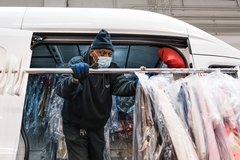
Packout and insurance claims are closely connected when a home or business experiences fire, water, smoke, or storm damage. After a major loss, property owners are often focused on immediate questions: What can be saved? What needs to be replaced? How will the insurance claim be documented? Where will everything go while repairs are underway?
A professional contents packout helps answer those questions systematically.
A packout is not simply moving belongings out of a damaged building. It is a structured restoration process involving contents inventory, documentation, careful packing, transportation, cleaning, restoration, secure storage, and eventual pack-back. When properly managed, the process protects belongings from secondary damage while creating documentation that can help insurance professionals evaluate the contents portion of a claim.
For homeowners and businesses, this can be particularly important because the contents of a property may represent a substantial financial and emotional investment. Furniture, clothing, electronics, artwork, documents, equipment, inventory, and personal belongings may all be affected by a single loss.
At CRDN Team Crouch, we approach packout as an integral part of the restoration process, not as a separate moving service. Our goal is to protect contents, maximize restoration opportunities, provide clear documentation, and help property owners and insurance professionals navigate recovery with greater confidence.
The National Association of Insurance Commissioners (NAIC) recommends maintaining a detailed home inventory because accurate records can provide insurers with information needed to help settle claims. That principle becomes especially important after a disaster, when accurate documentation of affected contents can be difficult without a systematic process.
Packout and Insurance Claims: How the Process Works
Packout and insurance claims work together because the contents of a damaged property need to be properly identified, documented, protected, and evaluated before restoration or replacement decisions can be made.
A professional packout typically involves six major stages:
- Assessment
- Contents inventory
- Professional packing
- Transportation
- Cleaning, restoration, and storage
- Pack-back
The process may vary depending on the type and severity of the loss, but the underlying objective remains the same: protect the contents while giving everyone involved a clear record of what was affected and what can be restored.
This is particularly important after fire and water damage because contents can continue deteriorating even after the initial event has ended.
For example, water-damaged belongings may develop secondary moisture-related problems if they are not dried or stabilized quickly. The EPA recommends drying wet or damp materials and furnishings within 24–48 hours to help prevent mold growth.
That makes rapid emergency packout services an important component of contents recovery.
What Is an Insurance Packout?
An insurance packout is the professional removal and management of belongings from a property affected by a covered loss.
The contents are removed so they can be:
- Protected from additional damage
- Inventoried
- Photographed
- Evaluated
- Cleaned
- Restored
- Stored securely
- Returned after structural repairs
Unlike a traditional moving service, professional packout services are designed around disaster restoration.
A moving company is primarily concerned with transporting belongings from one location to another.
A restoration company must consider much more:
- Was the item exposed to smoke?
- Was it affected by contaminated water?
- Does it require specialized cleaning?
- Is it salvageable?
- Does it need climate-controlled storage?
- Does it have sentimental or financial value?
- What documentation is required for the insurance claim?
This distinction is fundamental to understanding packout and insurance claims.
Why Contents Need to Be Removed After Fire or Water Damage
Leaving belongings inside a damaged property can expose them to additional hazards.
After a fire, contents may remain exposed to:
- Smoke residues
- Soot
- Heat
- Odors
- Humidity
- Fire suppression water
After water damage, belongings may face:
- Continued moisture exposure
- Mold growth
- Corrosion
- Warping
- Staining
- Contamination
Structural repairs create additional risks as well. Construction dust, debris, paint, drywall particles, and contractor activity can affect contents that remain inside the property.
Professional contents packout services remove these belongings from the restoration work area and place them in an environment where they can be evaluated and protected.
The Role of Contents Inventory in an Insurance Claim
A detailed contents inventory is one of the most important components of a professional packout.
Instead of simply stating that "furniture was damaged," a professional inventory can document individual items and their condition.
Depending on the project, documentation may include:
- Item description
- Manufacturer
- Model
- Serial number
- Quantity
- Photographs
- Location within the property
- Condition
- Restoration status
This creates a much clearer picture of the contents portion of a loss.
The NAIC specifically highlights photographs, room-by-room organization, and item records as useful components of a home inventory for insurance purposes.
CRDN Team Crouch brings this same documentation mindset into professional insurance packout services, helping establish accountability from removal through restoration and return.
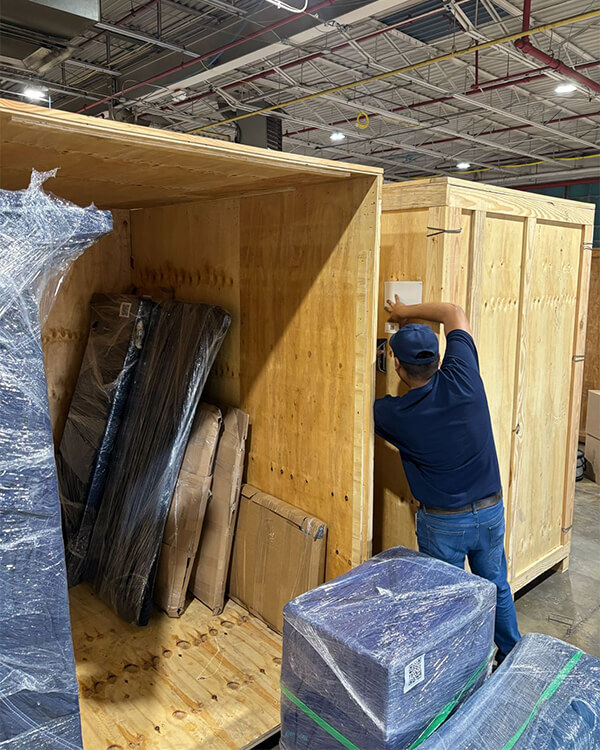
How Packout Documentation Helps Insurance Professionals
Insurance adjusters need reliable information to evaluate property damage.
A well-documented contents packout can provide information that helps answer questions such as:
- What items were affected?
- Where were they located?
- What was their condition?
- Can the item be restored?
- Does the item require specialized cleaning?
- Is the item still in storage?
- Has restoration been completed?
- Was the item returned to the property?
This documentation helps create a more organized communication process between the property owner, restoration company, contractor, and insurance professional.
It also helps reduce the confusion that can occur when hundreds or thousands of belongings are involved in a major loss.
Fire Damage and Insurance Packout
Fire losses frequently require extensive insurance packout services because smoke and soot can affect belongings throughout an entire building.
An item does not necessarily have to be burned to require restoration.
Smoke contamination may affect:
- Furniture
- Clothing
- Draperies
- Electronics
- Artwork
- Books
- Documents
- Collectibles
- Kitchen contents
Some items may look relatively normal but still contain smoke residues or odors.
Professional fire damage contents restoration evaluates each item individually rather than assuming that everything exposed to smoke must be discarded.
This restoration-first approach can potentially reduce unnecessary replacement and help preserve items that have financial or sentimental value.
Water Damage and Insurance Packout
Water damage presents a different set of challenges.
A burst pipe, appliance failure, roof leak, storm, or firefighting activity can expose contents to significant moisture.
Professional water damage contents restoration may involve rapidly removing affected belongings from the damaged environment so they can be evaluated and stabilized.
This is particularly important because moisture-related damage can continue after standing water has been removed.
The EPA emphasizes rapid drying following water damage because wet materials and furnishings can become vulnerable to mold growth when moisture remains.
A professional packout therefore becomes part of a larger water damage restoration strategy rather than simply being a transportation step.
What Happens During a Professional Contents Packout?
1. Property Assessment
The process begins with an assessment of the property and its contents.
The restoration team determines:
- What areas are affected
- Which contents require immediate removal
- What items require specialized handling
- Whether environmental hazards are present
- Which belongings may be candidates for restoration
Safety and stabilization come first.
2. Contents Inventory
The team systematically documents belongings before removal.
Items may be categorized according to:
- Room
- Type
- Condition
- Restoration requirements
- Priority
This creates a structured insurance claim inventory.
3. Professional Packing
Belongings are carefully packed using materials appropriate for their condition and sensitivity.
Different items may require different approaches.
For example:
- Clothing may require breathable protective packaging.
- Glassware requires cushioning.
- Artwork may require specialty protection.
- Electronics require careful handling and protective packaging.
- Furniture may require specialized wrapping.
The goal is to prevent additional damage during removal and transportation.
4. Transportation
Contents are transported to an appropriate restoration or storage facility.
Professional emergency packout services maintain organized tracking throughout transportation so belongings remain accountable.
5. Cleaning and Restoration
Once contents reach the restoration facility, items can be evaluated for appropriate treatment.
This may include:
- Contents cleaning and restoration
- Textile restoration
- Electronics restoration
- Smoke damage restoration
- Odor removal
- Furniture restoration
- Fine art restoration
- Document restoration
Not every item receives the same treatment.
The restoration method depends on the material, type of damage, contamination, condition, and restoration potential.
6. Secure Storage
Belongings may remain in climate-controlled storage while structural repairs are completed.
This protects contents from continued exposure to the damaged environment and allows contractors to work without navigating around personal belongings.
Does Packout Mean Everything Is Going Into Storage?
Not necessarily.
A professional contents restoration company evaluates the needs of each project.
Some belongings may:
- Require immediate cleaning
- Go directly to specialized restoration
- Require secure storage
- Be returned quickly
- Require further evaluation
This is another reason professional packout and insurance claims management is different from simply renting a storage unit and moving everything into it.
The objective is not just to relocate contents.
It is to protect, document, restore, and ultimately return them.
Why Restoration Can Be Better Than Replacement
Replacing everything after a disaster may appear to be the easiest solution, but it is not always the best one.
Professional contents restoration can provide several benefits:
Cost Control
Restoration may cost less than purchasing replacements for large quantities of belongings.
Preservation of Irreplaceable Items
Some belongings cannot truly be replaced.
Examples include:
- Family photographs
- Heirlooms
- Artwork
- Antiques
- Personal collections
- Historical documents
Reduced Waste
Restoring usable belongings can reduce the amount of material unnecessarily sent to landfills.
Faster Recovery
Restoration can allow valuable equipment and belongings to return to service without waiting for replacement items to be sourced and purchased.
For businesses, this can be particularly important when equipment or inventory is essential to operations.
CRDN Team Crouch's Approach to Packout and Insurance Claims
At CRDN Team Crouch, we believe professional packout and insurance claims management should be built around three principles:
Protect
Remove contents from environments where they may suffer additional damage.
Document
Create an accurate and transparent record of affected belongings.
Restore
Evaluate each item for the best available restoration solution before replacement is considered.
This approach allows CRDN Team Crouch to serve as a valuable partner for homeowners, businesses, contractors, and insurance professionals across Ark-La-Tex, Memphis, Little Rock, Northwest Houston, and Southwest Houston.
Our capabilities include:
- Insurance packout services
- Contents packout services
- Emergency packout services
- Contents inventory
- Contents cleaning and restoration
- Textile restoration
- Electronics restoration
- Fire damage contents restoration
- Water damage contents restoration
- Smoke damage restoration
- Fine art restoration
- Climate-controlled storage
- Insurance claim documentation
- Pack-back services
We don't view a packout as simply removing boxes from a building.
We view it as the first step in protecting the client's recovery.
What Makes Professional Packout Different?
A professional packout company understands that every item has a different restoration profile.
A cotton shirt, a leather sofa, a laptop, an oil painting, and a wooden antique should not be treated the same way.
Professional contents restoration considers:
- Material composition
- Type of contamination
- Exposure duration
- Environmental conditions
- Item value
- Restoration feasibility
- Handling requirements
This specialized knowledge is particularly important when insurance claims involve high-value or irreplaceable contents.
Packout and Business Insurance Claims
Commercial losses can be significantly more complicated than residential claims.
A business may have hundreds or thousands of assets affected by a single event.
These could include:
- Office equipment
- Electronics
- Computers
- Servers
- Retail inventory
- Furniture
- Manufacturing equipment
- Documents
- Medical equipment
Professional commercial packout services provide the organization necessary to manage these assets efficiently.
By documenting and protecting business contents, restoration professionals can help property owners and insurance professionals make informed decisions about restoration, replacement, and business continuity.
What Happens After Contents Are Restored?
The process eventually reaches the pack-back stage.
Once structural repairs are complete and belongings have been cleaned and restored, CRDN Team Crouch coordinates their return to the property.
Professional pack-back services may include:
- Transportation
- Inventory verification
- Room-by-room placement
- Furniture positioning
- Final item checks
The goal is to return the property as close as possible to its pre-loss condition.
For homeowners, that means getting their lives back.
For businesses, it means getting back to work.
How Insurance Adjusters Use Packout Documentation
A well-managed packout and insurance claims process gives insurance professionals a clearer picture of the contents portion of a property loss.
Adjusters may need to determine:
- Which items were damaged
- The type and extent of damage
- Which items may be restored
- Which items may require replacement
- Whether specialized restoration is appropriate
- What contents remain in storage
- Whether restored items have been returned
Professional insurance packout services create a documented trail that follows contents from the damaged property through restoration and ultimately back to the customer.
This can be especially valuable for large losses involving hundreds or thousands of individual items.
CRDN Team Crouch's structured approach helps establish accountability while keeping homeowners, businesses, restoration contractors, and insurance professionals informed throughout the process.
What Should You Do Before a Professional Packout?
After a fire or water loss, property owners may understandably want to begin cleaning immediately. However, some actions can unintentionally make the damage worse.
Before attempting to move or clean potentially damaged contents:
1. Prioritize Safety
Do not enter areas that may have structural, electrical, fire, or environmental hazards until they have been assessed appropriately.
2. Avoid Turning on Wet Electronics
Water-damaged computers, televisions, appliances, and other electronics should not be powered on until they have been professionally evaluated.
3. Avoid DIY Smoke Cleaning
Smoke and soot residues can be difficult to remove safely. Improper cleaning products can spread contamination or damage surfaces.
4. Document What You Can Safely Access
Photographs and videos of affected areas may be useful for your records and insurance claim.
5. Contact Your Insurance Professional
Follow your insurer's instructions regarding the claim and mitigation process.
6. Contact a Professional Restoration Company
A qualified restoration provider can assess the contents, establish priorities, and determine which belongings may be candidates for restoration.
Residential Packout vs. Commercial Packout
Although the fundamentals of contents packout services remain similar, residential and commercial losses can have very different requirements.
Residential Insurance Packout Services
A residential packout may involve hundreds of individual belongings, including:
- Furniture
- Clothing
- Kitchenware
- Electronics
- Toys
- Books
- Artwork
- Family photographs
- Antiques
- Collectibles
- Personal documents
For homeowners, the emotional value of belongings can be just as important as their financial value.
A professional restoration team understands that replacing a damaged item is not always equivalent to restoring it.
A family photograph, inherited piece of furniture, or sentimental keepsake may have no true replacement value.
Commercial Insurance Packout Services
Commercial losses often involve significantly larger inventories and more complex equipment.
A business packout may include:
- Computers
- Servers
- Network equipment
- Office furniture
- Retail inventory
- Manufacturing equipment
- Medical equipment
- Records
- Specialized tools
- Customer property
For businesses, the priority is often not only protecting assets but also minimizing operational downtime.
Professional commercial packout services allow contents to be removed systematically while structural repairs proceed, helping businesses focus on continuity and recovery.
Contents Cleaning and Restoration After Packout
A packout is only one stage of the recovery process.
Once belongings have been safely removed and documented, restoration professionals evaluate each item to determine the appropriate treatment.
This may include:
Smoke and Soot Restoration
Smoke-damaged contents may require specialized cleaning and deodorization.
Water Damage Contents Restoration
Water-exposed belongings may require drying, cleaning, stabilization, and moisture-related treatment.
Textile Restoration
Clothing, upholstery, draperies, rugs, and other fabrics may require specialized textile cleaning.
Electronics Restoration
Computers, televisions, servers, and other electronic equipment may require specialized inspection, cleaning, and testing.
Fine Art Restoration
Paintings, sculptures, antiques, and collectibles require specialized handling and restoration techniques.
The objective is always to maximize contents recovery while protecting the original integrity and value of each item.
Why Climate-Controlled Storage Matters
Structural restoration does not always happen quickly.
Major fire, water, and storm losses can require extensive reconstruction.
During this period, leaving contents inside the property may expose them to:
- Construction dust
- Humidity
- Temperature fluctuations
- Additional moisture
- Unauthorized access
- Accidental damage
Professional climate-controlled storage provides a secure environment while restoration continues.
This is particularly important for sensitive belongings such as:
- Textiles
- Artwork
- Wooden furniture
- Documents
- Electronics
- Collectibles
CRDN Team Crouch incorporates secure storage into its contents restoration workflow when appropriate, helping protect belongings throughout the entire recovery period.
Common Mistakes That Can Complicate a Packout and Insurance Claim
1: Assuming Everything Is a Total Loss
An item looking damaged does not necessarily mean it cannot be restored.
Professional evaluation should take place before valuable belongings are discarded.
2: Throwing Items Away Before Documentation
Disposing of damaged belongings before they are properly documented may make it more difficult to establish the scope of a contents loss.
When safe and practical, allow the restoration and insurance process to determine what should happen to affected items.
3: Treating a Packout Like a Standard Move
A disaster-damaged property requires restoration expertise—not simply transportation.
Smoke-damaged furniture, water-exposed electronics, delicate artwork, and contaminated textiles require specialized handling.
4: Waiting Too Long
Delaying emergency packout services can increase secondary damage.
Moisture, smoke residues, and environmental exposure can continue affecting belongings after the initial event.
5: Attempting to Clean Everything Yourself
Household cleaning products are not appropriate for every material or type of contamination.
Professional contents cleaning and restoration uses material-specific techniques designed to maximize recovery.
How CRDN Team Crouch Simplifies Packout and Insurance Claims
At CRDN Team Crouch, we understand that property damage can be overwhelming.
Our role is to bring structure to the recovery process.
From the initial assessment through final pack-back, our team focuses on:
Protecting → Documenting → Restoring → Storing → Returning
Our comprehensive capabilities include:
- Insurance packout services
- Contents packout services
- Emergency packout services
- Contents inventory
- Contents cleaning and restoration
- Fire damage contents restoration
- Water damage contents restoration
- Smoke damage restoration
- Textile restoration
- Electronics restoration
- Fine art restoration
- Climate-controlled storage
- Insurance claim documentation
- Pack-back services
- Residential contents restoration
- Commercial contents restoration
This integrated approach allows CRDN Team Crouch to serve as a single contents restoration resource throughout the recovery process.
We work with homeowners, businesses, contractors, property managers, and insurance professionals across Ark-La-Tex, Memphis, Little Rock, Northwest Houston, and Southwest Houston.
Frequently Asked Questions About Packout and Insurance Claims
Does insurance pay for a contents packout?
Coverage depends on the specific insurance policy and circumstances of the loss. Property owners should review their policy and work with their insurance professional to determine applicable coverage.
A professional restoration company can provide the documentation needed to support the contents portion of a claim.
Does everything have to be removed during a packout?
No.
The scope of a packout depends on the type of damage, property conditions, restoration requirements, and structural repair plan.
A professional assessment determines which belongings should be removed and protected.
Who pays for the contents restoration?
The answer depends on the insurance policy and the circumstances of the loss. Restoration professionals can document the work performed and coordinate with the appropriate parties during the claim.
Can damaged belongings be restored instead of replaced?
Often, yes.
Furniture, textiles, electronics, artwork, documents, and other belongings may be candidates for professional restoration depending on their condition and the type of damage.
The appropriate approach should be determined through professional evaluation.
How long does an insurance packout take?
There is no single timeframe.
The duration depends on:
- Property size
- Number of contents
- Extent of damage
- Accessibility
- Level of documentation required
- Specialty items
- Restoration requirements
A small residential loss may be completed much faster than a large commercial loss involving thousands of assets.
What happens to belongings after a packout?
Depending on their condition, contents may be:
- Cleaned
- Restored
- Deodorized
- Specialized for treatment
- Placed in secure storage
- Returned through pack-back services
The goal is to maintain accountability throughout the entire process.
Why Professional Packout Matters
The connection between packout and insurance claims is ultimately about more than paperwork.
A professional packout protects the physical contents while creating an organized framework for recovery.
It can help:
- Prevent secondary damage
- Improve contents documentation
- Identify restoration opportunities
- Reduce unnecessary replacement
- Support insurance claim evaluation
- Protect valuable and sentimental belongings
- Give contractors access to the damaged structure
- Improve organization during reconstruction
- Simplify the eventual pack-back
For homeowners, that can mean preserving items they thought were lost.
For businesses, it can mean protecting critical equipment and reducing downtime.
For insurance professionals, it can mean having clearer documentation to support the claims process.
CRDN Team Crouch: Your Partner in Contents Recovery
A disaster can create uncertainty, but the restoration process does not have to be chaotic.
CRDN Team Crouch brings together contents restoration, packout, specialty restoration, secure storage, documentation, and pack-back services to create a coordinated recovery experience.
Our team understands the importance of acting quickly while maintaining the highest level of care and accountability.
Whether your property has experienced:
- Fire damage
- Water damage
- Smoke damage
- Storm damage
- Flooding
- Structural damage
- Commercial property loss
our contents restoration professionals can help determine the next steps for protecting your belongings.
Understanding packout and insurance claims can help homeowners and businesses make better decisions after fire, water, smoke, or storm damage.
A professional packout is not simply about moving belongings out of a building. It is a comprehensive contents protection process that combines inventory, documentation, careful handling, transportation, restoration, secure storage, and pack-back.
When handled correctly, a packout can help prevent secondary damage, identify restoration opportunities, support insurance documentation, and protect belongings that might otherwise be discarded or replaced unnecessarily.
At CRDN Team Crouch, we believe restoration should begin with protecting what matters most.
From the first inventory item documented to the final belonging returned to its proper place, our team provides the expertise and organization needed to help families and businesses recover with confidence.
If you have experienced fire, water, smoke, or storm damage, don't assume your belongings are beyond saving.
Let CRDN Team Crouch evaluate, document, protect, and restore them.
Call CRDN Team Crouch: (903) 908-1919
Visit: www.crdntx.com
CRDN Team Crouch — Restoring More Than Property. Protecting What Matters Most.
Categories
Recent Posts
-
August 11, 2026
How Packout Works With Insurance Claims: A Complete Guide to Contents Protection After Fire and Water Damage
-
July 30, 2026
Water Damaged Electronics: How Professional Restoration Can Save Your Valuable Devices After a Flood or Leak
-
July 28, 2026
CRDN Restoration: How Professional Contents Restoration Helps Families and Businesses Recover After Disaster