Clothing Restoration After Fire and Water Damage: How Professional Restoration Can Save Your Wardrobe
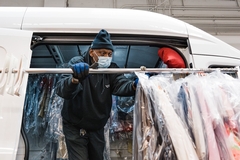
Clothing restoration can help homeowners recover garments that have been affected by fire, smoke, water, storms, or other property disasters. When a major loss occurs, clothing is often one of the most overlooked categories of personal property. People naturally focus on structural damage, furniture, and electronics, but an entire wardrobe can be exposed to smoke, soot, moisture, contaminated water, mold, and persistent odors.
The good news is that damaged clothing is not automatically a total loss.
Professional clothing restoration services use specialized cleaning, deodorization, drying, and textile-restoration techniques to determine which garments can be recovered and which may need replacement. From everyday clothing and children's garments to designer apparel, uniforms, leather items, linens, and sentimental textiles, professional evaluation can make a significant difference.
At CRDN Team Crouch, we understand that clothing is more than fabric. Your wardrobe represents financial investment, personal identity, memories, and everyday necessities. Our contents restoration approach is designed to protect those belongings, document their condition, coordinate specialized cleaning, and return them to you whenever restoration is practical.
Whether your clothing has been affected by a house fire, a burst pipe, flooding, smoke contamination, or water from fire suppression, knowing what to do next can help protect your wardrobe and your insurance claim.
Clothing Restoration: Why Professional Restoration Matters After a Disaster
Clothing restoration is the professional process of evaluating, cleaning, deodorizing, drying, and restoring garments and other textile-based belongings affected by a disaster.
It is fundamentally different from taking clothes to an ordinary dry cleaner.
A conventional cleaner generally receives garments under normal circumstances and cleans them according to their care requirements.
A restoration professional is dealing with garments that may have been exposed to:
- Smoke
- Soot
- Fire residues
- Floodwater
- Contaminated water
- Mold
- Mildew
- Strong odors
- Construction dust
- Fire suppression water
The restoration process therefore begins with damage assessment, not simply washing.
Professionals need to understand what caused the damage, what contaminants are present, what materials the garments contain, and which treatment methods are appropriate.
This distinction is particularly important following fire damage because smoke residues can continue affecting textiles even when the garments appear relatively clean.
The National Fire Protection Association (NFPA) explains that smoke and fire damage can extend beyond the area directly affected by flames, reinforcing why post-fire contents require careful assessment and restoration. National Fire Protection Association — Fire Damage and Recovery
For property owners, professional clothing restoration can provide an opportunity to recover garments before automatically replacing an entire wardrobe.
How Fire Damage Affects Clothing
Fire does not have to directly burn clothing for it to become damaged.
Smoke can travel through an entire building, depositing residues and odors on clothing stored in closets, bedrooms, laundry rooms, and storage areas.
Smoke-Damaged Clothing
Smoke damaged clothing may develop:
- Persistent smoke odor
- Gray or black soot deposits
- Yellowing or discoloration
- Chemical residues
- Surface staining
- Fiber contamination
Smoke odors can be particularly difficult to eliminate because odor-causing compounds can penetrate fibers.
Simply washing the clothing with ordinary detergent may not completely remove the contamination.
Professional smoke odor removal from clothes may involve specialized deodorization and textile-cleaning procedures designed according to the garment's material and condition.
Soot Removal From Clothing Requires Care
Soot is not ordinary dirt.
Attempting to aggressively brush or rub soot from clothing can sometimes push particles deeper into textile fibers or spread contamination to previously unaffected areas.
This is why professional soot removal from clothing begins with assessment and appropriate handling.
Restoration specialists may consider:
- Fiber type
- Dye stability
- Extent of contamination
- Type of soot
- Garment construction
- Existing stains
- Manufacturer care instructions
The objective is to remove contaminants without unnecessarily damaging the garment.
How Water Damage Affects Clothing
Water can cause extensive damage to clothing, particularly when garments remain wet for an extended period.
Potential problems include:
- Staining
- Dye transfer
- Shrinkage
- Fabric distortion
- Mildew
- Mold
- Musty odors
- Fiber deterioration
The source of the water is also important.
Clothing exposed to clean water from a supply-line leak presents a different restoration challenge from clothing exposed to floodwater or sewage-contaminated water.
Professional water damaged clothing restoration begins with identifying the source and severity of exposure.
The U.S. Environmental Protection Agency emphasizes the importance of moisture control and prompt drying to reduce the potential for mold growth in water-damaged environments. U.S. Environmental Protection Agency — Mold and Moisture
This principle applies to clothing and other textiles as well.
Can Water-Damaged Clothing Be Saved?
In many cases, yes.
The answer depends on several factors, including:
- Type of water
- Length of exposure
- Degree of contamination
- Fabric composition
- Dye stability
- Presence of mold
- Condition of the garment
- Speed of professional intervention
Clothing exposed briefly to clean water may have a substantially different restoration outlook from garments submerged in contaminated floodwater for several days.
Professional clothing restoration services evaluate these factors before determining the appropriate course of action.
The important point is not to automatically assume that every wet garment must be thrown away.
What Types of Clothing Can Be Restored?
Professional textile restoration can involve a surprisingly broad range of garments and fabric-based belongings.
Everyday Clothing
This can include:
- Shirts
- Pants
- Dresses
- Jackets
- Sweaters
- Coats
- Children's clothing
- Athletic wear
- Uniforms
Designer and Specialty Garments
High-value clothing may require additional care.
Examples include:
- Designer apparel
- Formalwear
- Wedding dresses
- Suits
- Leather garments
- Specialty fabrics
- Vintage clothing
The value of professional restoration becomes particularly apparent when replacing the item would be expensive or difficult.
Shoes and Accessories
Depending on material and condition, restoration may also involve:
- Shoes
- Handbags
- Belts
- Scarves
- Hats
- Gloves
- Leather accessories
Different materials require different restoration methods.
Household Textiles
Clothing restoration can also form part of a larger textile restoration project involving:
- Bedding
- Blankets
- Curtains
- Drapes
- Table linens
- Towels
- Area rugs
- Upholstery fabrics
The Professional Clothing Restoration Process
Professional clothing restoration is a systematic process rather than a single cleaning treatment.
Step 1: Assessment
The restoration team evaluates the garments and identifies:
- Type of damage
- Contamination
- Fabric type
- Garment condition
- Restoration potential
This helps determine which treatment is appropriate.
Step 2: Contents Inventory
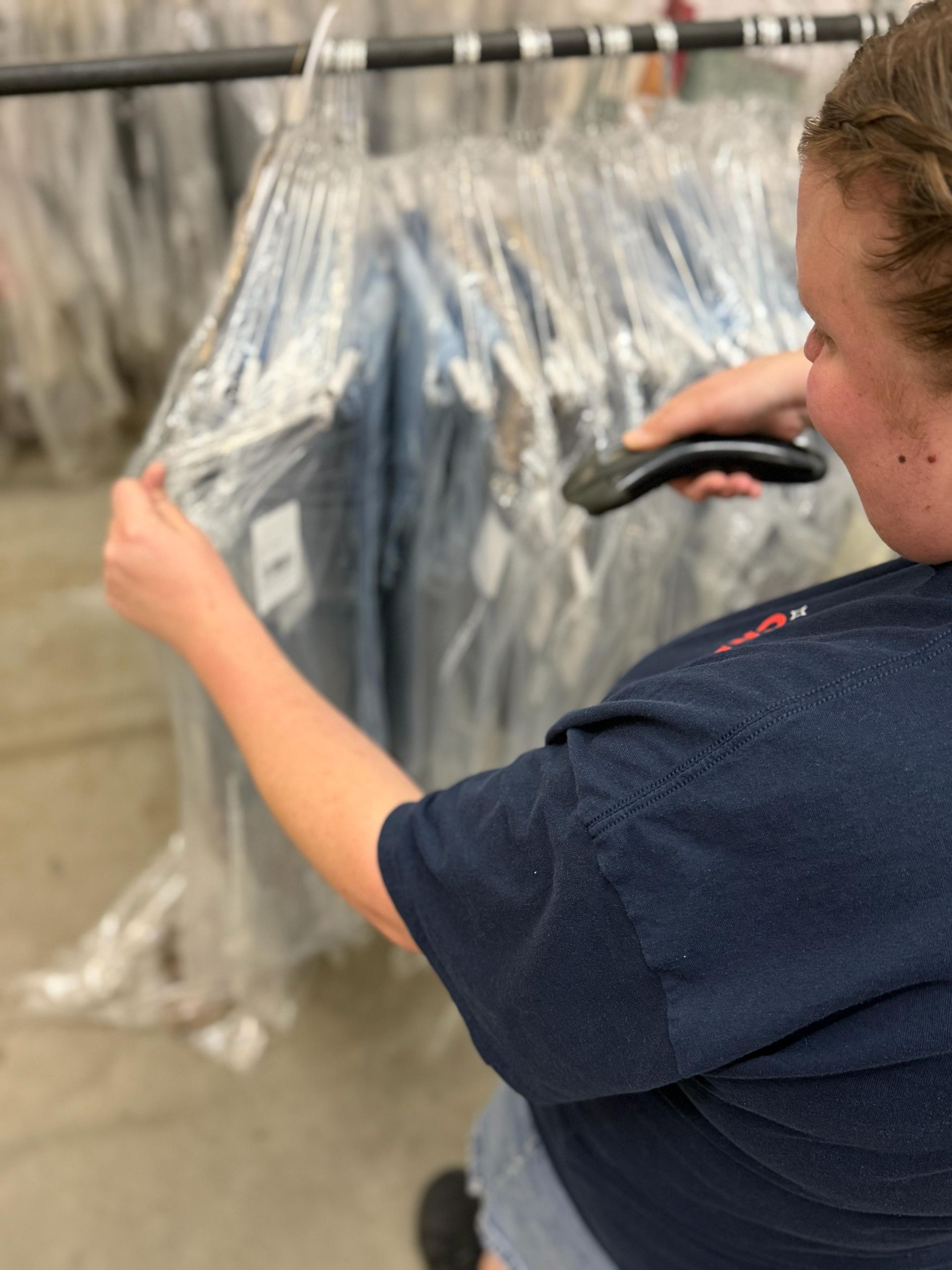
Each garment is documented as part of the property's overall contents inventory.
Documentation may include:
- Description
- Quantity
- Brand
- Size
- Photographs
- Condition
- Location
This is particularly important when hundreds of garments are affected.
Step 3: Professional Packout
Affected clothing may be removed from the property through professional insurance packout services.
Garments are carefully handled, categorized, packaged, and transported to an appropriate restoration facility.
This protects clothing from remaining exposed to smoke, soot, moisture, or construction conditions.
Step 4: Sorting and Treatment Planning
Garments are evaluated based on their:
- Material
- Damage
- Contamination
- Cleaning requirements
- Restoration potential
Different garments may require completely different treatments.
Step 5: Specialized Cleaning
Professional professional clothing cleaning after a disaster may involve specialized cleaning techniques selected for the particular textile.
Treatment may address:
- Smoke residue
- Soot
- Odors
- Water stains
- Dirt
- Contamination
The objective is to clean the garment without compromising its structure or appearance.
Step 6: Deodorization
Smoke odors can be persistent.
Professional smoke odor removal from clothes may use controlled deodorization methods designed to neutralize or remove odor-causing compounds.
The treatment selected depends on the garment and type of contamination.
Step 7: Drying and Finishing
After cleaning, garments are appropriately dried and prepared for return.
This can include:
- Inspection
- Finishing
- Folding
- Packaging
- Final quality control
Step 8: Secure Storage
If the property is still undergoing repairs, restored clothing may be placed in climate-controlled storage.
This protects garments from:
- Humidity
- Construction dust
- Additional moisture
- Temperature fluctuations
- Unauthorized access
Step 9: Pack-Back
Once the property is ready, restored garments can be returned through professional pack-back services.
The clothing is matched against inventory records and returned to the property in an organized manner.
Why You Should Not Simply Wash Fire-Damaged Clothing Yourself
One of the most common mistakes after a house fire is putting smoke-damaged garments directly into a household washing machine.
That approach may not adequately address the contamination.
It can also create problems if garments require specialized treatment.
Professional fire damaged clothing restoration considers the nature of the smoke residue, garment material, dyes, construction, and contamination level before treatment begins.
The same principle applies to expensive or sentimental garments.
A wedding dress, designer suit, vintage garment, or heirloom textile deserves careful evaluation before aggressive cleaning is attempted.
Clothing Restoration and Insurance Claims
Professional clothing restoration can also play an important role in the contents portion of an insurance claim.
A major loss may involve hundreds of garments, making accurate documentation essential.
CRDN Team Crouch can help organize:
- Contents inventory
- Garment documentation
- Photographs
- Condition reports
- Packout records
- Restoration documentation
- Storage records
- Pack-back records
This creates a documented chain of custody throughout the recovery process.
It also helps distinguish between:
What was damaged → What was restored → What required replacement → What was returned
Property owners should remember that insurance coverage varies by policy and cause of loss. Restoration professionals provide documentation and restoration services but do not determine coverage.
Why Restoration Can Be Better Than Replacement
Replacing an entire wardrobe after a disaster can become expensive very quickly.
Professional clothing restoration services may provide an alternative.
Restoration can help:
Reduce Replacement Costs
Recovering garments can reduce the number of items that need to be replaced.
Preserve Sentimental Clothing
Some garments have emotional value that cannot be replicated.
Preserve Expensive Items
Designer clothing, leather goods, formalwear, and specialty garments may be costly to replace.
Reduce Waste
Restoring usable textiles keeps them from unnecessarily entering the waste stream.
The goal is not to restore every garment regardless of condition.
The goal is to determine which garments have realistic restoration potential and provide the appropriate treatment.
Textile Restoration Goes Beyond Clothing
Textile restoration is a broader discipline that includes clothing as well as many other fabric-based belongings.
After a disaster, CRDN Team Crouch may coordinate restoration for:
- Clothing
- Bedding
- Curtains
- Drapes
- Rugs
- Upholstery
- Linens
- Specialty textiles
This broader approach is important because fire and water damage rarely affects only one category of contents.
A smoke loss, for example, may contaminate an entire home.
A water loss may affect closets, bedrooms, storage areas, and laundry rooms simultaneously.
Professional contents restoration addresses the loss comprehensively.
What About Mold and Mildew on Clothing?
Mold and mildew can become significant concerns when clothing remains wet or is stored in a damp environment.
Potential signs include:
- Musty odor
- Visible growth
- Discoloration
- Staining
The EPA explains that controlling moisture is fundamental to mold prevention and remediation. U.S. Environmental Protection Agency — Mold and Moisture
If clothing has developed mold or has been exposed to contaminated water, professional evaluation is particularly important.
Do not simply place heavily contaminated garments into your washing machine alongside unaffected clothing.
Clothing Packout: Protecting Your Wardrobe From Additional Damage
A professional contents packout is often the first practical step in protecting clothing after a major property loss.
CRDN Team Crouch carefully manages the process of:
Inventory → Pack → Transport → Restore → Store → Return
Removing clothing from the damaged environment provides an opportunity to stop continued exposure.
This can be especially important after:
- House fires
- Floods
- Burst pipes
- Major roof leaks
- Storm damage
- Fire suppression
- Commercial property losses
Residential Clothing Restoration
For homeowners, clothing restoration can help recover the wardrobe needed for everyday life.
CRDN Team Crouch can help address clothing belonging to:
- Adults
- Children
- Families
- Guests
- Household staff
The process can also accommodate specialty items that require additional care.
The goal is to help families regain access to their belongings while the larger property restoration project continues.
Commercial Clothing and Textile Restoration
Businesses can also have significant textile restoration needs.
Potential examples include:
- Uniforms
- Hospitality linens
- Retail clothing inventory
- Costumes
- Specialty garments
- Medical textiles
- Commercial fabrics
Professional commercial contents restoration can help businesses protect inventory and reduce unnecessary replacement after a disaster.
For a retailer, restoring inventory may have a direct impact on business continuity.
For a hospitality operation, recovering linens and textiles may help reduce operational disruption.
Common Mistakes to Avoid After Clothing Damage
Don't Throw Everything Away
Damaged does not always mean non-restorable.
Don't Mix Contaminated and Clean Clothing
Keep unaffected garments separated until the extent of contamination has been established.
Don't Use Harsh Chemicals
Bleach and other household chemicals can permanently damage certain fabrics and dyes.
Don't Ignore Odors
Smoke odor can persist even when visible soot is gone.
Don't Delay Professional Evaluation
Prompt assessment can improve restoration opportunities, particularly after water exposure.
Don't Forget Documentation
Photographs and inventory records can be important during the insurance claims process.
Why CRDN Team Crouch Is a Thought Leader in Clothing and Textile Restoration
At CRDN Team Crouch, we understand that successful clothing restoration requires more than knowing how to clean fabric.
It requires understanding:
- Disaster-related contamination
- Textile composition
- Smoke and soot
- Water exposure
- Odor removal
- Packout logistics
- Contents inventory
- Insurance documentation
- Secure storage
- Restoration-versus-replacement decisions
Our comprehensive contents restoration capabilities include:
- Clothing restoration
- Textile restoration
- Fire damaged clothing restoration
- Water damaged clothing restoration
- Smoke damaged clothing restoration
- Smoke odor removal
- Contents cleaning and restoration
- Insurance packout services
- Emergency contents restoration
- Contents inventory
- Climate-controlled storage
- Insurance claim documentation
- Pack-back services
We bring a restoration-first mindset to every project: protect what can be protected, restore what can be restored, and document everything along the way.
Frequently Asked Questions About Clothing Restoration
Can smoke-damaged clothing be restored?
Yes, many smoke-damaged garments can be professionally cleaned and deodorized. The restoration potential depends on the type of smoke, level of contamination, fabric, and extent of damage.
Can water-damaged clothing be saved?
Often. Clean-water exposure may be more straightforward to address than contaminated floodwater, but every garment should be individually evaluated.
How quickly should wet clothing be addressed?
As quickly as possible. Prompt stabilization and drying can help limit mold, mildew, staining, and other secondary damage.
Should I wash smoke-damaged clothes myself?
It is generally better to have heavily smoke-contaminated or valuable garments professionally evaluated first.
Can expensive clothing be restored?
Potentially. Designer apparel, leather garments, formalwear, wedding dresses, and specialty textiles may be candidates for professional restoration depending on their condition.
Does insurance cover clothing restoration?
Coverage depends on the policy and cause of loss. CRDN Team Crouch can provide documentation of affected garments and restoration services to support the contents portion of an insurance claim.
What happens to clothing after a packout?
Garments are inventoried, evaluated, and routed for appropriate cleaning or restoration. Once restored, they may remain in secure storage until the property is ready for pack-back.
Don't Assume Your Wardrobe Is a Total Loss
A fire, flood, or major water leak can make an entire wardrobe appear ruined in a matter of hours.
But damaged clothing is not necessarily lost clothing.
Professional clothing restoration gives homeowners and businesses an opportunity to recover garments that might otherwise be discarded. Through careful assessment, specialized textile cleaning, deodorization, drying, documentation, secure storage, and pack-back, restoration professionals can help preserve valuable and meaningful belongings.
At CRDN Team Crouch, we approach clothing and textile restoration as an important part of the overall contents recovery process. We understand that a wardrobe can include expensive investments, everyday necessities, sentimental pieces, family heirlooms, and irreplaceable garments.
Our job is not simply to clean clothes.
It is to protect, document, restore, and return what matters.
If your clothing has been affected by fire, smoke, water, flooding, or another disaster, don't immediately throw it away.
Have it professionally evaluated first.
CRDN Team Crouch can help determine what can be restored and guide you through the contents recovery process from packout to pack-back.
Call CRDN Team Crouch: (903) 908-1919
Visit: www.crdntx.com
CRDN Team Crouch — Restoring More Than Property. Preserving What Matters Most.
Categories
Recent Posts
-
October 15, 2026
Insurance Packout: How Professional Contents Restoration Protects Your Belongings During an Insurance Claim
-
October 13, 2026
Items Affected by Fire and Water Damage: What Can Be Restored and What Must Be Replaced?
-
October 8, 2026
Fire Damage Restoration: How Professional Restoration Can Save Your Home and Belongings After a Fire