Sculpture Restoration: How Experts Clean, Repair, and Preserve Damaged Art After Fire, Water, and Environmental Exposure
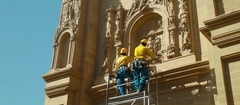
Sculpture restoration is a highly specialized field within contents restoration, focused on preserving and recovering valuable artwork after fire, water, or environmental damage. Sculptures, whether made of metal, stone, wood, ceramic, or mixed materials, are often delicate, irreplaceable, and highly sensitive to contamination.
When disaster strikes, sculptures can be exposed to smoke residue, soot, moisture, mold growth, and environmental pollutants. Without proper restoration, these materials may deteriorate quickly, leading to permanent loss of artistic, historical, and financial value.
CRDN Team Crouch provides expert sculpture restoration support as part of its comprehensive contents restoration services across Ark-La-Tex, Memphis, and Houston. According to the Smithsonian Museum Conservation Institute, proper conservation techniques are essential for preserving artwork affected by environmental and disaster-related damage.
Understanding how professional sculpture restoration works can help property owners, collectors, and businesses protect valuable art assets and ensure long-term preservation.
Sculpture Restoration — Why Specialized Care Is Essential
Sculpture restoration requires a level of expertise that goes beyond standard cleaning or repair services.
Unlike everyday items, sculptures often involve:
- Complex materials
- Layered finishes
- Historical or artistic significance
- Structural sensitivity
Damage from fire, water, or environmental exposure can affect both the surface and internal structure of the piece.
The National Park Service (NPS) explains that improper cleaning or handling of cultural objects can cause irreversible damage, making professional conservation essential.
CRDN Team Crouch works with specialized restoration partners to ensure sculptures are handled with the highest level of care.
How Fire Damage Affects Sculptures
Fire damage can have both immediate and long-term effects on sculptures.
Even if a sculpture is not directly exposed to flames, smoke and soot can settle on surfaces and penetrate materials.
The National Fire Protection Association (NFPA) explains that smoke particles can spread throughout a structure, affecting contents far beyond the fire’s origin.
Fire-related damage to sculptures may include:
- Soot buildup
- Surface discoloration
- Chemical residue from combustion
- Heat-related structural stress
Soot is often acidic, which can corrode metals and damage finishes over time.
Professional sculpture restoration removes these contaminants using techniques designed to preserve the integrity of the artwork.
Water Damage and Its Impact on Sculptures
Water damage is another major threat to sculptures.
Flooding, leaks, and fire suppression efforts can expose sculptures to moisture, leading to deterioration.
The Environmental Protection Agency (EPA) states that porous materials can begin supporting mold growth within 24 to 48 hours after water exposure.
Water damage can cause:
- Warping in wooden sculptures
- Corrosion in metal pieces
- Cracking in ceramics or stone
- Mold growth on porous surfaces
Sculpture restoration includes controlled drying, cleaning, and stabilization to prevent further damage.
CRDN Team Crouch ensures rapid response to protect sculptures from long-term deterioration.
Environmental Exposure and Long-Term Damage
Even without a major disaster, sculptures can be affected by environmental exposure over time.
Factors such as humidity, temperature fluctuations, and air pollution can degrade materials.
The Smithsonian Museum Conservation Institute emphasizes that environmental conditions play a critical role in the preservation of artwork.
Environmental damage may include:
- Surface erosion
- Fading or discoloration
- Structural weakening
- Mold or mildew growth
Professional sculpture restoration addresses these issues through controlled cleaning and preservation techniques.
The Sculpture Restoration Process
Sculpture restoration follows a structured and highly controlled process.
1. Assessment and Documentation
Each sculpture is evaluated to determine the type and extent of damage.
2. Material Identification
Restoration experts identify the materials used in the sculpture to determine appropriate cleaning methods.
3. Surface Cleaning
Contaminants such as soot, dust, and debris are carefully removed.
4. Decontamination
Specialized treatments eliminate harmful residues and pollutants.
5. Structural Repair
Damaged components are stabilized and repaired as needed.
6. Preservation and Protection
Protective coatings or treatments may be applied to prevent future damage.
The American Institute for Conservation (AIC) highlights the importance of using conservation-grade methods to preserve cultural and artistic objects.
CRDN Team Crouch ensures that all restoration work is performed according to these principles.
Why DIY Cleaning Can Damage Sculptures
Attempting to clean or repair sculptures without professional expertise can lead to irreversible damage.
Common risks include:
- Scratching or abrasion
- Chemical damage from improper cleaning agents
- Structural weakening
- Loss of original finish
The National Park Service (NPS) warns that improper conservation techniques can permanently alter or damage artifacts.
Professional sculpture restoration ensures that each piece is handled safely and appropriately.
Protecting High-Value and Historical Art
Sculptures often hold significant financial, historical, or sentimental value.
These may include:
- Fine art pieces
- Historical artifacts
- Custom or commissioned works
- Decorative sculptures
The American Alliance of Museums (AAM) emphasizes the importance of preserving cultural objects for future generations.
CRDN Team Crouch understands the importance of these items and ensures they are treated with the highest level of care.
Insurance and Documentation for Artwork Restoration
Accurate documentation is essential when restoring sculptures after damage.
Insurance claims often require:
- Detailed descriptions of the artwork
- Photographic records
- Condition assessments
The National Association of Insurance Commissioners (NAIC) explains that proper documentation helps streamline claims and reduce disputes.
CRDN Team Crouch provides comprehensive documentation to support insurance processes.
Environmental Benefits of Restoration
Restoring sculptures instead of replacing them supports environmental sustainability.
Discarded materials contribute to waste and environmental impact.
The Environmental Protection Agency (EPA) encourages reuse and preservation practices to reduce waste.
Sculpture restoration helps:
- Preserve valuable materials
- Reduce landfill waste
- Support sustainable practices
CRDN Team Crouch integrates environmentally responsible methods into its restoration services.
Why Local Expertise Matters
Local conditions can influence how sculptures are affected by damage.
Regions like Ark-La-Tex, Memphis, and Houston experience:
- High humidity
- Severe storms
- Flooding
- Fire-related incidents
Local restoration professionals understand these challenges and can respond quickly.
CRDN Team Crouch provides rapid response services across these areas, ensuring effective sculpture restoration.
Why CRDN Team Crouch Leads in Sculpture Restoration
CRDN Team Crouch stands out through:
- Rapid emergency response
- Advanced restoration expertise
- Detailed documentation systems
- Secure handling and storage
- Insurance coordination
Their approach combines technical precision with a commitment to preserving valuable contents.
CRDN Team Crouch ensures that sculptures and other high-value items are restored safely and effectively.
Sculpture restoration is essential for preserving artwork after fire, water, and environmental damage. By using professional restoration techniques, property owners can protect valuable sculptures, prevent further deterioration, and maintain their artistic and financial value.
CRDN Team Crouch provides expert restoration services that help homeowners and businesses recover valuable art and move forward after damage.
When it comes to preserving sculptures, professional restoration makes all the difference.
?? Call CRDN Team Crouch at (903) 908-1919
?? Visit https://www.crdntx.com
CRDN — Preserving art, protecting value, and restoring what matters most.
Categories
Recent Posts
-
September 15, 2026
Home Content Cleaning After Disaster: How Professional Contents Restoration Can Save What Matters Most
-
September 8, 2026
Fire Damage Restoration: A Complete Guide to Recovering Your Home and Belongings After a Fire
-
September 3, 2026
Clothing Restoration After Fire and Water Damage: How Professional Restoration Can Save Your Wardrobe