Textile Restoration in Spring: How to Restore Clothing and Fabrics After Seasonal Water, Mold, and Fire Damage
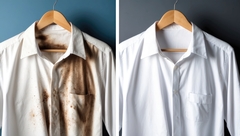
Textile restoration in spring becomes especially important as seasonal changes bring increased risks of water damage, mold growth, and even fire-related incidents. Spring is often associated with heavy rains, flooding, fluctuating temperatures, and increased humidity, all of which can have a direct impact on clothing, upholstery, draperies, and other fabrics inside homes and businesses.
When fabrics are exposed to moisture or smoke during this season, they can quickly absorb contaminants that lead to staining, odors, and long-term deterioration. Many property owners assume these items must be discarded, but professional textile restoration can often save them.
CRDN Team Crouch provides expert textile restoration services across Ark-La-Tex, Memphis, and Houston, helping families and businesses recover valuable fabrics after seasonal damage. According to the Environmental Protection Agency (EPA), mold can begin growing on porous materials like fabrics within 24 to 48 hours after exposure to moisture, making fast action essential during spring.
Understanding how textile restoration works during this high-risk season can help property owners protect their belongings and reduce losses.
Textile Restoration in Spring — Why Seasonal Risks Increase Fabric Damage
Textile restoration in spring is critical because this season creates the perfect conditions for fabric damage.
Spring-related risks include:
- Heavy rainfall and flooding
- High humidity levels
- Temperature fluctuations
- Storm-related property damage
These conditions can lead to:
- Water saturation of fabrics
- Mold growth
- Odor absorption
- Contamination from debris and pollutants
The Centers for Disease Control and Prevention (CDC) warns that floodwater may contain bacteria, chemicals, and debris that require proper cleaning and sanitation.
Professional textile restoration addresses these risks quickly and effectively.
How Water Damage Affects Fabrics in Spring
Water damage is one of the most common issues during spring.
Flooding, roof leaks, and plumbing failures can saturate fabrics quickly. Once wet, textiles become highly vulnerable to damage.
The Environmental Protection Agency (EPA) explains that damp materials can support mold growth within 24 to 48 hours, especially in porous materials like clothing and upholstery.
Water damage can cause:
- Fabric weakening
- Staining
- Odor development
- Mold contamination
Textile restoration in spring involves rapid drying, cleaning, and sanitization to prevent these issues from becoming permanent.
CRDN Team Crouch prioritizes quick response to protect fabrics from long-term damage.
Mold Growth: A Major Springtime Threat to Textiles
Mold is one of the biggest threats to fabrics during spring.
High humidity and moisture create ideal conditions for mold spores to grow and spread.
The Environmental Protection Agency (EPA) highlights that mold exposure can lead to both material damage and health concerns.
Mold can cause:
- Persistent musty odors
- Discoloration
- Structural damage to fibers
- Health risks for occupants
Professional textile restoration includes antimicrobial treatments and controlled drying processes to eliminate mold safely.
CRDN Team Crouch uses advanced techniques to prevent mold regrowth and restore fabrics effectively.
Fire and Smoke Damage During Spring
Spring storms can increase the risk of electrical fires and other fire-related incidents.
Smoke damage can affect fabrics throughout a property, even in areas not directly exposed to flames.
The National Fire Protection Association (NFPA) explains that smoke particles can travel through structures and embed into porous materials like fabrics.
Smoke damage can lead to:
- Strong odors
- Staining
- Chemical residue buildup
Textile restoration in spring includes specialized cleaning processes designed to remove soot and neutralize odors.
CRDN Team Crouch ensures that both visible and invisible contaminants are addressed.
The Professional Textile Restoration Process
Textile restoration in spring requires a structured approach to ensure safe and effective recovery.
1. Assessment and Sorting
Each item is evaluated based on material type and level of contamination.
2. Pre-Treatment
Cleaning solutions are applied to loosen contaminants and prevent staining.
3. Controlled Cleaning
Fabrics are cleaned using methods tailored to their specific needs.
4. Deodorization
Odor molecules are neutralized rather than masked.
5. Drying and Inspection
Items are dried in controlled environments and inspected for quality.
The Institute of Inspection Cleaning and Restoration Certification (IICRC) emphasizes that proper restoration requires contamination-specific processes.
CRDN Team Crouch follows these standards to deliver high-quality results.
Benefits of Professional Textile Restoration in Spring
Choosing professional textile restoration offers several advantages:
Saves Valuable Items
Restoration allows property owners to recover clothing, linens, and upholstery.
Reduces Costs
Restoring fabrics is often more cost-effective than replacing them.
Prevents Secondary Damage
Quick action reduces mold growth and contamination.
Improves Indoor Air Quality
Removing contaminants helps maintain a healthy environment.
The Environmental Protection Agency (EPA) highlights the importance of removing pollutants to improve indoor air quality.
CRDN Team Crouch ensures that restored fabrics are safe to return to the property.
Protecting High-Value and Sentimental Fabrics
Some fabrics cannot be replaced easily.
These may include:
- Wedding dresses
- Heirloom textiles
- Designer garments
- Custom upholstery
The American Psychological Association (APA) explains that restoring personal belongings after disasters can support emotional recovery.
Textile restoration in spring allows property owners to preserve meaningful items.
CRDN Team Crouch treats these items with specialized care.
Environmental Benefits of Fabric Restoration
Restoring fabrics instead of replacing them helps reduce environmental impact.
Discarded textiles contribute to landfill waste.
The Environmental Protection Agency (EPA) encourages reuse and recovery practices to reduce waste.
Textile restoration supports sustainability by:
- Reducing waste
- Conserving resources
- Promoting responsible consumption
CRDN Team Crouch incorporates environmentally responsible practices into its services.
Why Local Expertise Matters in Spring Restoration
Spring conditions vary by region, making local expertise essential.
Ark-La-Tex, Memphis, and Houston experience:
- Heavy rainfall
- Flooding
- High humidity
- Storm-related damage
Local restoration professionals understand these conditions and can respond quickly.
CRDN Team Crouch provides rapid response services across these areas, ensuring effective textile restoration in spring.
Why CRDN Team Crouch Leads in Textile Restoration
CRDN Team Crouch stands out because of its commitment to excellence and customer care.
Their services include:
- Rapid emergency response
- Advanced textile cleaning technology
- Detailed documentation systems
- Climate-controlled storage
- Insurance coordination
By combining technical expertise with a customer-focused approach, CRDN Team Crouch helps clients recover from seasonal damage with confidence.
Their restoration process ensures fabrics are handled safely and restored effectively.
Textile restoration in spring is essential for protecting fabrics after seasonal water, mold, and fire damage. By acting quickly and choosing professional restoration services, property owners can save valuable items, reduce costs, and prevent long-term damage.
CRDN Team Crouch provides expert textile restoration services that help homeowners and businesses recover their fabrics and move forward after spring-related damage.
When seasonal risks impact your property, professional restoration can make all the difference.
?? Call CRDN Team Crouch at (903) 908-1919
?? Visit https://www.crdntx.com
CRDN — Restoring fabrics, protecting value, and helping you recover.
Categories
Recent Posts
-
September 15, 2026
Home Content Cleaning After Disaster: How Professional Contents Restoration Can Save What Matters Most
-
September 8, 2026
Fire Damage Restoration: A Complete Guide to Recovering Your Home and Belongings After a Fire
-
September 3, 2026
Clothing Restoration After Fire and Water Damage: How Professional Restoration Can Save Your Wardrobe