Damaged Doesn't Mean Gone: What Items Can Be Restored After a Disaster?
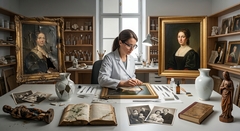
Damaged Doesn't Mean Gone: What Items Can Be Restored After a Disaster?
When a disaster strikes a home or business, it is easy to look at damaged belongings and assume they are gone for good.
A fire can leave clothing covered in smoke and soot. Water can soak furniture, documents, electronics, and photographs. Mold can affect fabrics and other porous materials. Storm damage can expose personal belongings to moisture, dirt, and debris.
But damaged doesn't always mean destroyed.
Many belongings that appear ruined after a disaster may still have restoration potential. Professional contents restoration gives homeowners and businesses an opportunity to have damaged items evaluated before deciding what needs to be discarded and what may be cleaned, restored, protected, or returned to service.
At CRDN Team Crouch, the restoration process starts with an important question:
What can we save?
That question matters because the contents of a home or business are more than objects. Clothing, furniture, electronics, artwork, documents, photographs, heirlooms, and everyday belongings can have significant financial, practical, and sentimental value.
Professional contents restoration focuses on identifying that value and determining whether an item has a realistic path toward recovery.
Damaged Doesn't Mean Gone: Why Restoration Should Come Before Replacement
After a major loss, homeowners may naturally think about replacing everything that looks damaged.
However, visible damage does not always tell the entire story.
An item may have:
Smoke residue on the surface but still be structurally sound
Water exposure that can be addressed through professional drying and cleaning
Odors that can potentially be removed
Soot contamination that requires specialized cleaning
Mold or moisture exposure that requires professional evaluation
Surface staining that may be treatable
Damage that can be addressed through specialized restoration techniques
Professional contents restoration is not simply about making an item look cleaner.
It involves evaluating the material, type of damage, contamination, condition, and appropriate restoration method before treatment begins.
CRDN Team Crouch provides contents cleaning, restoration, packout, and storage services for belongings affected by fire, water, mold, storms, and other disasters. Its process can include assessment, inventory, packout, specialized cleaning, storage, and pack-back.
What Items Can Be Restored After a Disaster?
There is no single answer because every loss is different.
The type of disaster, material, severity of damage, length of exposure, and condition of the item all influence whether restoration may be possible.
Here are some of the common categories of belongings that may be candidates for professional restoration.
1. Clothing and Textiles
Clothing is one of the most common categories affected by fire, smoke, water, and mold.
Smoke can leave behind strong odors and soot. Water can cause staining, discoloration, and deterioration. Moisture that remains trapped in fabrics can also create additional problems.
Depending on the material and type of damage, professional textile restoration may be able to address:
Clothing
Bedding
Blankets
Curtains
Linens
Rugs
Upholstery
Specialty fabrics
Leather garments
Heirloom textiles
CRDN Team Crouch specifically provides textile restoration for clothing and fabrics affected by fire, water, smoke, and mold.
The important thing is to avoid assuming that smoke-damaged or water-damaged clothing automatically needs to be replaced.
A professional evaluation can help determine what may be restored.
2. Furniture
Furniture can represent a significant financial investment, and some pieces may have sentimental value as well.
Wood furniture, upholstered furniture, leather furniture, tables, chairs, desks, dressers, and other household pieces can be affected by:
Smoke
Soot
Water
Odors
Mold
Firefighting moisture
Construction dust
Different materials respond differently to disaster conditions.
A wooden dresser, for example, cannot necessarily be treated in the same way as an upholstered sofa. Professional restoration evaluates the material and damage before selecting an appropriate cleaning or restoration process.
CRDN Team Crouch provides restoration and cleaning for hard furniture affected by smoke, water, and soot, along with specialized handling to help prevent additional damage.
3. Electronics
Electronics can be particularly complicated after a disaster.
Computers, televisions, phones, appliances, networking equipment, servers, and other electronic devices may be exposed to water, smoke, soot, heat, or corrosion.
That does not necessarily mean every electronic device is a total loss.
Professional electronics restoration can help determine whether equipment has restoration potential.
CRDN Team Crouch offers specialized electronic restoration and packout services, including recovery of computers, phones, network devices, and other technology affected by disaster conditions.
One important precaution is to avoid powering on water-exposed electronics simply to see if they still work.
Instead, have them professionally evaluated.
4. Documents and Books
Documents and books can be among the most emotionally and practically important belongings in a home or business.
Examples include:
Birth certificates
Financial records
Business documents
Family photographs
Books
Letters
Journals
Historical records
Important paperwork
Water exposure can cause pages to swell, stick together, stain, or deteriorate. Smoke and soot can also contaminate paper materials.
Depending on the circumstances, specialized document restoration may provide an opportunity to recover materials that could otherwise be considered lost.
CRDN Team Crouch offers document drying and restoration as part of its contents restoration capabilities.
5. Photographs and Sentimental Items
Some of the most important belongings after a disaster may have little monetary value.
A photograph from a wedding.
A child's artwork.
A handwritten letter.
A family recipe.
An inherited keepsake.
A military record.
A treasured book.
These items may be irreplaceable.
When sentimental belongings are damaged, homeowners should avoid assuming that visible damage means the item has no restoration potential.
Specialized restoration may provide an opportunity to preserve items that cannot simply be purchased again.
The first step is evaluation.
6. Artwork and Collectibles
Artwork, antiques, sculptures, collectibles, and specialty pieces may require highly careful handling after a disaster.
Smoke, soot, water, humidity, and improper cleaning can all create additional problems.
Aggressive DIY cleaning can sometimes cause more damage than the original contamination.
For this reason, valuable or delicate pieces should be professionally evaluated before restoration attempts are made.
CRDN Team Crouch provides fine art restoration and packout services as part of its specialized contents restoration capabilities.
7. Rugs, Drapery, and Upholstery
Soft furnishings can absorb smoke, odors, moisture, and contaminants.
Rugs, curtains, upholstered furniture, mattresses, and other textiles may require specialized cleaning and deodorization.
Simply spraying an air freshener over a smoke odor does not address the underlying contamination.
Professional textile restoration focuses on identifying the material and type of contamination so the appropriate restoration process can be selected.
8. Business Equipment and Commercial Contents
Disaster damage does not only affect homeowners.
Businesses can also have large quantities of contents that require evaluation and restoration.
Examples include:
Office furniture
Computers
Servers
Electronics
Documents
Equipment
Inventory
Filing cabinets
Specialized technology
School equipment
Medical or assisted-living contents
CRDN Team Crouch provides commercial contents restoration, packout, inventory management, electronic restoration, document restoration, textile restoration, and storage services.
For a business, restoring usable contents can also help reduce disruption while structural repairs are underway.
What Determines Whether an Item Can Be Restored?
Not every damaged item can be saved.
Professional restoration begins with evaluation because several factors can affect the outcome.
Type of Damage
Fire, smoke, water, mold, storm, and contamination damage can require very different approaches.
Material
Cotton, leather, wood, paper, metal, electronics, plastics, and upholstery all respond differently to damage and cleaning.
Severity
An item with limited surface contamination may have a different restoration outlook from an item that has been heavily burned or structurally compromised.
Length of Exposure
The longer an item remains exposed to moisture, smoke, humidity, or contamination, the greater the potential for deterioration.
Condition of the Item
An item's condition before the disaster can also matter.
Restoration Requirements
Some belongings require highly specialized equipment, processes, or expertise.
Cost and Practicality
In some cases, restoration may technically be possible but replacement may be more practical. The restoration process should help identify these situations rather than making assumptions at the beginning.
This is why professional contents restoration should begin with assessment rather than disposal.
How the Contents Restoration Process Works
When a disaster affects a property, handling hundreds or even thousands of belongings can quickly become overwhelming.
A structured restoration process can make the situation easier to manage.
1. Assessment
The restoration team evaluates the affected contents and identifies the type and extent of damage.
2. Inventory and Documentation
Belongings can be itemized, photographed, categorized, and documented.
CRDN Team Crouch uses detailed inventory logging and photo documentation as part of its contents packout process.
3. Contents Packout
When appropriate, damaged and unaffected belongings can be carefully packed and removed from the property.
This helps protect contents while structural restoration is taking place.
4. Transportation
Items are transported to an appropriate restoration or storage facility.
5. Cleaning and Restoration
Contents are evaluated and treated according to their material and type of damage.
CRDN Team Crouch's services include specialized techniques such as ultrasonic cleaning, odor treatment, freeze-drying for certain water-damaged documents or books, and HEPA vacuuming and dehumidification for appropriate applications.
6. Storage
Restored or pending-restoration contents may be stored in climate-controlled facilities.
7. Pack-Back
Once the property is ready, restored belongings can be returned and placed back into the home or business.
This creates a more organized path from damage to recovery.
Why You Should Not Throw Away Damaged Items Too Quickly
One of the biggest mistakes after a disaster is assuming that everything that looks damaged must immediately be discarded.
That decision can be difficult to reverse.
Before throwing away potentially valuable belongings, consider having them evaluated by a professional restoration company.
This is especially important for:
Family photographs
Important documents
Clothing
Heirlooms
Artwork
Collectibles
Electronics
Furniture
Business equipment
Sentimental belongings
The goal is not to save everything at any cost.
The goal is to determine what can realistically be saved before deciding what must be replaced.
Common Mistakes With Damaged Belongings
Cleaning Smoke-Damaged Items With Household Products
Soot and smoke residues may require specialized cleaning. Improper cleaning can spread residue or create additional staining.
Leaving Wet Items in Place
Continued exposure to moisture can increase deterioration and create additional complications.
Mixing Damaged and Undamaged Contents
Separating affected items from unaffected belongings can help reduce unnecessary exposure to contamination.
Turning On Water-Damaged Electronics
Electronics exposed to water should be professionally evaluated rather than immediately powered on.
Throwing Away Sentimental Items
A damaged photograph or heirloom may still have restoration potential.
Failing to Document the Damage
Photographs, inventory records, and documentation can help create a clear record of the loss.
Contents Packout: Protecting Belongings During Property Restoration
A damaged property may need demolition, drying, reconstruction, painting, flooring replacement, or other work.
That means your belongings may remain exposed to:
Construction dust
Moisture
Smoke residue
Odors
Debris
Humidity
Ongoing restoration activity
A professional contents packout removes belongings from the affected environment so they can be inventoried, transported, restored, and stored.
CRDN Team Crouch provides packout services that include detailed inventory, photographic documentation, custom packaging for fragile or high-value items, barcode tracking, transportation, and secure storage.
This can provide a much more controlled environment for the contents while the property itself is being repaired.
Why Climate-Controlled Storage Matters
Removing belongings from a damaged property is only part of the process.
They also need to be protected while restoration work continues.
CRDN Team Crouch provides climate-controlled storage designed to protect contents during the restoration process, with temperature and humidity controls and options for short- and long-term storage.
This can be particularly useful for:
Furniture
Clothing
Documents
Artwork
Electronics
Photographs
Collectibles
Wooden belongings
Storage also gives contractors more room to work on the damaged property without navigating around household or business contents.
What Should You Do If Your Belongings Are Damaged?
After emergency responders have addressed immediate safety concerns, take steps to protect the property and its contents.
1. Follow Safety Instructions
Do not enter an unsafe property simply to retrieve belongings.
2. Contact Your Insurance Carrier
Report the loss and understand the next steps for your claim.
3. Document What You Can Safely
Take photographs and videos of damaged areas and contents when it is safe to do so.
4. Avoid Unnecessary DIY Cleaning
Improper cleaning can sometimes make certain types of damage worse.
5. Do Not Assume Everything Is a Total Loss
Have potentially salvageable belongings professionally evaluated.
6. Consider a Professional Packout
If the property requires extensive restoration, removing contents may help protect them during reconstruction.
7. Keep Important Documentation
Maintain records of inventories, photographs, restoration work, and communications related to the loss.
Can Fire-Damaged Items Really Be Restored?
In many cases, yes.
Fire damage does not affect every item in the same way.
Some belongings may be directly damaged by flames or extreme heat and may not be restorable. Others may primarily have smoke, soot, odor, or water damage from firefighting efforts.
Professional fire damage contents restoration evaluates the condition of each item rather than treating every possession as a total loss.
CRDN Team Crouch's fire-related contents services can include smoke and soot cleaning, textile restoration, electronics restoration, document restoration, fine art restoration, odor treatment, storage, and pack-back services.
Can Water-Damaged Items Be Restored?
Water damage can be complicated because the type of water, material, length of exposure, and severity of damage all matter.
Furniture, clothing, documents, books, electronics, and other belongings may respond differently to water exposure.
Some items may be successfully dried and restored, while others may require replacement.
The key is professional evaluation.
CRDN Team Crouch provides water damage contents restoration and uses specialized restoration methods for appropriate materials and circumstances.
The Value of Restoring What Matters Most
The financial value of restoration is only one part of the equation.
Consider the value of something that cannot easily be replaced.
A wedding dress.
A family photo album.
A child's first drawings.
A grandfather's watch.
A handwritten family recipe.
A collection built over decades.
A business archive.
These belongings can carry memories and meaning that go far beyond their replacement cost.
That is why the question after a disaster should not simply be:
"How much will it cost to replace this?"
It can also be:
"Can this be restored?"
The CRDN Team Crouch Approach: Restore What Can Be Saved
At CRDN Team Crouch, contents restoration is built around preservation, documentation, specialized cleaning, and careful handling.
Our capabilities include:
Contents cleaning and restoration
Contents packout services
Textile restoration
Clothing restoration
Electronics restoration
Fine art restoration
Document drying and restoration
Fire damage contents restoration
Water damage contents restoration
Mold-related contents cleaning
Inventory management
Climate-controlled storage
Insurance documentation support
Pack-back services
CRDN Team Crouch serves residential and commercial clients and provides 24/7 emergency contents restoration services.
The objective is simple:
Restore what can be restored. Protect what can be protected. Replace what cannot be saved. Document the difference.
Damaged Doesn't Mean Gone: FAQs
What items can be restored after a disaster?
Potentially restorable items can include clothing, textiles, furniture, electronics, documents, books, photographs, artwork, collectibles, and other household or business contents. Restoration potential depends on the type, severity, and duration of the damage.
Is smoke-damaged clothing restorable?
In many cases, smoke-damaged clothing may be a candidate for professional textile restoration. The appropriate process depends on the fabric and extent of smoke, soot, odor, and other contamination.
Can water-damaged furniture be restored?
Some water-damaged furniture can potentially be cleaned, dried, and restored. The material, amount of water exposure, length of exposure, and condition of the furniture all need to be considered.
Can electronics damaged by water be saved?
Some electronics may have restoration potential, but water-exposed electronics should be professionally evaluated rather than powered on immediately.
Should I throw away damaged belongings after a fire?
Not necessarily. Some items that appear heavily damaged may still be candidates for professional restoration. When safe and practical, have valuable or sentimental belongings evaluated before disposing of them.
What is a contents packout?
A contents packout involves documenting, packing, removing, transporting, and storing belongings from a damaged property so they can be protected, cleaned, restored, or evaluated.
Why is a contents inventory important?
An inventory creates a structured record of belongings and their condition. It can include photographs, descriptions, quantities, locations, and restoration status, helping organize the contents recovery process.
Does CRDN Team Crouch restore artwork and documents?
Yes. CRDN Team Crouch provides fine art restoration and document drying and restoration as part of its specialized contents restoration services.
Does CRDN Team Crouch provide storage?
Yes. The company provides secure climate-controlled storage for contents during the restoration process, including short- and long-term storage options.
Don't Assume It's Lost Until It's Evaluated
A disaster can make a home or business feel completely different in a matter of minutes.
But damaged does not always mean gone.
Clothing may be restorable.
Furniture may be recoverable.
Documents may be salvageable.
Electronics may have restoration potential.
Photographs and heirlooms may be worth evaluating before they are discarded.
Professional contents restoration gives homeowners and businesses an opportunity to understand what can potentially be saved before making irreversible decisions.
At CRDN Team Crouch, we believe restoration should begin with one question:
What can we save?
Because restoring the building is only part of recovery.
The belongings inside it are part of what makes it a home, a business, and a life.
If your home or business has experienced fire, smoke, water, mold, storm, or other disaster damage, contact CRDN Team Crouch at (903) 908-1919 for 24/7 emergency contents restoration services. You can also learn more about the company's contents cleaning, restoration, packout, and storage services at www.crdntx.com.
CRDN Team Crouch — Restoring What Matters Most.
Categories
Recent Posts
-
September 22, 2026
Damaged Doesn't Mean Gone: What Items Can Be Restored After a Disaster?
-
September 15, 2026
Home Content Cleaning After Disaster: How Professional Contents Restoration Can Save What Matters Most
-
September 8, 2026
Fire Damage Restoration: A Complete Guide to Recovering Your Home and Belongings After a Fire