Home Content Cleaning After Disaster: How Professional Contents Restoration Can Save What Matters Most

A disaster can damage far more than the walls, floors, and ceilings of a home. Home content cleaning after disaster is often a critical part of recovery because personal belongings can be affected by smoke, soot, water, mold, odors, fire, and contaminated debris, even when they appear salvageable at first glance.
Furniture, clothing, electronics, photographs, documents, artwork, appliances, and everyday household belongings can all require specialized attention after a disaster. Simply wiping items down or moving them into another room may not be enough.
The good news is that damaged belongings are not automatically a total loss.
Professional contents cleaning and restoration helps homeowners determine what can be cleaned, restored, protected, stored, or replaced. The process combines careful inventory, specialized cleaning techniques, appropriate handling, and documentation to create a structured path toward recovery.
For homeowners facing the aftermath of a disaster, knowing what to do with the contents of the home can be just as important as knowing how to repair the building itself.
At CRDN Team Crouch, our approach is centered on one fundamental question:
What can we save?
That question can make a significant difference when a family is already dealing with the financial, emotional, and practical consequences of a disaster.
Home Content Cleaning After Disaster: Why Your Belongings Need More Than Basic Cleaning
Home content cleaning after disaster is different from ordinary household cleaning.
After a disaster, belongings may be exposed to substances or conditions they were never designed to withstand.
Depending on the event, contents may be affected by:
- Smoke and soot
- Fire and heat
- Water and excessive moisture
- Sewage or contaminated water
- Mold growth
- Dust and construction debris
- Persistent odors
- Chemicals and cleaning agents
- Corrosion
- Humidity and temperature changes
For example, a sofa affected by smoke may require a different treatment from clothing exposed to water. A laptop exposed to moisture cannot be treated like a wooden table. A family photograph affected by soot may require specialized handling to avoid permanently damaging the image.
This is why professional home contents cleaning services focus on identifying the material, type of contamination, severity of damage, and appropriate restoration method before treatment begins.
The objective is not simply to make belongings look clean.
The objective is to restore them safely and appropriately whenever restoration is possible.
What Types of Disasters Can Damage Home Contents?
Household belongings can be affected by many different types of disasters.
Fire and Smoke Damage
Fire can directly destroy belongings, while smoke and soot can contaminate items throughout an entire property.
Even contents located away from the room where the fire started may develop:
- Smoke odor
- Soot deposits
- Discoloration
- Residue
- Heat damage
Professional fire damage contents restoration can help determine whether furniture, clothing, electronics, documents, artwork, and other belongings can be recovered.
Water Damage
Water damage can result from:
- Burst pipes
- Appliance failures
- Roof leaks
- Flooding
- Sprinkler systems
- Firefighting efforts
Water can cause staining, swelling, warping, corrosion, mold growth, and deterioration.
Professional water damage contents restoration focuses on removing affected belongings from damaging conditions, assessing their condition, and determining the appropriate restoration process.
Storm Damage
Severe storms can introduce water, mud, debris, wind-driven rain, and other contaminants into a home.
Furniture, clothing, electronics, documents, and other possessions can become damaged even when the structural damage appears limited.
Mold and Moisture Damage
Mold can become a concern when contents remain wet or exposed to excessive humidity.
Porous materials can be particularly challenging because moisture may penetrate beneath the visible surface.
Addressing the source of moisture and properly evaluating affected contents is essential to prevent further deterioration.
How Professional Contents Cleaning and Restoration Works
A professional restoration process usually begins with assessment rather than cleaning.
This distinction matters.
Before attempting to clean hundreds of household belongings, restoration professionals need to understand what happened and how each category of contents was affected.
A typical process may include:
1. Assessment
The restoration team evaluates the property and its contents to determine the type and extent of damage.
2. Contents Inventory
Belongings are documented and categorized.
A detailed contents inventory may include descriptions, quantities, photographs, locations, conditions, and restoration status.
3. Packout
When appropriate, affected belongings are carefully removed from the property through contents packout services.
4. Transportation
Contents are transported to an appropriate restoration or storage facility.
5. Cleaning and Restoration
Items are treated according to their material and type of damage.
6. Storage
Restored or pending-restoration belongings may be placed in climate-controlled storage when appropriate.
7. Pack-Back
Once the property and contents are ready, belongings are returned and placed back into the home.
This process creates a much more organized recovery pathway than attempting to handle everything independently.
Why a Professional Contents Packout May Be Necessary
After a major disaster, leaving belongings inside the damaged property can expose them to additional risks.
For example, contents may continue to be affected by:
- Smoke residue
- Water
- Humidity
- Construction dust
- Mold
- Odors
- Debris
- Ongoing restoration activity
Contents packout services allow restoration professionals to carefully remove belongings so they can be evaluated, cleaned, restored, and protected.
A professional packout is more than putting household items into boxes.
It should involve documentation and organization throughout the process.
This can include:
- Photographing contents
- Creating an inventory
- Identifying damage
- Categorizing items
- Packing appropriately
- Labeling contents
- Tracking items
- Transporting them securely
- Documenting restoration status
For insurance-related losses, insurance packout services can also help create organized documentation that supports the broader claim process.
The Importance of Contents Inventory After a Disaster
Imagine trying to remember everything inside your home after a major fire or flood.
Furniture.
Clothing.
Kitchen equipment.
Electronics.
Books.
Photographs.
Documents.
Decorations.
Children's belongings.
Personal items.
It can quickly become overwhelming.
A professional contents inventory provides a structured record of what was present and what happened to it.
Documentation may help identify:
- What was damaged
- What can be restored
- What requires replacement
- What has already been restored
- What remains in storage
- What was not affected
This documentation can also be valuable when communicating with insurance professionals.
However, homeowners should understand that restoration professionals do not determine insurance coverage. Coverage decisions depend on the specific policy and the insurer handling the claim.
Can Water-Damaged or Fire-Damaged Contents Really Be Restored?
In many cases, yes.
One of the biggest misconceptions after a disaster is that anything visibly damaged must be thrown away.
That is not necessarily true.
Professional contents restoration evaluates whether an item can be recovered based on factors such as:
- Material
- Type of damage
- Severity of contamination
- Length of exposure
- Structural condition
- Odor
- Restoration requirements
- Cost and practicality of restoration
Some contents may be restored successfully even when they initially appear heavily damaged.
Others may not be economically or technically restorable.
The important point is that evaluation should come before disposal whenever circumstances allow.
This can be especially important for sentimental belongings that cannot simply be replaced.
Specialized Home Content Cleaning for Different Belongings
A home contains hundreds of different materials, which means there is no single cleaning process that works for everything.
Clothing and Textiles
Clothing can absorb smoke odors, soot, moisture, and other contaminants.
Professional textile restoration may be appropriate for:
- Clothing
- Bedding
- Curtains
- Rugs
- Linens
- Upholstery
The correct process depends on the fabric and type of damage.
Furniture
Wood, leather, upholstered, and composite furniture can all react differently to fire and water.
Professional furniture restoration focuses on minimizing additional damage while determining whether the piece can be cleaned or otherwise restored.
Electronics
Electronics are particularly sensitive to moisture, soot, corrosion, and heat.
Electronics restoration may be possible in certain circumstances, but damaged electronic equipment should be professionally evaluated rather than powered on immediately.
Documents and Books
Documents and books may suffer from water, smoke, soot, mold, or other contamination.
Professional document restoration can sometimes recover important records and personal materials that would otherwise be difficult or impossible to replace.
Artwork and Collectibles
Artwork, antiques, photographs, sculptures, and collectibles may require specialized handling.
Aggressive cleaning can cause irreversible damage, so these items should be evaluated before restoration attempts are made.
Smoke and Odor Removal From Household Contents
Smoke odor can be one of the most frustrating effects of a fire.
Even after visible soot has been removed, odors may remain trapped in porous materials.
This is why smoke odor removal should address the contamination itself rather than simply masking the smell with fragrances.
Materials that can retain smoke odors include:
- Clothing
- Upholstery
- Carpeting
- Wood
- Mattresses
- Drapery
- Paper
- Books
- Other porous contents
The U.S. Environmental Protection Agency notes that smoke can affect indoor air quality and that reducing exposure to smoke-related pollutants is important when dealing with smoke-affected environments. U.S. EPA – Wildfires and Indoor Air Quality
For contents restoration, that reinforces the importance of identifying and treating contamination rather than simply covering up unpleasant odors.
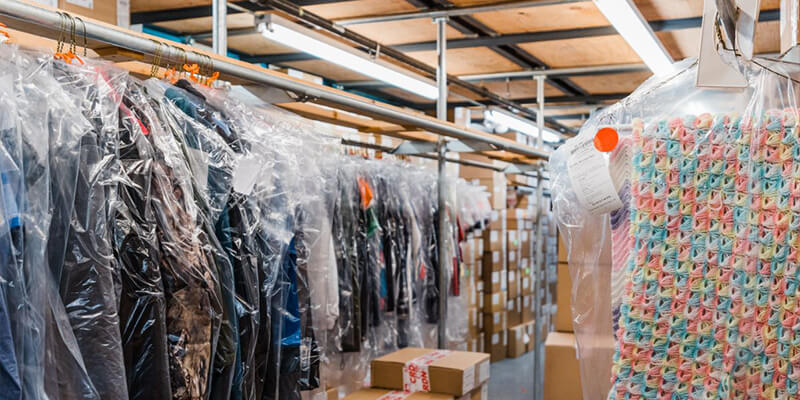
Why Climate-Controlled Storage Matters
Once contents have been removed from a damaged property, they still need to be protected.
This is where climate-controlled storage can become an important part of the restoration process.
Controlled storage can help protect belongings from environmental conditions that could cause additional deterioration.
This can be particularly important for:
- Furniture
- Textiles
- Artwork
- Documents
- Electronics
- Collectibles
- Photographs
- Wooden items
Storage also allows contractors to work on the damaged property without having to work around hundreds of household belongings.
For the homeowner, it creates a cleaner separation between property restoration and contents restoration.
How Contents Cleaning Works With an Insurance Claim
A disaster can generate a substantial amount of information that needs to be documented.
Depending on the circumstances, the process may involve:
- Contents inventory
- Photographs
- Damage documentation
- Restoration estimates
- Cleaning records
- Storage records
- Packout documentation
- Restoration status
- Replacement information
This is where professional insurance restoration services can provide valuable organizational support.
A restoration company can work with homeowners and other stakeholders to document the contents recovery process.
It is important, however, to distinguish between supporting an insurance claim and determining coverage.
The insurer ultimately determines coverage according to the applicable policy.
Good documentation simply helps ensure that everyone has a clearer understanding of the property and contents involved in the loss.
Common Mistakes Homeowners Make With Damaged Contents
Throwing Everything Away Immediately
Some belongings that appear ruined may still be restorable.
Whenever it is safe and practical, allow professionals to evaluate affected contents before disposing of them.
Cleaning Smoke-Damaged Items With Household Products
Improper cleaning methods can spread soot or cause additional staining and damage.
Leaving Wet Contents in Place
Extended exposure to moisture can increase deterioration and create additional problems.
Mixing Damaged and Undamaged Belongings
Keeping contaminated contents separate from unaffected belongings can help prevent unnecessary cross-contamination.
Turning On Water-Exposed Electronics
Electronics exposed to water or firefighting moisture should be professionally evaluated before being powered on.
Failing to Document Contents
Without an inventory and photographs, it can become difficult to establish what was present and what condition it was in.
Assuming Sentimental Items Cannot Be Saved
Photographs, clothing, documents, artwork, and heirlooms may sometimes be candidates for specialized restoration.
What Should You Do With Your Belongings After a Disaster?
After emergency responders have addressed immediate safety concerns, homeowners should focus on preventing additional damage.
A sensible recovery process includes:
1. Follow safety instructions.
Do not enter an unsafe property simply to retrieve belongings.
2. Contact your insurance carrier.
Report the loss and understand the claim process.
3. Document the damage.
Take photographs or videos when it is safe to do so.
4. Avoid unnecessary cleaning.
Improper cleaning can make some types of damage worse.
5. Separate unaffected contents when appropriate.
Protect belongings that were not exposed to contamination.
6. Have damaged contents professionally evaluated.
Determine what can potentially be restored before deciding what should be replaced.
7. Consider professional packout and storage.
Removing contents can protect them while structural restoration takes place.
The U.S. Fire Administration similarly advises homeowners recovering from a fire to consider safety, insurance, property documentation, and salvage as part of the recovery process. U.S. Fire Administration – Helping Community Residents After a Home Fire
Why Professional Home Content Cleaning Can Save More Than Money
The financial benefit of restoration is obvious: if an item can be successfully restored, replacement may not be necessary.
But there is another benefit that is harder to quantify.
Some things cannot simply be replaced.
A family photograph.
A wedding dress.
A handwritten letter.
A child's artwork.
A treasured book.
An heirloom passed down through generations.
A professional restoration process gives these belongings an opportunity to be evaluated before they are written off as losses.
That is one of the reasons contents restoration should be viewed as an important part of disaster recovery, not an optional add-on.
The CRDN Team Crouch Approach to Contents Restoration
At CRDN Team Crouch, we understand that when a disaster happens, the contents of a home represent much more than objects.
They represent people's lives.
Our approach to home content cleaning after disaster is built around careful assessment, documentation, specialized restoration, and protection.
Depending on the loss, our contents restoration process can involve:
- Contents inventory
- Contents packout services
- Insurance packout services
- Contents cleaning and restoration
- Fire damage contents restoration
- Water damage contents restoration
- Smoke damage restoration
- Textile restoration
- Electronics restoration
- Document restoration
- Fine art restoration
- Odor treatment
- Climate-controlled storage
- Pack-back services
The goal is straightforward:
Restore what can be restored. Replace what cannot. Document the difference.
This approach helps homeowners, insurers, adjusters, and restoration professionals work from the same information while giving damaged belongings the best possible opportunity for recovery.
Home Content Cleaning After Disaster FAQs
What is home content cleaning after a disaster?
Home content cleaning after a disaster is the professional assessment, cleaning, restoration, and protection of household belongings affected by events such as fire, smoke, water, storms, or other property damage.
Can household belongings damaged by fire be restored?
Many belongings can potentially be restored depending on the type and severity of fire, smoke, soot, heat, and water damage. Professional evaluation is recommended before assuming an item is a total loss.
What is a contents packout?
A contents packout involves carefully documenting, packing, removing, transporting, and storing belongings from a damaged property so they can be protected, cleaned, restored, or evaluated.
Why is a contents inventory important?
A contents inventory creates a documented record of belongings, their condition, and their restoration or replacement status. It can also help organize the contents portion of an insurance claim.
Can smoke-damaged clothing be restored?
In many circumstances, yes. Professional textile and clothing restoration can address smoke, soot, and odors depending on the type and condition of the garment.
Should I clean my belongings myself after a disaster?
It depends on the type of damage. DIY cleaning can sometimes cause additional damage, particularly with soot, delicate fabrics, artwork, documents, and contaminated materials. Professional assessment is generally the safer approach for significant losses.
Does contents restoration include storage?
It can. When appropriate, restored or pending-restoration contents may be placed in secure, climate-controlled storage while the property undergoes structural restoration.
Will contents restoration be covered by insurance?
Coverage depends on the specific insurance policy and circumstances of the loss. A restoration company can help document the contents and restoration process, but the insurance carrier determines coverage.
Don't Assume Everything Is Lost
A disaster can leave a home looking and feeling completely different.
But damaged does not always mean destroyed.
Home content cleaning after disaster gives homeowners an opportunity to evaluate their belongings before deciding what must be replaced. Through professional assessment, inventory, packout, specialized cleaning, restoration, and storage, many household possessions may have a path toward recovery.
At CRDN Team Crouch, we believe the restoration conversation should begin with what can be saved, not simply what needs to be thrown away.
Because restoring a home is important.
But restoring the belongings, memories, and personal possessions that make it your home matters too.
If your home has experienced fire, smoke, water, storm, or other disaster damage, contact CRDN Team Crouch at (903) 908-1919 or visit www.crdntx.com to discuss professional contents cleaning and restoration services.
CRDN Team Crouch — Restoring More Than Property.
Categories
Recent Posts
-
September 15, 2026
Home Content Cleaning After Disaster: How Professional Contents Restoration Can Save What Matters Most
-
September 8, 2026
Fire Damage Restoration: A Complete Guide to Recovering Your Home and Belongings After a Fire
-
September 3, 2026
Clothing Restoration After Fire and Water Damage: How Professional Restoration Can Save Your Wardrobe