Textile Restoration Services Across Arkansas, Louisiana, Tennessee, and Texas: Where to Get Help for Fire, Smoke, and Water-Damaged Fabrics
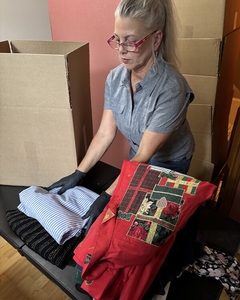
Textile Restoration Services play an important role in helping homeowners and businesses recover clothing, upholstery, curtains, bedding, and other valuable fabrics after fire, smoke, or water damage. When a property experiences a disaster, the damage often extends beyond the building itself. Smoke particles can settle into fabrics, soot can stain clothing and furniture, and water can leave textiles damp, contaminated, and vulnerable to mould.
For property owners across Arkansas, Louisiana, Tennessee, and Texas, knowing where to find professional textile restoration support can make the recovery process easier.
The challenge is that not every damaged fabric needs to be replaced. Some textiles can be professionally cleaned and restored, while others may require specialist treatment or replacement. The right decision depends on the fabric, the type of damage, the level of contamination, and how quickly the items receive attention.
CRDN Team Crouch supports contents restoration needs across its service areas, helping property owners navigate the recovery of belongings affected by unexpected property damage.
Whether you are dealing with smoke-damaged clothing in Memphis, water-damaged upholstery in Houston, or fire-affected household fabrics in Little Rock or the Ark-La-Tex region, understanding the textile restoration process is an important first step.
If your property has experienced fire, smoke, or water damage, contact CRDN Team Crouch at (903) 908-1919 to discuss your contents restoration needs.
Textile Restoration Services: What Property Owners Across Arkansas, Louisiana, Tennessee, and Texas Need to Know
Textile restoration services involve assessing, cleaning, treating, and recovering fabrics affected by property damage.
Unlike ordinary laundry or routine upholstery cleaning, professional textile restoration addresses more complex conditions, including smoke contamination, soot deposits, water exposure, unpleasant odours, and potential microbial growth.
The objective is to determine which textiles can be recovered, what treatment may be appropriate, and whether an item should be referred for specialist conservation or replaced.
Common items that may require textile restoration include:
- Clothing, jackets, suits, dresses, and uniforms.
- Curtains, drapes, and window coverings.
- Sofas, chairs, cushions, and upholstered furniture.
- Blankets, bedding, duvets, and household linens.
- Rugs, carpets, and decorative fabrics.
- Business uniforms and commercial textiles.
- Antique, sentimental, and specialty fabric items.
The restoration approach depends on the material. Cotton, wool, silk, linen, polyester, nylon, and blended fabrics all respond differently to moisture, heat, cleaning agents, and other treatments.
For example, a cotton shirt exposed to smoke may require a different treatment approach from a silk dress or a fabric-covered sofa.
This is why professional textile restoration begins with assessment rather than applying the same cleaning method to every affected item.
Why Textile Restoration Matters After Property Damage
When a fire, flood, or major water leak occurs, property owners often concentrate on structural repairs. However, the contents of the property can represent a significant financial and emotional loss.
Clothing, furniture, curtains, bedding, and decorative fabrics may have substantial replacement costs. Some items may also have sentimental value that cannot easily be measured financially.
Professional textile restoration helps establish whether these belongings can be recovered instead of automatically treating everything as a total loss.
The key is to assess the damage correctly and select an appropriate restoration pathway.
How Fire and Smoke Damage Affect Fabrics
Fire damage can extend throughout a property, even into rooms that were not directly affected by flames.
Smoke travels through buildings and can settle on clothing, curtains, upholstery, bedding, and other fabrics. Fine soot particles may also become embedded in textile surfaces and contribute to persistent odours.
Smoke Odour in Clothing and Upholstery
One of the most common problems after a fire is smoke odour.
Fabrics can absorb and retain smoke-related odours, particularly when they have extensive surface area, multiple layers, or porous construction.
Curtains, upholstered furniture, mattresses, and clothing may continue to smell long after the visible smoke has cleared.
Spraying air fresheners or applying fragrance does not necessarily remove the underlying contamination.
Professional smoke odour removal from fabrics requires an approach suited to the textile and the extent of exposure.
Soot Contamination
Soot consists of fine particles produced during combustion. It can settle on fabrics and leave dark stains or residues.
Rubbing soot into a textile may spread contamination and make cleaning more difficult.
Different fabrics require different handling and cleaning methods. A material that can tolerate one approach may be damaged by another.
Heat and Fibre Damage
High temperatures can cause fabrics to shrink, melt, scorch, discolour, or lose their structural strength.
Synthetic fibres may melt or become distorted, while natural fibres may become brittle or charred.
Where the fibres have suffered irreversible heat damage, professional cleaning cannot restore their original structure.
This is why fire-damaged textile restoration involves assessing both contamination and the physical condition of the fabric.
The U.S. Fire Administration's guidance on what to do after a fire provides useful information for property owners managing the immediate aftermath of a fire.
Water-Damaged Textile Restoration: What Happens to Fabrics After Flooding or Leaks?
Water damage can affect textiles in several ways, depending on the source of the water, the duration of exposure, and the material involved.
A burst pipe, leaking appliance, roof failure, storm, or flood can leave clothing, furniture, rugs, and bedding saturated.
Even when water appears clean, leaving textiles damp for extended periods can create conditions that encourage mould growth and material deterioration.
Mould and Mildew Risks
Damp fabrics provide an environment where mould can develop under suitable conditions.
Affected textiles may develop:
- Musty or unpleasant odours.
- Visible mould or mildew growth.
- Discolouration and spotting.
- Fibre deterioration.
- Persistent moisture-related contamination.
The U.S. Environmental Protection Agency's guide to mould and moisture in the home explains the importance of controlling moisture and addressing damp materials promptly.
For property owners, the lesson is straightforward: water-damaged fabrics should not be left unattended.
Staining and Discolouration
Water may carry dirt, rust, minerals, sewage, and other contaminants into fabrics.
As the material dries, these substances may leave stains or cause colour changes.
Some textiles may also develop watermarks, particularly when the fabric is delicate or has been exposed to uneven moisture.
Fibre Weakening
Prolonged moisture exposure can affect the strength and construction of certain fabrics.
Upholstered furniture presents an additional challenge because moisture may penetrate the visible fabric and reach the padding or internal structure.
Effective water damage textile cleaning therefore requires more than drying the surface. The material, moisture exposure, and contamination must all be considered.
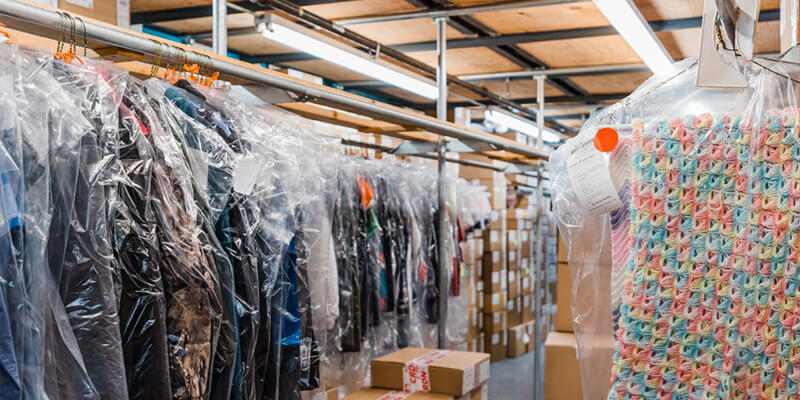
Why the Source of Water Matters
Not all water damage presents the same restoration conditions.
- Clean water: May come from a supply line or certain appliance leaks.
- Grey water: May contain contaminants from sources such as washing machines or dishwashers.
- Black water: May contain sewage, floodwater, or other potentially hazardous contaminants.
Textiles exposed to heavily contaminated water may not be suitable for restoration. Safety and contamination risks must be evaluated before any attempt is made to clean or reuse them.
Textile Restoration Services Across CRDN Team Crouch's Service Areas
Property damage can happen anywhere, and the need for contents restoration is not limited to one city or state.
CRDN Team Crouch supports contents restoration needs across multiple communities in Arkansas, Louisiana, Tennessee, and Texas.
Its service areas include:
1. Ark-La-Tex: Textile Restoration Support Across the Region
The Ark-La-Tex region includes communities across Arkansas, Louisiana, and Texas.
Property owners in this region may experience textile damage from residential fires, plumbing failures, severe weather, and other unexpected incidents.
When smoke or water affects clothing, upholstery, curtains, and household fabrics, a structured contents restoration process can help identify which items require assessment, cleaning, restoration, or specialist attention.
For homeowners and businesses managing significant property damage, contents packout coordination may also help organise affected belongings while repairs are underway.
2. Memphis and the MidSouth, Tennessee
In Memphis and surrounding MidSouth communities, property damage can affect both residential and commercial properties.
A fire in a home, apartment, or business can leave clothing, furniture, uniforms, and other textiles contaminated by smoke and soot.
Water leaks and flooding can also create problems for upholstered furniture, bedding, and other household contents.
Professional textile restoration assessment helps property owners understand their options before deciding which items should be replaced.
3. Little Rock, Arkansas
Homeowners and businesses in Little Rock may need contents restoration support following fires, water leaks, storm damage, or other property emergencies.
Textiles are particularly vulnerable because they can absorb smoke particles, retain moisture, and develop persistent odours.
Whether the affected items include clothing, curtains, upholstery, or household linens, proper assessment is an important part of determining the next steps.
4. Northwest Houston, Texas
Northwest Houston property owners may encounter textile damage following water intrusion, plumbing failures, storms, or fires.
Water-damaged furniture and household fabrics can be especially challenging because moisture may penetrate beyond the visible surface.
A structured contents restoration process helps organise affected belongings and determine which items may be suitable for further restoration.
5. Southwest Houston, Texas
In Southwest Houston, residential and commercial property damage can affect large quantities of personal and business contents.
Following a fire or water incident, clothing, furniture fabrics, curtains, bedding, and other textiles may require careful assessment.
Coordinating contents restoration alongside property repairs can help make the recovery process more organised.
Need help with damaged fabrics or household contents in one of these service areas?
Call CRDN Team Crouch at (903) 908-1919 to discuss your situation and the appropriate next steps.
Which Fabrics Can Professional Textile Restoration Recover?
Not every fabric responds to restoration in the same way. The material, construction, condition, and type of contamination all influence the outcome.
Here are some common categories that may require textile restoration.
Clothing and Personal Garments
Clothing is frequently affected by smoke, soot, and water after a property incident.
Shirts, trousers, dresses, jackets, suits, coats, and uniforms may be suitable for professional assessment and cleaning.
Clothing restoration can help recover garments that remain structurally sound and are appropriate for treatment.
However, garments that are severely scorched, melted, or contaminated may not be recoverable.
Upholstery and Furniture Fabrics
Sofas, armchairs, dining chairs, cushions, and other upholstered furniture can absorb smoke odours and moisture.
Because upholstery often contains multiple layers, contamination may extend into the padding and internal structure.
Upholstery restoration requires an assessment of the visible fabric, underlying materials, and extent of exposure.
Curtains and Drapery
Curtains and drapes can collect smoke, soot, dust, and moisture.
Their size, lining, fabric composition, and construction influence the cleaning approach.
Drapery restoration may help recover suitable window coverings following property damage.
Bedding and Household Linens
Blankets, duvets, sheets, pillowcases, and other household linens may become contaminated during fires or water incidents.
Because these items come into direct contact with the body, appropriate cleaning and hygiene considerations are essential.
Rugs, Tapestries, and Decorative Textiles
Rugs, tapestries, antique fabrics, and decorative textiles may require specialist treatment.
Where an item has historical, cultural, or significant financial value, a qualified textile conservator may be the most appropriate professional to consult.
How Professional Textile Restoration Services Work
Although the exact process varies according to the incident and the materials involved, professional contents restoration generally follows a structured sequence.
Step 1: Initial Assessment
The first step is identifying the type and extent of damage.
Professionals consider:
- The source of the damage.
- The fabric composition.
- The severity of smoke, soot, or water exposure.
- Visible staining and odours.
- The condition of the fibres.
- Potential contamination and safety concerns.
This assessment helps determine whether an item may be suitable for restoration.
Step 2: Contents Inventory and Documentation
When a property experiences significant damage, keeping track of affected belongings can become difficult.
A structured contents inventory helps identify items requiring attention and supports the wider recovery process.
Documentation may include item descriptions, photographs, quantities, and visible damage.
This information may also assist discussions with insurance adjusters.
It is important to understand that documentation supports the insurance process but does not guarantee coverage. The insurer determines coverage according to the policy and circumstances of the loss.
Step 3: Contents Packout
Where necessary, affected belongings may be packed and transported for further assessment, restoration, or storage.
Contents packout services involve organising, documenting, packing, and moving selected contents from a damaged property.
Appropriate handling is important because contaminated or weakened fabrics can sustain additional damage if moved carelessly.
For homeowners managing an insurance claim, coordinated insurance packout services can also help organise belongings while property repairs take place.
Step 4: Cleaning and Restoration
Once the appropriate treatment has been established, suitable cleaning and restoration methods can be applied.
Depending on the fabric and damage, this may involve:
- Fabric-appropriate cleaning.
- Removal of surface contaminants.
- Suitable deodorisation processes.
- Specialist treatment for delicate materials.
- Further assessment of stains and odours.
No single cleaning method works for every textile. Treatment must be selected according to the material and contamination.
Step 5: Storage and Pack-Back
After restoration, some contents may require appropriate storage while the property is repaired.
Suitable storage arrangements help protect recovered belongings until they can be returned.
Once the property is ready, the pack-back process helps organise the return of restored contents.
This final stage supports the transition from property damage recovery towards normal use of the home or business.
Textile Restoration vs. Replacement: Which Is the Better Option?
Replacing every damaged textile can be expensive, particularly when a fire or flood affects an entire property.
However, restoration is not always the most practical or safest option.
The decision should consider the item's condition, contamination, replacement cost, and restoration requirements.
| Consideration | Restoration May Be Appropriate | Replacement May Be Necessary |
|---|---|---|
| Fabric condition | Fibres remain structurally sound | Fibres are melted, charred, or severely weakened |
| Smoke exposure | Contamination can be appropriately treated | Damage cannot be adequately addressed |
| Water exposure | Material can be safely cleaned and dried | Contamination makes reuse unsafe |
| Mould | Item is suitable for specialist remediation | Contamination or deterioration cannot be safely managed |
| Financial value | Restoration is practical | Restoration costs exceed reasonable replacement value |
| Sentimental value | Specialist treatment may preserve the item | Item is beyond recoverable condition |
The best approach is to assess before deciding.
For antique, historic, or delicate textiles, specialist conservation advice may be necessary.
Common Mistakes to Avoid After Textile Damage
Some actions taken immediately after a fire or water incident can make textile damage worse.
Property owners should avoid these common mistakes:
Rubbing soot into fabric: This can spread particles and push contamination deeper into fibres.
Washing all affected clothing together: Different materials require different cleaning approaches, and mixing contaminated items may create additional problems.
Using fragrances to hide smoke odours: Air fresheners may mask smells without addressing the underlying contamination.
Leaving wet fabrics in piles: Damp textiles can develop mould and unpleasant odours if not handled appropriately.
Applying strong household chemicals: Unsuitable cleaning products can cause permanent discolouration, shrinkage, or fibre damage.
Discarding potentially recoverable belongings too quickly: Some damaged items may still be suitable for restoration. Consider an assessment before disposing of valuable or sentimental belongings.
Why Choose a Professional Contents Restoration Approach?
Property recovery can involve multiple contractors, insurance discussions, structural repairs, and decisions about damaged belongings.
A structured contents restoration approach helps bring organisation to what can otherwise become an overwhelming process.
For property owners, the benefits include:
- A more organised assessment of affected belongings.
- Better documentation of damaged contents.
- Appropriate handling of affected items.
- Identification of possible restoration options.
- Coordination of contents packout and storage where required.
- Support for the wider property recovery process.
CRDN Team Crouch understands that restoring a property also involves addressing the belongings inside it.
Its contents restoration focus helps property owners across its service areas navigate the process of managing affected possessions after unexpected damage.
Frequently Asked Questions About Textile Restoration Services
1. What are textile restoration services?
Textile restoration services involve assessing, cleaning, and treating fabrics damaged by fire, smoke, soot, water, or other contaminants. The objective is to recover suitable materials and identify items that require specialist conservation or replacement.
2. Where can I find textile restoration services in Arkansas, Louisiana, Tennessee, and Texas?
CRDN Team Crouch supports contents restoration needs across its service areas, including Ark-La-Tex, Little Rock, Memphis and the MidSouth, Northwest Houston, and Southwest Houston. Contact the team at (903) 908-1919 to discuss your location and requirements.
3. Can smoke-damaged clothing be restored?
Yes, some smoke-damaged clothing can be restored. The outcome depends on the fabric, severity of exposure, soot contamination, and whether the fibres have sustained permanent damage.
4. Can water-damaged upholstery be restored?
Some water-damaged upholstery can be restored. However, the type of water, extent of moisture penetration, fabric construction, and contamination level must be assessed before treatment.
5. How long does textile restoration take?
The timeframe depends on the number of affected items, severity of damage, fabric types, and treatment requirements. A property-wide contents restoration project will generally involve more work than restoring a small number of garments.
6. Does homeowners insurance cover textile restoration?
Some insurance policies may cover eligible contents restoration costs following a covered event. However, coverage depends on the policy, exclusions, deductible, and circumstances of the damage. The insurer makes the final coverage determination.
7. Can all fire- and water-damaged fabrics be saved?
No. Some fabrics may be successfully restored, while others may have irreversible heat damage, severe contamination, or deterioration. A professional assessment helps determine the most appropriate option.
8. What should I do immediately after discovering water-damaged fabrics?
Avoid leaving wet fabrics in piles or sealed containers for extended periods. Do not attempt aggressive cleaning, particularly if the water may be contaminated. Address the source of moisture safely and seek professional advice about handling and restoration.
9. Does textile restoration include curtains, rugs, and furniture?
These items may form part of a contents restoration assessment. Their suitability for restoration depends on the fabric, construction, damage, and specialist treatment required.
10. How do I contact CRDN Team Crouch?
Call (903) 908-1919 or visit www.crdntx.com to discuss your contents restoration needs.
Get Professional Textile Restoration Support Across Arkansas, Louisiana, Tennessee, and Texas
Fire, smoke, and water damage can affect far more than the structure of a property. Clothing, upholstery, curtains, bedding, rugs, and other household fabrics may also require attention.
The good news is that damaged textiles are not automatically beyond recovery. With appropriate assessment and the right restoration approach, some items may be cleaned and returned to use, helping property owners avoid unnecessary replacement costs.
Whether you are dealing with smoke-damaged clothing in Memphis, water-damaged furniture in Houston, or fire-affected household contents in Little Rock or the Ark-La-Tex region, understanding your restoration options is an important first step.
CRDN Team Crouch supports contents restoration needs across Arkansas, Louisiana, Tennessee, and Texas.
Do not assume your damaged belongings must be discarded before they have been assessed.
Contact CRDN Team Crouch today at (903) 908-1919 to discuss your contents restoration needs.
Visit www.crdntx.com to learn more.
Categories
Recent Posts
-
November 17, 2026
Textile Restoration Services Across Arkansas, Louisiana, Tennessee, and Texas: Where to Get Help for Fire, Smoke, and Water-Damaged Fabrics
-
November 12, 2026
Textile Restoration: Can Fire, Smoke, and Water-Damaged Fabrics Really Be Saved?
-
November 10, 2026
How to Restore Old Sculptures: Expert Techniques to Clean, Repair, and Preserve Valuable Artwork