Textile Restoration: Can Fire, Smoke, and Water-Damaged Fabrics Really Be Saved?
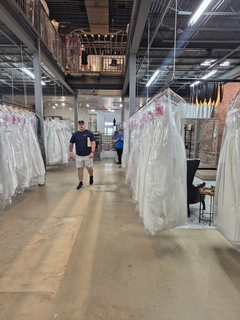
Textile Restoration can make the difference between throwing away valuable clothing, curtains, upholstery, bedding, and other household fabrics after a disaster and recovering items that may still have years of useful life. When fire, smoke, soot, or water damages a property, the destruction often extends beyond walls, floors, and furniture. Fabrics absorb contaminants, retain unpleasant odours, develop stains, and may deteriorate if they are not handled correctly.
But can fire-, smoke-, and water-damaged textiles really be saved?
In many cases, yes. The possibility of successful restoration depends on several factors, including the type of fabric, the extent of the damage, how long the material was exposed, and whether appropriate cleaning and restoration methods are used. Some items can be cleaned and returned to service, while others may require specialist treatment or replacement.
Understanding how professional textile restoration works can help homeowners, property managers, and insurance professionals make better decisions after property damage.
At CRDN Team Crouch, contents restoration is about more than recovering possessions. It is about helping people protect the belongings that matter to them and making the recovery process more manageable.
If your clothing, upholstery, curtains, or other household textiles have been affected by fire, smoke, or water damage, call CRDN Team Crouch at (903) 908-1919 to discuss your contents restoration needs.
What Is Textile Restoration?
Textile restoration is the professional assessment, cleaning, treatment, and recovery of fabrics and fabric-based belongings affected by damaging events such as fire, smoke, water intrusion, and other forms of property damage.
Unlike routine laundry or standard upholstery cleaning, textile restoration addresses damage caused by contaminants and environmental exposure. These conditions may require specialised assessment and carefully selected cleaning methods to avoid making the damage worse.
Common items that may require textile restoration include:
- Clothing, coats, suits, and uniforms.
- Curtains, drapes, and window coverings.
- Upholstered furniture and fabric-covered cushions.
- Bedding, blankets, duvets, and pillows.
- Rugs, carpets, and decorative textiles.
- Tablecloths, linens, and household fabrics.
- Certain delicate, antique, or valuable textile items.
The restoration process is not identical for every material. Cotton, wool, silk, linen, polyester, nylon, and blended fabrics respond differently to moisture, heat, cleaning agents, and other treatments.
For example, a cotton bedsheet exposed to smoke may require a different treatment approach from a silk garment or an upholstered chair. Applying the wrong cleaning method can cause colour bleeding, shrinkage, distortion, or permanent fibre damage.
The goal of professional textile restoration is to determine what can realistically be recovered and identify the safest approach for each item.
Can Fire, Smoke, and Water-Damaged Textiles Really Be Saved?
Yes, many fire-, smoke-, and water-damaged textiles can be restored, but recovery is never guaranteed.
The outcome depends on the nature and severity of the damage. A fabric exposed to light smoke for a short period may have a better restoration outlook than one heavily contaminated by soot or exposed to extreme heat.
Similarly, clean water damage may present different restoration challenges from flooding involving sewage, chemicals, or other contaminants.
Before deciding whether to restore or replace an item, professionals consider:
1. Fabric composition: Natural and synthetic fibres react differently to heat, moisture, chemicals, and cleaning processes.
2. Type of damage: Smoke, soot, water, mould, and heat can affect fabrics in different ways.
3. Exposure time: The longer contaminants remain on or within a textile, the more difficult recovery may become.
4. Existing condition: Older, weakened, faded, or previously damaged fabrics may be more difficult to restore.
5. Sentimental or financial value: Some items may justify specialist conservation even when ordinary restoration is not suitable.
A proper assessment helps establish whether cleaning, deodorisation, specialist conservation, or replacement is the most appropriate option.
The important thing is not to assume that every damaged fabric must be discarded. Equally, it is important not to assume that every item can be saved.
How Fire and Smoke Damage Affect Fabrics
Fire damage does not stop at the point where flames are extinguished. Smoke and soot can spread throughout a property, settling on clothing, furniture, curtains, bedding, and other household contents.
Even rooms that were not directly affected by flames may contain smoke-contaminated textiles.
Smoke Odour Absorption
Fabrics are particularly vulnerable to smoke odours because their fibres and construction can trap airborne particles and residues.
Curtains, upholstered furniture, clothing, and bedding may retain unpleasant smells long after the visible smoke has cleared.
Simply airing out these items or spraying them with fragrance does not necessarily remove the underlying contamination.
Smoke odour removal from fabrics requires an approach suited to the material and the type of smoke exposure.
Soot Contamination
Soot consists of fine particles produced during incomplete combustion. It can settle on fabric surfaces and become embedded in fibres.
Attempting to rub or wipe soot from textiles without understanding the appropriate handling method can spread contamination and make staining more difficult to remove.
Professional assessment helps determine how to handle and clean affected materials without unnecessarily damaging them.
Heat and Fibre Damage
Direct exposure to flames or high temperatures can weaken, scorch, shrink, melt, or discolour fabrics.
Synthetic materials may melt or become distorted, while natural fibres can become brittle or charred.
Where the fibre structure has been permanently damaged, cleaning alone cannot restore the original condition.
This is why fire-damaged textile restoration begins with an assessment of both visible damage and the condition of the material itself.
The U.S. Fire Administration's guidance on what to do after a fire provides useful advice for property owners navigating the immediate aftermath of a fire.
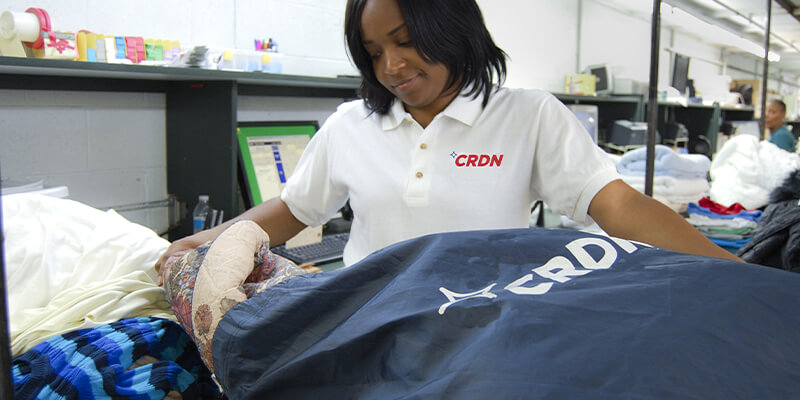
How Water Damage Affects Textiles
Water damage presents a different set of challenges.
A burst pipe, leaking appliance, roof failure, storm, or flood can expose fabrics to significant amounts of moisture. Even when the water initially appears harmless, prolonged dampness can create conditions that encourage mould growth and material deterioration.
Mould and Mildew Development
One of the biggest concerns with water-damaged textiles is mould.
When fabrics remain damp, mould can develop depending on moisture levels, temperature, and the surrounding environment. This can cause musty odours, visible spotting, discolouration, and deterioration.
The U.S. Environmental Protection Agency's guide to mould and moisture in the home explains why controlling moisture and addressing damp materials promptly are important steps in preventing mould problems.
Staining and Discolouration
Water can cause visible stains, especially when it carries dirt, minerals, rust, or other contaminants.
Some fabrics may also develop watermarks or colour changes as they dry.
In certain situations, stains become more difficult to remove if the material is left untreated for too long.
Fibre Weakening and Fabric Distortion
Extended exposure to moisture can weaken some fibres, affect fabric construction, and cause shrinkage or stretching.
Items such as upholstered furniture, mattresses, rugs, and heavy curtains can be particularly challenging because moisture may remain trapped beneath the visible surface.
Water damage textile cleaning therefore involves more than simply drying the material. The type of water, level of contamination, extent of saturation, and condition of the fabric must all be considered.
Why the Type of Water Matters
Not all water damage is the same.
- Clean water: May come from a supply line or certain appliance leaks.
- Grey water: May contain contaminants from sources such as washing machines or dishwashers.
- Black water: May contain sewage, floodwater, or other potentially hazardous contaminants.
Textiles exposed to heavily contaminated water may not be suitable for restoration, particularly where health and safety risks cannot be adequately addressed.
Professional assessment is essential before attempting to clean or reuse affected items.
Which Fabrics Can Be Restored After Fire, Smoke, or Water Damage?
The restoration potential of a textile depends on its composition, construction, condition, and exposure history.
Here are some common categories.
1. Clothing and Personal Garments
Clothing is among the most frequently affected categories of household contents after a fire or water incident.
Shirts, trousers, dresses, suits, jackets, coats, and uniforms may absorb smoke, develop soot stains, or become contaminated by water.
Clothing restoration may help recover garments that are otherwise in good structural condition.
However, delicate fabrics, garments with special finishes, and items exposed to severe heat may require specialist treatment or replacement.
2. Upholstery and Furniture Fabrics
Sofas, armchairs, dining chairs, cushions, and other upholstered furniture can absorb smoke odours and moisture.
Because upholstered furniture contains several layers of material, contamination may extend beyond the visible fabric into the padding and internal structure.
Upholstery restoration requires careful consideration of the fabric, filling, construction, and extent of contamination.
In some situations, restoring the visible surface alone may not adequately address the problem.
3. Curtains and Drapery
Curtains and drapes can collect smoke particles, soot, dust, and moisture.
Their size, lining, construction, and fabric composition can make restoration more complicated than ordinary washing.
Drapery restoration aims to assess the material and determine whether appropriate cleaning and treatment can recover its appearance and usability.
4. Bedding and Household Linens
Blankets, sheets, pillowcases, duvets, comforters, and other household linens may be affected by smoke or water damage.
These items come into direct contact with the body, making appropriate cleaning and hygiene considerations particularly important.
The restoration decision should account for the type of contamination and whether the material can be safely returned to use.
5. Rugs, Tapestries, and Decorative Textiles
Some rugs and decorative fabrics may have significant financial, cultural, or sentimental value.
Handwoven textiles, antique rugs, tapestries, and delicate decorative materials may require specialist textile conservation rather than conventional cleaning.
For valuable or fragile items, consultation with a qualified textile conservator is advisable before treatment.
The Professional Textile Restoration Process: What Happens to Damaged Fabrics?
Professional textile restoration follows a structured process designed to assess damage, protect affected items, and determine the most appropriate recovery options.
Although procedures vary depending on the incident and material, the process generally involves several stages.
Step 1: Assessment and Damage Identification
The first step is understanding what happened to the textiles.
Professionals consider:
- Whether the damage resulted from fire, smoke, water, or a combination.
- The type of fabric and its construction.
- The severity and duration of exposure.
- Visible staining, odours, and physical deterioration.
- Whether contamination creates health or safety concerns.
This assessment helps determine which items may be suitable for restoration and which may require specialist attention or replacement.
Step 2: Inventory and Documentation
When a property experiences significant damage, keeping track of affected belongings can quickly become difficult.
A structured contents inventory helps identify items requiring attention and supports the wider property recovery process.
Documentation may include descriptions, photographs, quantities, visible damage, and other relevant details.
This information can also assist communication with insurance adjusters during the claims process.
It is important to remember that the insurer determines coverage based on the policy. Restoration documentation can support the claims process, but it does not guarantee reimbursement.
Step 3: Careful Handling and Packout
When affected textiles cannot be safely or effectively restored at the property, a professional contents packout may be appropriate.
Contents packout services involve identifying, documenting, packing, and transporting selected belongings for further assessment, cleaning, restoration, or storage.
Proper handling matters because damaged textiles can be fragile. Moving them without appropriate care may spread soot, transfer moisture, or cause additional physical damage.
For homeowners dealing with extensive property damage, coordinated insurance packout services can also help organise affected belongings while repair work takes place.
Step 4: Cleaning and Restoration Treatment
Once the appropriate treatment has been identified, cleaning and restoration can begin.
The methods used depend on the material and contamination involved.
Possible approaches may include:
- Fabric-appropriate cleaning.
- Removal of surface contaminants.
- Suitable deodorisation processes.
- Specialist treatment for delicate materials.
- Assessment of remaining stains and odours.
Not every textile can tolerate the same treatment. Temperature, moisture, chemicals, and mechanical action must be considered carefully.
The objective is to recover the material where reasonably possible without creating further damage.
Step 5: Drying and Appropriate Storage
After cleaning or treatment, textiles may require controlled drying and suitable storage.
This is particularly important for items affected by water damage.
Storing damp fabrics can create conditions that encourage mould growth and unpleasant odours.
Where items require off-site holding during property repairs, appropriate storage arrangements help protect them until they can be returned.
Step 6: Final Assessment and Return
Before restored contents are returned, their condition should be reviewed against the original assessment and restoration requirements.
Depending on the scope of work, this may include checking cleanliness, appearance, odour, and any remaining limitations.
Once the property is ready, restored belongings can be organised for return through the relevant pack-back process.
For property owners, this final stage is about more than receiving cleaned items. It is an important part of making the home or business functional again.
Textile Restoration vs. Replacement: How Do You Decide?
One of the most difficult decisions after property damage is determining whether an item should be restored or replaced.
Replacing every affected textile can be expensive, especially when an incident affects an entire household or commercial property.
However, restoration is not always the right answer.
The decision should consider:
| Factor | Restoration May Be Appropriate When | Replacement May Be Necessary When |
|---|---|---|
| Fabric condition | Fibres remain structurally sound | Fibres are severely weakened, melted, or charred |
| Smoke damage | Contamination can be appropriately treated | Damage is severe or cannot be adequately addressed |
| Water exposure | Material can be safely cleaned and dried | Contamination or deterioration makes reuse unsafe |
| Mould | The item is suitable for appropriate remediation | Growth or contamination cannot be safely addressed |
| Financial value | Restoration is practical and worthwhile | Restoration is uneconomical |
| Sentimental value | Specialist treatment may preserve the item | The item is beyond recoverable condition |
A professional assessment can help property owners understand their options before making expensive replacement decisions.
For antique, historic, or highly valuable textiles, a qualified conservator should be consulted where specialist conservation is required.
Common Mistakes to Avoid When Handling Damaged Textiles
What happens immediately after a fire or water incident can influence the restoration outcome.
Some well-intentioned actions may make the damage worse.
1. Rubbing Soot into Fabric
Rubbing contaminated fabric can spread soot and push particles deeper into the material.
Avoid aggressive brushing or wiping before the appropriate handling method has been established.
2. Washing Everything Together
Different fabrics require different cleaning approaches.
Combining contaminated garments with unaffected clothing can spread residues and create additional cleaning challenges.
3. Using Fragrances to Mask Smoke Odours
Air fresheners and scented sprays may temporarily cover unpleasant smells without addressing the underlying contamination.
Proper assessment and suitable deodorisation are more effective approaches.
4. Leaving Wet Fabrics in Bags or Piles
Damp textiles left without appropriate ventilation can create conditions that encourage mould and mildew.
Avoid sealing wet fabrics in plastic bags for extended periods unless a professional has specifically advised that handling method.
5. Applying Household Cleaning Products Without Testing
Bleach, detergents, stain removers, and other household products may cause discolouration, fibre damage, or chemical reactions.
The safest approach depends on the material and type of contamination.
6. Discarding Everything Before an Assessment
Some items that appear damaged may still be suitable for restoration.
Before disposing of valuable, sentimental, or potentially recoverable belongings, consider obtaining a professional assessment.
When Should You Contact a Textile Restoration Professional?
You should consider professional textile restoration when:
- Smoke odour remains in clothing, curtains, or upholstery after a fire.
- Soot has settled on fabrics throughout your property.
- Water has saturated furniture, bedding, clothing, or rugs.
- Textiles have developed musty smells or visible signs of mould.
- Large quantities of household contents have been affected.
- You need an organised contents inventory for an insurance claim.
- Valuable or sentimental textiles require careful assessment.
- You are unsure whether damaged fabrics should be restored or replaced.
Early assessment can help establish the right recovery plan and reduce the risk of avoidable secondary damage.
If your property has experienced fire, smoke, or water damage, contact CRDN Team Crouch at (903) 908-1919 to discuss your contents restoration requirements.
How CRDN Team Crouch Supports Contents Restoration After Property Damage
Recovering from property damage involves more than repairing the building. Clothing, furniture, curtains, household linens, and other personal belongings may also need attention.
CRDN Team Crouch supports the contents restoration process by helping property owners manage affected belongings as part of their wider recovery.
Depending on the incident and scope of work, contents restoration support may involve:
Contents assessment and organisation: Identifying affected belongings and helping establish which items require further attention.
Inventory and documentation: Organising information about damaged contents to support the recovery and insurance documentation process.
Contents packout coordination: Helping manage the careful handling, packing, and movement of affected belongings where off-site restoration or storage is appropriate.
Cleaning and restoration coordination: Supporting the appropriate restoration pathway for affected contents, based on material type and damage conditions.
Storage and pack-back: Helping manage belongings during property repairs and supporting their organised return when the property is ready.
Every property damage incident is different. The appropriate scope of restoration depends on the condition of the contents, the type of contamination, and the specialist treatment required.
CRDN Team Crouch's focus is on helping homeowners and businesses navigate contents recovery with a structured, considered approach.
Have fire, smoke, or water damage affected your fabrics and household belongings?
Call (903) 908-1919 to speak with CRDN Team Crouch about your contents restoration needs.
You can also visit www.crdntx.com to learn more.
Frequently Asked Questions About Textile Restoration
1. What is textile restoration?
Textile restoration is the assessment, cleaning, treatment, and recovery of fabrics affected by damage such as fire, smoke, soot, and water. It aims to recover suitable materials while determining which items require specialist conservation or replacement.
2. Can smoke-damaged clothing be restored?
Yes, some smoke-damaged clothing can be restored. The outcome depends on the fabric, level of soot contamination, smoke exposure, and physical condition of the garment. Severely scorched or structurally damaged clothing may not be recoverable.
3. Can water-damaged upholstery be restored?
Some water-damaged upholstery can be restored, but the decision depends on the type of water, how deeply moisture has penetrated, the upholstery material, and whether contamination or mould is present. Upholstered furniture may contain internal layers that require separate assessment.
4. How long does textile restoration take?
The timeframe depends on the number of affected items, the severity of the damage, fabric types, treatment requirements, and the scope of restoration. A small number of garments may require less time than a property-wide contents restoration project.
5. Does textile restoration remove smoke odours completely?
Appropriate professional treatment can significantly reduce or remove smoke odours from suitable textiles. However, results depend on the severity of exposure, fabric construction, and whether the material has sustained permanent damage. Complete odour removal cannot be guaranteed for every item.
6. Can mould-damaged fabrics be restored?
Some mould-affected textiles may be suitable for specialist remediation, but others may need to be discarded. The decision depends on the extent of growth, material condition, contamination, and whether the item can be safely treated.
7. Is textile restoration covered by homeowners insurance?
Some property insurance policies may cover eligible contents restoration costs following covered events. However, coverage varies according to policy terms, exclusions, deductibles, and the circumstances of the loss. The insurance company determines coverage.
8. Should I clean fire-damaged fabrics myself?
It is best to avoid aggressive cleaning before the damage has been assessed. Rubbing soot, using unsuitable cleaning chemicals, or washing different contaminated materials together can make recovery more difficult.
9. What is the difference between textile restoration and fabric cleaning?
Routine fabric cleaning generally addresses everyday dirt, stains, and odours. Textile restoration deals with more complex damage caused by events such as fire, smoke, soot, and water exposure, often requiring a more detailed assessment and specialised handling.
10. Who should I contact for textile restoration after property damage?
Contact a contents restoration professional who can help assess affected belongings and establish the appropriate recovery process. For contents restoration enquiries, call CRDN Team Crouch at (903) 908-1919 or visit www.crdntx.com.
Don't Assume Your Damaged Fabrics Are Beyond Saving
Fire, smoke, and water damage can leave clothing, upholstery, curtains, bedding, and other textiles looking and smelling beyond recovery. But visible damage does not always tell the full story.
Textile restoration provides a way to assess affected fabrics, identify suitable recovery options, and make informed decisions about what can be restored and what should be replaced.
The sooner affected contents are assessed, the sooner a practical recovery plan can be established.
Whether you are dealing with smoke-damaged clothing, water-damaged upholstery, soot-contaminated curtains, or a large number of affected household belongings, the right restoration approach can help simplify the process.
At CRDN Team Crouch, we understand that the contents of a property are more than objects. They are part of the spaces people live and work in every day.
Need help after fire, smoke, or water damage?
Call CRDN Team Crouch today at (903) 908-1919 to discuss your contents restoration needs.
Visit www.crdntx.com to learn more about how we support property owners through the contents restoration process.
Categories
Recent Posts
-
November 12, 2026
Textile Restoration: Can Fire, Smoke, and Water-Damaged Fabrics Really Be Saved?
-
November 10, 2026
How to Restore Old Sculptures: Expert Techniques to Clean, Repair, and Preserve Valuable Artwork
-
November 5, 2026
Can a Fire-Damaged Sculpture Be Restored? What to Do Before It's Too Late