How to Restore Old Sculptures: Expert Techniques to Clean, Repair, and Preserve Valuable Artwork
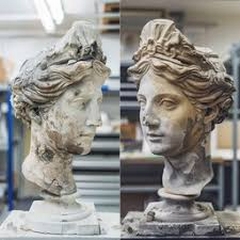
How to restore old sculptures is a question many homeowners, art collectors, property managers, and businesses ask when valuable artwork begins to show signs of ageing, discoloration, cracking, or environmental damage.
Over time, sculptures can accumulate dust, dirt, oxidation, stains, and other surface contaminants. Exposure to sunlight, moisture, temperature changes, smoke, and physical impact can also affect their appearance and structural condition. While some deterioration may be addressed through careful cleaning and maintenance, other problems require professional sculpture restoration.
The challenge is knowing what to do without causing further damage.
A bronze sculpture covered in oxidation requires a different approach from a marble statue with surface staining. A wooden carving affected by moisture cannot be treated in the same way as a ceramic sculpture with a cracked section. Using the wrong cleaning product or attempting an unsuitable repair can permanently alter an artwork's original surface.
The good news is that an old or weathered sculpture is not necessarily beyond recovery. With proper assessment, appropriate restoration techniques, and suitable preservation measures, many sculptures can be cleaned, stabilized, and protected for continued enjoyment.
At CRDN Team Crouch, contents restoration is about helping property owners protect and recover valuable belongings affected by damage. Understanding how sculptures deteriorate and how they should be handled is an important part of protecting artwork during property restoration.
In this guide, we explain how to restore old sculptures, how to clean different sculpture materials, which restoration mistakes to avoid, and when professional assistance is necessary.
If you have an old, stained, or damaged sculpture that needs attention, contact CRDN Team Crouch at (903) 908-1919 to discuss your contents restoration needs.
How to Restore Old Sculptures: Understanding the Material Before You Begin
The first step in learning how to restore old sculptures is identifying what the sculpture is made from.
Different materials respond differently to moisture, cleaning products, physical handling, and environmental conditions. A technique that works for one sculpture could permanently damage another.
Before attempting any restoration, establish the material, condition, and finish of the artwork.
1. Bronze Sculptures
Bronze is commonly used for decorative statues, memorials, garden sculptures, and collectible artwork.
Over time, bronze can develop a patina, which is a surface layer formed through chemical reactions with the environment. This may appear green, brown, or darker depending on the alloy and exposure conditions.
Importantly, patina is not necessarily dirt or damage. It can be an intentional or historically significant feature of the sculpture.
Bronze sculpture restoration should therefore focus on preserving the original surface rather than making the object look artificially polished.
2. Marble and Stone Sculptures
Marble and stone sculptures are valued for their appearance, durability, and artistic detail.
However, stone can be porous and vulnerable to staining, environmental deposits, moisture, and physical deterioration.
Older stone sculptures may develop:
- Surface discoloration.
- Biological growth.
- Cracks and fractures.
- Deposits from environmental exposure.
- Surface erosion.
- Damage caused by inappropriate previous cleaning.
Marble sculpture restoration requires particular care because aggressive cleaning can remove the original surface or alter fine details.
3. Wooden Sculptures
Wooden sculptures are especially sensitive to moisture and environmental changes.
Over time, wood can shrink, swell, crack, warp, or deteriorate. Smoke exposure can also leave persistent odors, while insects and biological growth may affect the material.
Wooden sculpture restoration requires an understanding of the wood species, surface finish, previous treatments, and extent of deterioration.
4. Ceramic Sculptures
Ceramic sculptures can develop chips, cracks, broken sections, and damaged decorative finishes.
Some ceramic objects may be suitable for careful cleaning and repair, but the condition of the glaze, underlying material, and previous repairs must be considered.
5. Mixed-Media Sculptures
Modern artwork may combine metal, wood, glass, stone, resin, textiles, and other materials.
These sculptures require particularly careful assessment because each component may react differently to cleaning products and environmental conditions.
The most important rule: Never assume that all sculptures can be cleaned using the same method.
Step 1: Assess the Sculpture's Condition Before Cleaning
Before attempting to restore an old sculpture, inspect its condition carefully.
The purpose of an initial assessment is to identify existing damage and determine whether cleaning is appropriate.
Look for:
- Cracks or fractures.
- Loose or detached components.
- Discoloration.
- Surface deposits.
- Signs of corrosion or oxidation.
- Peeling or deteriorating finishes.
- Water stains.
- Smoke or soot contamination.
- Evidence of previous repairs.
Photograph the sculpture from different angles before starting any work.
This provides a visual record of its original condition and makes it easier to identify changes during restoration.
For valuable, antique, or historically significant sculptures, avoid attempting repairs before consulting a qualified art conservator.
Why Assessment Matters
A sculpture may appear dirty when the actual problem is deterioration of its original finish.
For example, what looks like green staining on a bronze statue may be part of its natural patina. Removing it aggressively could permanently alter the artwork.
Similarly, white deposits on stone may have different causes and may require different treatments.
A proper assessment helps distinguish between removable contamination and changes that should be preserved.
Step 2: How to Clean Old Sculptures Without Causing Damage
Cleaning is often the first thing people consider when restoring old sculptures. However, the cleaning method must be appropriate for the material and the condition of the artwork.
Removing Loose Dust and Surface Dirt
For a stable, modern decorative sculpture with no fragile finishes or loose components, gentle removal of loose dust may be appropriate.
However, delicate, antique, painted, or deteriorating sculptures should not be brushed or wiped without professional advice.
Dust can contain abrasive particles, and even gentle handling may damage weakened surfaces.
Avoid Aggressive Cleaning Products
One of the most common mistakes in sculpture cleaning is using household chemicals without understanding how they interact with the material.
Avoid automatically applying:
- Bleach.
- Strong detergents.
- Acidic cleaners.
- Abrasive powders.
- Metal polishes.
- Household solvents.
- Pressure washing.
These products or methods can cause discoloration, corrosion, surface erosion, and permanent damage.
Why Professional Sculpture Cleaning Matters
Professional sculpture cleaning begins with identifying the nature of the contamination.
A specialist may need to distinguish between:
- Ordinary surface dust.
- Environmental deposits.
- Corrosion products.
- Biological growth.
- Smoke residue.
- Water-related staining.
- Deteriorating original finishes.
Each condition requires a different assessment.
The Smithsonian Museum Conservation Institute provides scientific resources on the examination, treatment, and preservation of cultural objects. Its conservation work illustrates why cleaning valuable artwork requires an understanding of the materials involved.
If a sculpture has significant artistic, historical, or financial value, professional assessment is preferable to experimenting with cleaning methods.
Step 3: How to Restore Bronze Sculptures
Bronze sculptures can develop surface deposits and changes in appearance after years of environmental exposure.
However, the presence of oxidation does not automatically mean the sculpture requires aggressive treatment.
Understanding Bronze Patina
Patina is a surface layer that develops through interactions between bronze and its environment.
Some patinas are naturally formed, while others are deliberately applied by the artist or manufacturer.
Before cleaning a bronze sculpture, determine whether the surface coloration is part of its intended appearance.
Addressing Surface Contamination
Where appropriate, restoration may involve carefully removing loose contaminants and evaluating areas affected by corrosion.
However, excessive polishing can remove patina and alter the original finish.
Preserving the Surface
After appropriate treatment, the sculpture may require suitable environmental protection.
Outdoor bronze sculptures may need different maintenance considerations from bronze artwork displayed indoors.
The objective is to preserve the sculpture's appearance and material integrity rather than make it look artificially new.
Step 4: How to Restore Marble and Stone Sculptures
Marble and stone sculptures can accumulate dirt, environmental deposits, stains, and biological growth over time.
Although stone may appear strong, its surface can be sensitive to inappropriate cleaning.
Identify the Type of Stone
Different stones have different properties.
Marble, limestone, sandstone, and granite do not respond identically to moisture and cleaning products.
For example, acidic cleaning products can damage calcium-based stones such as marble and limestone.
Evaluate Stains and Surface Deposits
Before attempting to remove discoloration, determine what caused it.
Possible causes include:
- Water penetration.
- Environmental pollution.
- Metal corrosion.
- Biological growth.
- Previous restoration materials.
- Smoke and soot contamination.
Some deposits may be removable, while others may be embedded within the stone or associated with deterioration.
Avoid Pressure Washing
Pressure washing may appear effective for outdoor sculptures, but it can erode delicate surfaces, remove original details, and worsen existing damage.
For antique or valuable stone artwork, consult a qualified conservator before attempting cleaning.
The National Park Service's Museum Handbook provides guidance on the care and preservation of museum collections, including the importance of appropriate handling and preventive conservation.
Step 5: How to Restore Old Wooden Sculptures
Wooden sculptures require particular attention because their condition can change with moisture and environmental fluctuations.
Identify Signs of Deterioration
Common problems include:
- Cracking and splitting.
- Warping.
- Discoloration.
- Surface deterioration.
- Insect damage.
- Mold or biological growth.
- Smoke odor absorption.
The first priority is determining whether the wood is structurally stable.
Address Moisture Problems Carefully
If a wooden sculpture has been exposed to water, avoid placing it in direct sunlight or applying excessive heat to dry it quickly.
Rapid or uneven drying can contribute to further cracking and deformation.
A professional assessment can help determine the appropriate drying and stabilization requirements.
Preserve Original Finishes
Old wooden sculptures may have original varnishes, waxes, paints, or other finishes.
Removing these layers without understanding their composition can permanently change the artwork.
Professional wooden sculpture restoration aims to preserve original material and address deterioration without unnecessary intervention.
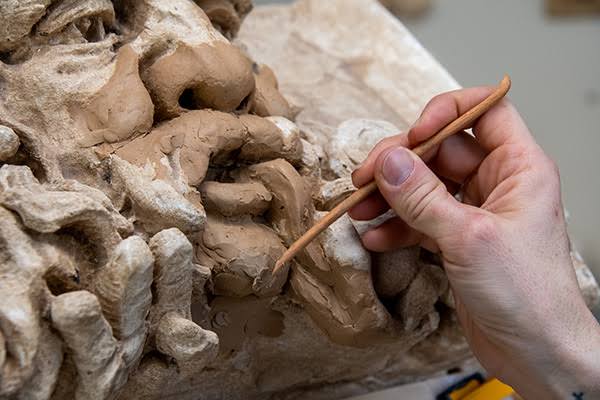
Step 6: How to Repair Cracks, Chips, and Broken Sculptures
Not all sculpture restoration involves cleaning.
Physical damage may require stabilization, repair, or specialist conservation.
Common problems include:
- Cracked stone sections.
- Broken ceramic components.
- Detached bronze elements.
- Split wooden sections.
- Missing decorative details.
- Damaged mounting points.
Can Broken Sculptures Be Repaired?
In many cases, broken sculptures may be candidates for repair.
However, the appropriate method depends on the material, the location of the damage, and the object's significance.
A specialist may evaluate whether fragments can be reassembled, whether structural support is needed, or whether a missing section can be reconstructed.
Why DIY Repairs Can Make Things Worse
Using ordinary glue, fillers, or unsuitable adhesives can complicate future restoration.
Some adhesives discolor over time, while others may be difficult to remove without damaging the original material.
If a sculpture has broken into several pieces, preserve the fragments and avoid attempting to force them together.
For valuable artwork, specialist conservation advice is strongly recommended.
Step 7: How to Restore Sculptures Affected by Fire, Smoke, and Water
Ageing is not the only reason sculptures require restoration. Property disasters can introduce contamination and damage that ordinary maintenance cannot address.
Fire and Smoke Damage
Fire can affect sculptures through direct heat, smoke, soot, and firefighting water.
Even sculptures located away from the flames may collect smoke residue.
Fire damage may cause:
- Surface discoloration.
- Soot contamination.
- Persistent smoke odors.
- Cracking or heat-related deterioration.
- Damage to coatings and finishes.
Professional fire damage contents restoration can help identify affected belongings and determine the appropriate cleaning and restoration options.
Water Damage
Water can cause staining, corrosion, swelling, cracking, and deterioration, depending on the sculpture's material.
Floodwater may introduce additional contaminants that make restoration more complicated.
The Environmental Protection Agency's guidance on mold, moisture, and your home explains why moisture control is important in preventing mold-related problems.
After water exposure, avoid leaving sculptures in damp environments or attempting uncontrolled drying.
When Professional Restoration Is Necessary
If a sculpture has been affected by fire, flooding, significant moisture, or extensive contamination, a professional assessment should come before cleaning.
CRDN Team Crouch can help property owners discuss the contents restoration process, including documentation, packout, handling, and coordination of appropriate restoration services.
For assistance after property damage, call (903) 908-1919.
Step 8: How to Preserve Old Sculptures After Restoration
Restoring an old sculpture is only part of the process. Proper preservation helps reduce the risk of future deterioration.
Control Environmental Conditions
Temperature and humidity fluctuations can affect wood, stone, metal, and mixed-media artwork.
Where appropriate, maintain stable environmental conditions and avoid placing delicate sculptures near sources of excessive heat or moisture.
Protect Sculptures From Direct Sunlight
Prolonged sunlight can affect certain materials, especially painted surfaces, wood finishes, and mixed-media components.
Consider the sculpture's material and finish when choosing its display location.
Handle Sculptures Carefully
Avoid lifting sculptures by fragile projections, decorative components, or previously repaired sections.
For heavy or valuable artwork, use suitable support and handling procedures.
Schedule Regular Inspections
Check sculptures periodically for:
- New cracks.
- Surface discoloration.
- Corrosion.
- Loose components.
- Moisture damage.
- Changes in surface condition.
Early identification of deterioration can help prevent more extensive restoration work later.
Common Mistakes to Avoid When Restoring Old Sculptures
Knowing what not to do is just as important as understanding the restoration process.
Here are seven mistakes that can permanently damage valuable artwork.
- Using the wrong cleaning products: Chemicals may react with the sculpture's material or finish.
- Scrubbing aggressively: Abrasive cleaning can remove original surface details.
- Removing natural patina: This may alter the artistic and historical character of bronze sculptures.
- Using pressure washers: High-pressure water can damage delicate stone surfaces.
- Applying ordinary glue: Unsuitable adhesives can complicate future repairs.
- Ignoring moisture damage: Hidden moisture may contribute to further deterioration.
- Attempting complex restoration without expertise: Valuable or fragile artwork may require specialist conservation.
The best approach is to understand the sculpture before attempting any intervention.
When Should You Hire a Professional Sculpture Restoration Specialist?
DIY maintenance may be appropriate for certain stable, modern decorative objects. However, professional assistance becomes important when the sculpture is valuable, fragile, contaminated, or structurally damaged.
Consider professional restoration when:
- The sculpture is antique or historically significant.
- Bronze has developed unusual corrosion.
- Marble or stone has developed cracks.
- Wooden sculptures show moisture damage.
- Ceramic sculptures have broken into pieces.
- Smoke and soot have affected the artwork.
- Water exposure has caused staining or deterioration.
- Previous repairs are failing.
- The sculpture contains several different materials.
A qualified conservator can assess complex artwork and recommend appropriate treatment.
For sculptures affected by a wider property loss, a contents restoration provider can also help organize inventory, documentation, packout, and restoration coordination.
Do not wait until a small restoration concern becomes a much larger problem.
If your sculpture has been affected by property damage, contact CRDN Team Crouch at (903) 908-1919 to discuss your contents restoration requirements.
How CRDN Team Crouch Supports Artwork and Contents Restoration
Old sculptures often form part of a larger collection of valuable belongings within a home, office, commercial building, or other property.
When a disaster occurs, these items may require more than ordinary cleaning. They may need careful documentation, specialized handling, transportation, storage, and restoration coordination.
CRDN Team Crouch supports contents restoration needs involving belongings affected by property damage.
Depending on the circumstances, the contents restoration process may include:
- Contents inventory: Recording affected belongings and their condition.
- Photographic documentation: Creating visual records of damaged items.
- Contents packout: Organizing the safe removal and transportation of belongings.
- Contents cleaning: Addressing appropriate contamination and surface damage.
- Restoration coordination: Helping identify when specialist restoration expertise is required.
- Storage coordination: Managing belongings while property repairs take place.
- Pack-back: Coordinating the return of contents when the property is ready.
It is important to recognize that highly valuable, antique, or historically significant sculptures may require treatment by a specialist art conservator. Contents restoration and art conservation serve related but distinct purposes.
CRDN Team Crouch's role is to help property owners manage the wider contents recovery process and understand the appropriate next steps for their affected belongings.
Need help recovering valuable artwork or belongings after property damage?
Call CRDN Team Crouch on (903) 908-1919 or visit www.crdntx.com to discuss your restoration needs.
Frequently Asked Questions About How to Restore Old Sculptures
1. How do you restore an old sculpture?
Restoring an old sculpture begins with identifying its material and assessing its condition. Depending on the damage, the process may involve careful cleaning, stabilization, repair, preservation, and appropriate storage. Valuable or fragile sculptures should be assessed by a qualified conservator.
2. Can I clean an old sculpture with soap and water?
Not necessarily. Soap and water may damage certain materials, finishes, patinas, and decorative surfaces. Always identify the material and assess its condition before cleaning. For antique or valuable artwork, seek professional advice.
3. How do you restore an old bronze sculpture?
Bronze sculpture restoration involves assessing the patina, identifying surface contamination, and determining whether corrosion or other deterioration is present. Cleaning and treatment should preserve the original finish rather than aggressively polish the sculpture.
4. Can old marble sculptures be restored?
Yes. Some marble sculptures can be cleaned, stabilized, and repaired depending on their condition. However, porous stone can be sensitive to chemicals, moisture, and abrasive cleaning.
5. How do you restore a cracked wooden sculpture?
The process begins with assessing the crack, the condition of the wood, and any moisture-related damage. Structural stabilization or specialist repairs may be necessary. Ordinary household adhesives should not be used on valuable artwork without professional guidance.
6. How much does sculpture restoration cost?
The cost depends on the sculpture's material, size, condition, value, and the complexity of the restoration. A professional assessment is necessary before an accurate estimate can be provided.
7. Can smoke-damaged sculptures be restored?
Some smoke-damaged sculptures can be restored through appropriate cleaning and treatment. The outcome depends on the material, the level of soot contamination, smoke exposure, and whether heat has caused permanent damage.
8. How can I prevent an old sculpture from deteriorating?
Maintain suitable environmental conditions, avoid excessive moisture and direct sunlight where inappropriate, handle the sculpture carefully, and inspect it periodically for signs of damage.
9. When should I contact a sculpture restoration professional?
Seek professional help when a sculpture is antique, valuable, structurally damaged, contaminated by fire or water, or showing signs of significant deterioration. Early assessment can help prevent additional damage.
Preserve the Artwork, Not Just Its Appearance
Knowing how to restore old sculptures involves more than removing dirt or making an artwork look new again. It requires understanding the material, identifying the cause of deterioration, selecting appropriate cleaning methods, and protecting the sculpture's original characteristics.
Whether you own a bronze statue, a marble carving, a wooden sculpture, or a delicate ceramic artwork, the right restoration approach can make a significant difference.
Some maintenance tasks may be straightforward, but valuable or damaged sculptures often require professional assessment. Using unsuitable chemicals, excessive force, or incorrect repair materials can cause irreversible damage.
The most important step is knowing when to stop experimenting and seek appropriate expertise.
If your sculpture or other valuable belongings have been affected by fire, smoke, water, or another property disaster, CRDN Team Crouch can help you understand the contents restoration process.
Don't assume your damaged belongings are beyond recovery.
Contact CRDN Team Crouch today.
Phone: (903) 908-1919
Website: www.crdntx.com
CRDN Team Crouch — Restoring More Than Property.