What Is Sculpture Restoration? Can Damaged Sculptures Really Be Saved?
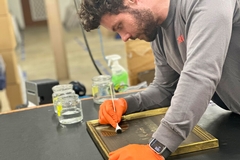
Sculpture restoration is the process of assessing, cleaning, repairing, and preserving sculptures that have been damaged by fire, smoke, water, physical impact, environmental exposure, or deterioration over time. Whether it is a bronze statue, a marble artwork, a wooden carving, or a ceramic sculpture, damage does not always mean the artwork must be discarded. Depending on its material, condition, and the extent of the damage, professional restoration may help recover its appearance, structural integrity, and long-term preservation.
Sculptures often represent more than decorative objects. They can carry artistic, cultural, historical, sentimental, and financial value. A sculpture displayed in a home may be a treasured family possession, while artwork in a commercial building, gallery, museum, or public space may hold considerable cultural or institutional significance.
Unfortunately, property disasters can put these valuable objects at risk. A fire can leave soot and smoke residue on a sculpture. Water damage can affect porous stone, wood, and other materials. A fallen object can cause cracks, broken sections, or missing details.
When this happens, one of the first questions property owners ask is: Can the sculpture actually be saved?
In many cases, professional assessment can identify restoration options that may not be obvious to someone without experience handling damaged artwork. However, not every sculpture can be returned to its original condition, and some damage may be irreversible.
At CRDN Team Crouch, contents restoration involves helping property owners understand how valuable belongings can be evaluated, protected, and recovered after property damage. Understanding sculpture restoration is an important part of recognizing that artwork and decorative objects may require specialized attention after a disaster.
This guide explains what sculpture restoration involves, which materials can be restored, how professionals approach fire and water damage, and when restoring a damaged sculpture may be a practical alternative to replacement.
What Is Sculpture Restoration?
Sculpture restoration is the professional process of evaluating and treating damaged sculptures to preserve their material, appearance, and structural stability.
Unlike ordinary cleaning or simple repairs, professional sculpture restoration considers the artwork's composition, construction, original finish, existing condition, and historical or artistic significance.
A sculpture made from bronze requires a different restoration approach from one made from marble, wood, or ceramic. Even two sculptures made from the same material may require different treatments because of their age, surface finishes, previous repairs, and exposure to damage.
Depending on the artwork and the extent of deterioration, sculpture restoration may involve:
- Assessing visible and structural damage.
- Identifying the sculpture's material and construction.
- Removing surface dust, soot, and appropriate contaminants.
- Evaluating water damage and moisture-related deterioration.
- Treating certain stains and discoloration.
- Addressing cracks, fractures, or detached components.
- Stabilizing vulnerable sections.
- Preserving original surfaces and finishes.
- Documenting the restoration process.
- Recommending appropriate storage and environmental conditions.
The objective is not necessarily to make an old sculpture look brand new. In professional conservation, preserving original material and maintaining the artwork's integrity are often more important than achieving a completely new appearance.
A successful restoration respects the sculpture's original character while addressing damage as safely and appropriately as possible.
Can Damaged Sculptures Really Be Saved?
Yes, some damaged sculptures can be restored. However, the outcome depends on several important factors.
The material, severity of damage, type of contamination, structural condition, and availability of appropriate restoration expertise all influence what is possible.
For example, a bronze sculpture covered in soot may be a candidate for careful cleaning, while a wooden sculpture that has absorbed significant moisture may require more extensive evaluation.
Similarly, a marble sculpture with a small fracture may be treatable, but one that has shattered into numerous fragments may require a complex conservation process.
1. The Type of Material
Different materials respond differently to fire, water, cleaning products, and physical impact.
Some materials are relatively durable but may have sensitive surface finishes. Others are porous and can absorb moisture, contaminants, or cleaning solutions.
Understanding the material is therefore the first step toward determining an appropriate restoration method.
2. The Extent of Damage
Minor surface contamination may be easier to address than deep cracks, severe heat damage, structural instability, or extensive deterioration.
A sculpture with surface soot may require a different intervention from one that has experienced direct flame exposure.
The more extensive the damage, the more carefully the restoration options must be evaluated.
3. The Sculpture's Existing Condition
A sculpture that was already cracked, weakened, or previously repaired before a disaster may require additional attention.
Existing deterioration can affect how an object responds to cleaning, handling, and restoration treatments.
4. The Artwork's Value and Significance
The sculpture's artistic, historical, financial, and sentimental importance should also inform restoration decisions.
A valuable or historically significant artwork may require consultation with a conservator who specializes in the relevant material.
The important point is that visible damage does not automatically mean a sculpture is beyond recovery. A proper assessment should come before any decision to discard or aggressively clean it.
How Fire and Smoke Damage Affect Sculptures
Fire can affect sculptures in several ways, even when flames do not directly touch the artwork.
Smoke travels through buildings, while soot and other combustion residues can settle on surfaces. Heat may also affect materials, finishes, adhesives, and previous repairs.
Soot and Surface Contamination
Soot is a residue produced during incomplete combustion. Depending on the materials involved in the fire, it may be powdery, greasy, or difficult to remove.
When soot settles on sculptures, it can affect their appearance and potentially interact with sensitive surfaces.
For example:
- A bronze sculpture may develop visible soot deposits.
- A marble sculpture may show darkened areas or staining.
- A wooden carving may absorb smoke odors and residue.
- A painted sculpture may have contamination on its decorative finish.
Attempting to wipe soot away without understanding the surface can cause additional damage.
Some cleaning products may react with finishes, while excessive pressure can scratch or alter delicate surfaces.
Smoke Odor Absorption
Smoke odors can remain in porous materials long after visible residue has been removed.
Wooden sculptures, composite materials, and objects with fabric or other porous components may retain smoke-related odors.
Professional art restoration and contents deodorization may be necessary to address the contamination appropriately.
The selected treatment must consider the sculpture's materials and finishes. Methods suitable for ordinary household contents should not automatically be applied to valuable artwork.
Heat-Related Damage
Direct heat exposure can cause more serious problems.
Depending on the material, heat may result in:
- Cracking or fractures.
- Discoloration.
- Surface blistering or changes.
- Deformation.
- Failure of adhesives.
- Damage to coatings and protective finishes.
Certain materials may experience irreversible changes when exposed to high temperatures.
For this reason, a sculpture exposed to significant heat should be assessed before cleaning or attempting repairs.
The Smithsonian Museum Conservation Institute provides resources on the scientific examination and preservation of cultural objects, illustrating why material-specific knowledge is important when dealing with damaged artwork.
How Water Damage Affects Sculptures
Water damage presents a different set of challenges.
Depending on the sculpture's material, moisture may cause swelling, staining, corrosion, deterioration, or changes to the surface.
The source of the water is also important. A clean plumbing leak does not necessarily present the same contamination risks as sewage or floodwater.
Water Damage to Wooden Sculptures
Wood is particularly sensitive to changes in moisture conditions.
When exposed to water, wooden sculptures may swell, warp, crack, or develop surface deterioration. If moisture remains trapped, mold growth may also become a concern.
Rapid or uncontrolled drying can create additional problems because uneven moisture loss may cause wood to shrink or split.
Professional assessment helps determine the appropriate handling and drying considerations.
Water Damage to Marble and Stone Sculptures
Stone is often perceived as completely resistant to water. However, many stone materials are porous and can absorb moisture.
Water exposure may contribute to staining, deposits, or deterioration, particularly when contaminants are present.
Some cleaning methods can also damage sensitive stone surfaces.
For this reason, marble sculpture restoration requires careful consideration of the stone's composition, finish, and condition.
Water Damage to Bronze Sculptures
Bronze is a metal alloy, but its surface can still be affected by moisture and environmental conditions.
Water exposure may contribute to corrosion or changes in the sculpture's patina.
The patina is an important part of many bronze artworks. It should not automatically be removed during cleaning because it may contribute to the sculpture's appearance and character.
Water Damage to Ceramic Sculptures
Ceramic sculptures may be vulnerable to physical damage, particularly when water exposure is accompanied by movement, impact, or structural instability.
Glazes, decorative coatings, adhesives, and previous repairs may also influence how the object should be handled.
The American Institute for Conservation (AIC) provides resources on the conservation of cultural heritage materials and the importance of appropriate professional treatment.
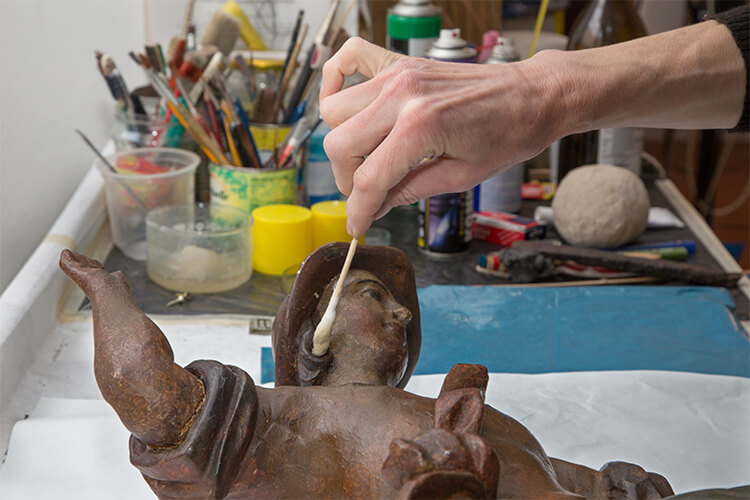
What Types of Sculptures Can Be Restored?
The restoration approach depends heavily on the sculpture's material and condition.
Here are some common categories.
1. Bronze Sculpture Restoration
Bronze sculptures are widely used in homes, public spaces, galleries, and commercial properties.
They can develop surface contamination, corrosion, scratches, and changes to their patina.
Bronze sculpture restoration may involve:
- Evaluating surface corrosion.
- Removing appropriate surface contaminants.
- Assessing damage to the patina.
- Addressing structural issues.
- Preserving protective coatings where appropriate.
A key consideration is protecting the original surface rather than aggressively polishing the sculpture.
2. Marble and Stone Sculpture Restoration
Marble and other stone sculptures may experience cracks, chips, staining, surface erosion, or damage from environmental exposure.
Professional stone sculpture restoration focuses on preserving the original material while addressing damage.
Depending on the condition, work may involve surface cleaning, stabilization, and carefully evaluated repairs.
Aggressive cleaning should be avoided because it can remove original surface characteristics or cause permanent damage.
3. Wooden Sculpture Restoration
Wooden sculptures can be affected by moisture, smoke, insects, physical impact, and changes in environmental conditions.
Restoration may involve assessing cracks, stabilizing loose sections, addressing appropriate surface contamination, and evaluating existing finishes.
The moisture history of the object is especially important when determining suitable treatment.
4. Ceramic Sculpture Restoration
Ceramic sculptures can break, chip, crack, or lose decorative elements.
Some damaged ceramic objects may be candidates for careful reassembly or stabilization, depending on the number of fragments, the condition of the material, and the significance of the artwork.
However, missing pieces and previous repairs can complicate the process.
5. Mixed-Media Sculptures
Some contemporary sculptures combine multiple materials, such as wood, metal, glass, stone, textiles, plastics, and adhesives.
These objects can be particularly challenging because each component may respond differently to cleaning and environmental conditions.
A treatment that is suitable for one part of the sculpture may damage another.
Mixed-media artwork therefore requires careful assessment and, where appropriate, specialist conservation expertise.
What Happens During Professional Sculpture Restoration?
Professional sculpture restoration should follow a structured process. The aim is to understand the damage, select appropriate treatments, and protect the artwork throughout recovery.
Step 1: Initial Assessment
The first stage involves examining the sculpture and identifying visible damage.
Specialists consider:
- Material and construction.
- Type and severity of damage.
- Surface condition.
- Existing cracks or previous repairs.
- Smoke, soot, or water exposure.
- Structural stability.
- Potential contamination.
This helps establish whether the sculpture may be suitable for restoration and whether specialist conservation support is required.
Step 2: Documentation and Photography
Before treatment begins, documenting the sculpture's condition is important.
Photographs and written descriptions can record visible damage, missing components, existing cracks, and surface changes.
This information may also support contents inventory and insurance claim documentation when the sculpture has been affected by a covered property loss.
Step 3: Safe Handling and Transportation
Damaged sculptures may be fragile and vulnerable to additional impact.
Large, heavy, or delicate pieces may require appropriate packing, support, and transportation arrangements.
During a major property loss, sculpture restoration may form part of a broader contents packout process.
Careful handling helps reduce the risk of further damage while the property is being repaired.
Step 4: Cleaning and Treatment Planning
Once the sculpture has been assessed, the appropriate treatment can be determined.
This may involve removing certain contaminants, addressing surface damage, or stabilizing vulnerable areas.
Not every sculpture requires the same intervention. Cleaning methods should be selected according to the material, finish, and condition.
Step 5: Repair and Stabilization
Where appropriate, damaged sections may require stabilization or repair.
This could involve addressing cracks, securing loose components, or treating damaged surfaces.
For historically significant or highly valuable objects, treatment decisions should be guided by a qualified conservator with relevant expertise.
Step 6: Quality Assessment
Following treatment, the sculpture should be evaluated to determine whether the intended restoration objectives have been achieved.
This may include reviewing its appearance, structural condition, surface stability, and any remaining damage.
The result should be documented, particularly when the restoration forms part of an insurance-related recovery process.
Step 7: Storage and Return
Some sculptures may need to remain in appropriate storage while property repairs continue.
Storage arrangements should account for the sculpture's material, condition, size, and environmental requirements.
Once the property is ready, the restored artwork can be prepared for safe transportation and return.
Sculpture Restoration Versus Replacement: Which Is the Better Option?
When a sculpture is damaged, property owners may immediately consider replacing it.
However, replacement is not always the most appropriate decision.
A sculpture may have sentimental, artistic, historical, or financial value that cannot easily be replicated.
When Restoration May Be Appropriate
Restoration may be worth considering when:
- The sculpture has significant artistic or sentimental value.
- Damage is limited or potentially treatable.
- Original materials can be preserved.
- Structural stability can be addressed.
- Appropriate restoration expertise is available.
When Replacement May Be Necessary
Replacement may be more appropriate when:
- The sculpture has suffered extensive irreversible damage.
- Its structural integrity cannot be safely restored.
- Contamination cannot be adequately addressed.
- Significant portions are missing and cannot be recovered.
- Restoration is not practical for the item's condition or circumstances.
The decision should be based on an informed assessment rather than appearance alone.
For insurance-related losses, restoration recommendations and replacement decisions should be documented and discussed with the insurer. Coverage depends on the applicable policy.
Common Mistakes to Avoid When a Sculpture Is Damaged
Trying to repair a sculpture immediately after an incident can sometimes make the damage worse.
Here are mistakes property owners should avoid:
1. Wiping soot without assessment: Rubbing soot into a surface can spread contamination or damage delicate finishes.
2. Using household cleaning chemicals: Some cleaning products may react with stone, metal, wood, paint, or protective coatings.
3. Applying excessive water: Water can worsen damage to porous materials and affect adhesives or previous repairs.
4. Attempting DIY repairs: Using unsuitable adhesives or fillers may complicate future restoration.
5. Moving fragile sculptures without support: Damaged objects may break further during handling or transportation.
6. Discarding damaged artwork too quickly: An item that looks severely affected may still have restoration options.
7. Ignoring storage conditions: Temperature and humidity changes can affect certain sculpture materials.
The safest first step is to document the condition, avoid unnecessary handling, and seek an appropriate professional assessment.
How CRDN Team Crouch Supports Artwork and Contents Restoration
When property damage affects a home or business, the recovery process should consider more than the building itself.
Valuable belongings, decorative objects, and artwork may also require careful assessment, documentation, handling, and restoration planning.
CRDN Team Crouch supports contents restoration needs involving belongings affected by property damage. Depending on the nature of the loss, this may include coordinating contents inventory, packout, transportation, cleaning, restoration, storage, and pack-back.
Sculptures and other valuable artwork require particular attention because their materials, construction, and surface finishes can make them vulnerable to inappropriate handling or cleaning.
The first priority should always be understanding the object's condition and identifying the appropriate expertise for its recovery.
For certain delicate, historically significant, or highly valuable sculptures, consultation with a specialist art conservator may be necessary.
By taking a careful, assessment-led approach, property owners can make more informed decisions about whether an item may be restored, requires specialist treatment, or should be replaced.
At CRDN Team Crouch, the goal is to restore more than property by helping protect and recover the belongings that make a space meaningful.
Frequently Asked Questions About Sculpture Restoration
1. What is sculpture restoration?
Sculpture restoration is the process of assessing, cleaning, repairing, and preserving sculptures damaged by fire, smoke, water, physical impact, or deterioration. The methods used depend on the sculpture's material, condition, and significance.
2. Can a fire-damaged sculpture be restored?
Some fire-damaged sculptures can be restored, depending on their material and the extent of heat, soot, and smoke exposure. Surface contamination may be treatable, while severe heat damage or structural deterioration may limit recovery options.
3. Can water-damaged sculptures be repaired?
Yes, some water-damaged sculptures may be restored. However, the outcome depends on the material, water source, duration of exposure, and severity of deterioration. Wooden and porous stone sculptures may require particularly careful assessment.
4. How much does sculpture restoration cost?
The cost depends on the sculpture's size, material, value, damage, and the complexity of the required work. A professional assessment is necessary before a reliable estimate can be provided.
5. Can bronze sculptures be restored after corrosion?
Some bronze sculptures affected by corrosion may be suitable for conservation treatment. The appropriate approach depends on the type and extent of corrosion and the condition of the original patina.
6. Is sculpture restoration the same as sculpture repair?
Not exactly. Sculpture repair generally focuses on fixing specific physical damage, such as cracks or broken sections. Sculpture restoration may involve a broader process that includes cleaning, preservation, stabilization, and appropriate repairs.
7. Should I clean a damaged sculpture myself?
It is generally best to avoid aggressive cleaning before an assessment. Household chemicals, excessive water, and incorrect cleaning techniques can cause permanent damage to delicate surfaces.
8. Does insurance cover sculpture restoration?
Coverage depends on the cause of the damage and the terms of the insurance policy. Property owners should document the damage and discuss restoration and replacement options with their insurer.
9. When should I contact a sculpture restoration specialist?
Seek professional advice when a sculpture has been affected by fire, smoke, water, physical impact, or visible deterioration. Early assessment can help identify appropriate handling and restoration options.
Don't Assume a Damaged Sculpture Is Beyond Saving
Sculpture restoration offers a way to assess and potentially recover artwork affected by fire, smoke, water, and physical damage.
Whether the sculpture is made from bronze, marble, wood, ceramic, or mixed materials, the right restoration approach depends on understanding its composition, condition, and exposure history.
Some sculptures may require straightforward cleaning, while others need specialized conservation, structural stabilization, or more complex treatment. In certain cases, replacement may be the more practical option.
The most important step is not to assume that a damaged sculpture is beyond recovery. A professional assessment can help establish what is possible and identify the appropriate next steps.
If a fire, water incident, or other property disaster has affected valuable artwork or personal belongings, professional contents restoration can help organize the recovery process.
Has property damage affected your artwork or valuable belongings?
Contact CRDN Team Crouch to discuss your contents restoration needs.
Phone: (903) 908-1919
Website: www.crdntx.com
CRDN Team Crouch — Restoring More Than Property.
Categories
Recent Posts
-
November 3, 2026
What Is Sculpture Restoration? Can Damaged Sculptures Really Be Saved?
-
October 27, 2026
Packout Companies Working With Adjusters: How Contents Restoration Simplifies Insurance Claims After Property Damage
-
October 22, 2026
Contents Cleaning and Deodorization: How Professional Restoration Removes Smoke, Soot, and Unpleasant Odors After Property Damage