Packout Companies Working With Adjusters: How Contents Restoration Simplifies Insurance Claims After Property Damage
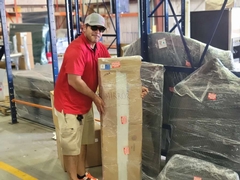
Packout companies working with adjusters play an important role in the recovery process after fire, water, smoke, or other property damage. When a home or commercial building suffers a major loss, the damage often extends beyond walls, floors, and ceilings. Furniture, clothing, electronics, documents, artwork, and other personal belongings may also require professional assessment, documentation, cleaning, and storage.
Managing these contents can be challenging for property owners and insurance professionals. Belongings must be identified, their condition recorded, and appropriate restoration options determined. Meanwhile, the building may need extensive repairs before its contents can safely be returned.
This is where professional contents packout services become valuable. Packout companies help organize the removal, documentation, transportation, and handling of affected belongings. When they coordinate effectively with insurance adjusters, the process can become more structured, helping all parties understand what was affected and what restoration work may be required.
However, it is important to understand that a packout company does not determine insurance coverage or approve claims. Its role is to provide contents-related services, documentation, and restoration support that can assist the broader claims process.
For homeowners, commercial property owners, and insurance professionals, understanding how this relationship works can make property recovery less complicated.
At CRDN Team Crouch, contents restoration involves helping property owners recover belongings affected by property damage. A well-organized process, from inventory and packout to cleaning, storage, and pack-back, helps bring structure to an otherwise stressful situation.
In this guide, we explain how packout companies working with adjusters support insurance claims, what the packout process involves, how contents documentation helps, and what property owners should know when choosing a restoration provider.
What Do Packout Companies Working With Adjusters Do?
Packout companies working with adjusters help manage personal and commercial contents affected by property damage. Their work may begin shortly after an incident and continue through the assessment, restoration, storage, and return of belongings.
A packout generally involves carefully documenting, packing, and removing contents from a damaged property so that the items can be assessed, cleaned, restored, or stored while building repairs take place.
For example, following a kitchen fire, smoke may affect clothing in nearby bedrooms, furniture in adjoining rooms, and other belongings throughout the property. Even items that were not directly burned may require assessment.
Similarly, after a significant water loss, furniture, textiles, electronics, and household possessions may need to be removed before damaged flooring, walls, or other building components can be repaired.
Packout companies help organize these belongings and document their condition. This information can be useful to property owners and insurance adjusters when evaluating the scope of the contents loss.
Typical services may include:
- Contents inventory and documentation.
- Photographic records of affected belongings.
- Packing and removal of contents.
- Transportation to an appropriate restoration facility.
- Contents cleaning and restoration.
- Smoke and odor treatment where appropriate.
- Coordination of suitable storage.
- Tracking items throughout the restoration process.
- Delivery and pack-back after property repairs.
The exact services depend on the nature of the loss and the restoration provider's capabilities.
The primary objective is to protect and account for affected belongings while supporting an organized recovery process.
How Packout Companies Support Insurance Adjusters
Insurance adjusters evaluate property losses and help determine how claims should be handled under the applicable insurance policy. Depending on the claim, they may need information about damaged contents, the extent of the loss, and the restoration work being proposed.
Packout companies support this process by documenting and managing the affected belongings.
1. Creating a Detailed Contents Inventory
A contents inventory records items affected by a property loss.
Depending on the circumstances, the inventory may include descriptions, quantities, photographs, visible damage, and other relevant information.
For example, after a fire, a homeowner may have dozens of affected items, including clothing, televisions, furniture, kitchen appliances, and decorative objects.
Without an organized inventory, keeping track of these belongings can become difficult.
A detailed contents inventory helps create a structured record of what was identified during the packout. It can also help the property owner and adjuster discuss the contents involved in the loss.
However, an inventory is not automatically proof of coverage or a guarantee of reimbursement. Claim decisions remain subject to the policy and the insurer's assessment.
2. Providing Photographic Documentation
Photographs can help record the condition of belongings before they are removed from the property.
Images may show visible soot, water staining, broken components, damaged upholstery, or other conditions relevant to the contents assessment.
Photographic documentation can be particularly useful when a large number of items are involved or when belongings must be moved before building repairs begin.
Good documentation should be clear, organized, and connected to the appropriate inventory records whenever possible.
3. Helping Clarify Restoration Options
Not every damaged item needs to be replaced. Some belongings may be suitable for professional cleaning and restoration, while others may have sustained damage that makes recovery impractical.
Packout companies with contents restoration capabilities can assess items and identify potential treatment options.
For example, smoke-affected clothing may be suitable for specialized cleaning, while electronics exposed to significant moisture may require separate technical assessment.
These findings can help inform discussions about restoration versus replacement.
The insurer ultimately determines coverage under the policy, but clear restoration information can help the relevant parties understand the options being considered.
4. Organizing Contents Handling
A property loss may involve hundreds of belongings spread across multiple rooms.
Packout companies help organize the process of packing, labeling, transporting, and tracking those items.
When records are maintained consistently, it becomes easier to identify belongings, monitor their status, and coordinate their eventual return.
This organization is particularly valuable when the property owner cannot safely access the building or when repairs are expected to take an extended period.
Why Contents Packout Services Matter After Property Damage
A packout is more than removing belongings from a damaged building. It is a contents management process designed to protect items, document their condition, and prepare them for appropriate restoration or storage.
Protecting Belongings During Building Repairs
Following fire or water damage, contractors may need to remove flooring, repair walls, replace insulation, or carry out other construction work.
Leaving furniture and personal belongings inside the work area can expose them to additional dust, debris, moisture, or accidental damage.
Professional contents packout services help clear affected areas while keeping track of the items removed.
Reducing Further Damage
Some belongings may deteriorate if they remain in an unsuitable environment.
For example, textiles that remain damp may develop persistent odors or become vulnerable to mold growth. Certain materials may also be affected by ongoing exposure to soot or other residues.
Removing items when appropriate allows them to be assessed and managed according to their condition.
The timing and handling requirements will vary depending on the type of loss and the items involved.
Improving Accountability
When contents are inventoried, labeled, and tracked, property owners have a clearer record of what has been removed and where items are in the restoration process.
This helps reduce confusion when multiple teams are involved in property recovery.
An organized process is especially important for commercial properties, where the contents may include office equipment, inventory, records, furniture, and other business assets.
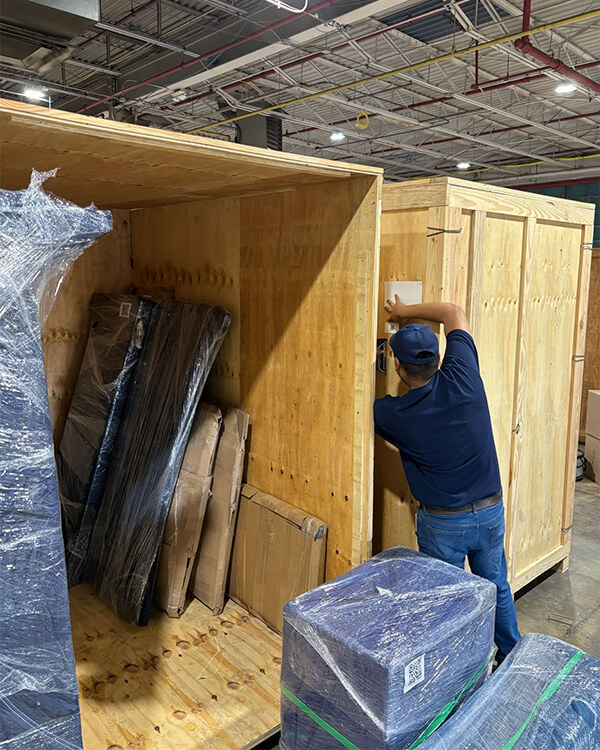
The Packout and Insurance Claim Process: Step by Step
Although every property loss is different, packout and contents restoration commonly follow a sequence of coordinated activities.
Step 1: Initial Assessment
The process begins with an evaluation of the property and the affected contents.
The restoration team identifies the areas involved, the types of belongings affected, and any visible concerns that may influence handling.
This assessment helps determine the likely scope of the packout and whether specialized handling may be required.
Step 2: Documentation and Inventory
Affected items are documented before or during removal, depending on site conditions and safety requirements.
Records may include photographs, descriptions, quantities, and notes about visible damage.
Where possible, the process should make it easy to connect each item or group of items to its inventory record.
This helps maintain accountability as belongings move through different stages of restoration.
Step 3: Packing and Removal
Items are packed according to their characteristics, condition, and handling requirements.
Fragile objects, textiles, electronics, documents, and furniture may require different packing approaches.
Belongings are then prepared for transportation to an appropriate restoration facility or storage location.
If the property presents safety hazards, removal should follow the guidance of the responsible professionals.
Step 4: Cleaning and Restoration Assessment
After packout, items can be assessed in greater detail.
Depending on the damage, services may include:
- Fire damage contents restoration.
- Water damage contents restoration.
- Smoke and soot removal.
- Contents cleaning and deodorization.
- Textile and clothing restoration.
- Furniture cleaning.
- Specialized electronics assessment.
- Appropriate handling of documents and valuable items.
Not every item will require the same treatment, and some belongings may not be suitable for restoration.
Step 5: Storage and Tracking
When the property is undergoing repairs, contents may need to remain off-site.
Suitable storage arrangements depend on the material, condition, and storage requirements of the belongings.
Climate-controlled storage may be appropriate for certain items, but storage conditions should be selected according to the needs of the contents rather than assumed to be necessary for every item.
Maintaining inventory records throughout this stage helps ensure that belongings remain organized.
Step 6: Coordination With the Adjuster
The packout company may provide inventory information, photographs, restoration findings, and other relevant documentation to support communication about the contents portion of the claim.
The exact information requested varies by insurer, adjuster, policy, and loss.
Clear communication can help identify questions that need to be resolved before restoration work proceeds.
Property owners should understand which services have been authorized and should confirm any coverage-related questions with their insurer.
Step 7: Pack-Back and Return
Once the property is ready to receive its contents, restored belongings can be prepared for return.
Pack-back services may involve transporting items to the property, placing them in appropriate rooms, and reconciling the returned contents against the inventory.
This final stage completes the contents handling process and helps the property owner transition toward normal use of the space.
How Packout Companies Help With Fire and Water Damage Claims
Different types of property damage create different challenges for contents restoration.
Fire Damage Packout Services
After a fire, contents may be affected by soot, smoke, heat, and water used during firefighting.
Smoke can travel beyond the area directly affected by flames, leaving residues and odors on furniture, clothing, and other belongings.
Fire damage packout services help organize affected contents for assessment, cleaning, restoration, or replacement consideration.
The process may involve documenting smoke-damaged items, separating contents according to their treatment requirements, and arranging appropriate transportation and storage.
The U.S. Fire Administration provides useful guidance on post-fire recovery through its information about what to do after a fire. Property owners should follow relevant safety instructions and avoid entering areas that authorities have deemed unsafe.
Water Damage Packout Services
Water damage may affect contents following plumbing failures, appliance leaks, roof damage, or flooding.
The source of the water is important because clean supply water and contaminated floodwater present different risks.
Packout services can help remove affected belongings from areas where repairs or drying work are necessary.
Contents are then assessed to determine the appropriate cleaning, drying, storage, or replacement options.
Items exposed to sewage or potentially contaminated floodwater require particular caution. Some porous materials may not be suitable for restoration.
What Information Should Packout Companies Provide Adjusters?
Effective coordination depends on clear, relevant documentation. Although requirements vary, the following records may be useful when managing contents-related claims.
| Documentation | Why It Matters |
|---|---|
| Contents inventory | Identifies the items recorded during the packout. |
| Photographs | Helps show visible damage and item condition. |
| Damage descriptions | Records observed conditions that may affect restoration decisions. |
| Packout records | Tracks the removal and handling of contents. |
| Restoration findings | Describes proposed or completed cleaning and restoration work. |
| Storage records | Helps track items held off-site, where applicable. |
| Pack-back records | Helps reconcile items returned to the property. |
| Estimates and invoices | Documents proposed or completed services and associated charges. |
Documentation should be accurate, understandable, and consistent.
It is equally important to distinguish between observed damage, recommended restoration work, and decisions about insurance coverage. These are related but separate parts of the claims process.
How to Choose Packout Companies for Insurance Claims
Choosing a contents restoration provider can influence how well belongings are documented, handled, and tracked throughout recovery.
Property owners and insurance professionals should consider several factors when evaluating packout companies.
1. Experience With Contents Restoration
Look for a provider that understands how fire, smoke, and water damage affect different materials.
Contents restoration involves more than transporting belongings. Items may require specialized cleaning, deodorization, or technical assessment.
Ask which services the provider performs directly and which may require another specialist.
2. Clear Inventory and Tracking Procedures
Ask how the company documents items, labels packed contents, manages inventory records, and tracks belongings during storage and return.
A clearly explained process helps property owners understand how their belongings will be managed.
3. Communication and Documentation
A reliable provider should explain what information it records and how restoration findings are communicated.
Ask how the company handles questions about missing information, changes in restoration recommendations, or items that cannot be recovered.
4. Appropriate Handling and Storage
Different materials have different storage requirements.
Ask how the company evaluates handling needs and determines suitable storage conditions for affected contents.
For delicate, valuable, or unusual items, confirm whether specialized expertise or additional assessment is necessary.
5. Transparent Scope of Work
Before authorizing services, understand what the proposed work includes.
Clarify the scope of packout, cleaning, deodorization, storage, transportation, and pack-back services, as applicable.
Also establish how changes in scope, additional costs, and approval requirements will be communicated.
The right provider should help make the process understandable, documented, and organized, not leave property owners guessing about the status of their belongings.
Common Mistakes to Avoid During the Packout Process
Even when professional services are involved, property owners can help prevent avoidable complications.
Common mistakes include:
- Discarding belongings before documenting them, where it is safe and practical to do so.
- Attempting to clean soot-covered items with unsuitable products.
- Leaving damp textiles piled together.
- Powering on electronics exposed to water.
- Failing to identify fragile or valuable belongings.
- Assuming every item can be restored.
- Assuming every restoration service will be covered by insurance.
- Authorizing work without understanding the proposed scope.
- Failing to keep copies of relevant records and communications.
A structured process helps reduce confusion and supports better decisions throughout the claim.
If there is a potential health or safety hazard, do not delay necessary safety measures simply to document an item. Follow emergency instructions and consult the appropriate professionals.
How CRDN Team Crouch Supports Contents Restoration
Property recovery requires coordination between property owners, restoration professionals, contractors, and insurance representatives. When belongings are affected, their management should be treated as an important part of the overall recovery plan.
CRDN Team Crouch supports contents restoration needs involving belongings affected by property damage. The contents restoration process may involve inventory, packout, cleaning, deodorization, storage coordination, and pack-back, depending on the loss and the services required.
By documenting affected contents and evaluating appropriate restoration options, a contents restoration provider can help property owners understand the steps involved in recovering their belongings.
For insurance adjusters, organized contents information can also help clarify which items were identified, what damage was observed, and which restoration services are being considered.
The distinction remains important: the restoration provider documents and performs the agreed contents-related work, while insurance coverage and claim decisions are determined by the insurer under the applicable policy.
CRDN Team Crouch's approach reflects its commitment to restoring more than property, helping property owners protect and recover the belongings that matter to them.
Frequently Asked Questions About Packout Companies Working With Adjusters
1. What do packout companies do for insurance adjusters?
Packout companies document, pack, transport, and manage contents affected by property damage. They may also provide inventories, photographs, restoration findings, and related records that help adjusters evaluate the contents portion of a claim.
2. Do packout companies approve insurance claims?
No. Packout companies provide contents-related services and documentation. The insurer determines coverage and claim payments under the terms and conditions of the applicable policy.
3. What is an insurance packout?
An insurance packout is the organized removal and handling of contents from a damaged property. It may include inventory, packing, transportation, cleaning, storage, and the eventual return of belongings.
4. Why is a contents inventory important?
A contents inventory helps identify and track belongings affected by a property loss. It can support communication among property owners, restoration providers, and insurance adjusters, although it does not independently determine coverage.
5. Can packout companies restore fire-damaged belongings?
Some fire-damaged belongings can be restored through appropriate cleaning and deodorization. The outcome depends on the item, the type of contamination, the severity of damage, and whether suitable treatment is available.
6. How do packout companies handle water-damaged contents?
They assess the source and extent of water exposure, document affected items, and coordinate appropriate handling, cleaning, restoration, storage, or replacement recommendations. Contaminated floodwater and sewage require particular caution.
7. Who pays for packout services?
Payment arrangements depend on the service agreement, the circumstances of the loss, and the applicable insurance policy. Property owners should confirm authorization, responsibility for charges, and coverage with the relevant parties before work proceeds.
8. How long does the packout process take?
The timeline depends on the size of the property, the number of affected items, the severity of damage, and the amount of restoration and storage required. A large commercial loss may require considerably more coordination than a small residential packout.
Better Contents Coordination Starts With the Right Packout Process
Packout companies working with adjusters help bring structure to the contents restoration process after fire, smoke, and water damage.
Through inventory, documentation, careful packing, transportation, restoration assessment, storage, and pack-back, these providers help organize the management of affected belongings while property repairs take place.
For insurance adjusters, clear contents records can support the evaluation of a claim. For property owners, an organized process helps track belongings and understand the available restoration options.
Successful coordination depends on accurate documentation, appropriate handling, transparent communication, and a clear understanding of each party's responsibilities. Packout companies support the contents restoration process, while insurers determine coverage under the applicable policy.
When a property disaster affects your belongings, choosing a provider that understands contents restoration can help make the recovery process more manageable.
Need contents restoration support after fire or water damage?
Contact CRDN Team Crouch to discuss your contents restoration needs.
Phone: (903) 908-1919
Website: www.crdntx.com
CRDN Team Crouch — Restoring More Than Property.
Categories
Recent Posts
-
October 27, 2026
Packout Companies Working With Adjusters: How Contents Restoration Simplifies Insurance Claims After Property Damage
-
October 22, 2026
Contents Cleaning and Deodorization: How Professional Restoration Removes Smoke, Soot, and Unpleasant Odors After Property Damage
-
October 20, 2026
Fabric Restoration: How Professional Restoration Saves Fabrics After Fire, Smoke, and Water Damage