Contents Cleaning and Deodorization: How Professional Restoration Removes Smoke, Soot, and Unpleasant Odors After Property Damage
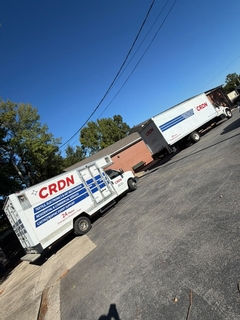
Contents cleaning and deodorization are essential parts of recovering personal belongings and business assets after fire, smoke, water damage, and other property disasters. Even when a building's structure remains intact, its contents can absorb smoke odors, collect soot, develop musty smells, or become contaminated by moisture and debris. Without appropriate assessment and treatment, these problems can affect the condition, usability, and value of affected belongings.
From upholstered furniture and clothing to electronics, curtains, documents, and decorative items, property contents often require more than ordinary household cleaning. Smoke particles can penetrate porous materials, soot can leave persistent stains, and moisture can create conditions that encourage mold growth. Simply wiping a surface or covering an odor with an air freshener may not address the underlying contamination.
Professional contents cleaning and deodorization provide a structured approach to evaluating affected items, selecting suitable cleaning methods, treating persistent odors, and determining which belongings can be restored safely and effectively.
For homeowners, property managers, commercial property owners, and insurance professionals, understanding this process can make disaster recovery more manageable. It also helps explain why some items can be restored, why others may require replacement, and how contents restoration fits into the wider property recovery process.
At CRDN Team Crouch, contents restoration is about more than cleaning visible damage. It involves helping property owners understand their options for recovering affected belongings through appropriate assessment, cleaning, deodorization, documentation, and handling.
In this guide, we explain how professional contents cleaning and deodorization work, how specialists address smoke and soot contamination, what happens to water-damaged belongings, and when professional restoration may be the right choice.
What Is Contents Cleaning and Deodorization?
Contents cleaning and deodorization is the process of assessing, cleaning, and treating personal belongings or business contents affected by contaminants and unpleasant odors following a property loss.
Unlike routine household cleaning, professional contents cleaning addresses damage associated with incidents such as fires, smoke exposure, water leaks, flooding, and other events that introduce contaminants into a property.
Cleaning focuses on removing unwanted substances from affected items. Deodorization addresses the sources of persistent odors rather than simply masking them with fragrances.
Both processes may be necessary after a fire, for example. Cleaning may remove visible soot from an item, while additional deodorization may be needed to address smoke odors that have penetrated porous materials.
Depending on the nature of the loss, contents cleaning and deodorization services may include:
- Inspecting and assessing affected belongings.
- Identifying soot, smoke residue, water damage, and other contamination.
- Creating an inventory of damaged contents.
- Selecting appropriate cleaning methods for different materials.
- Removing surface contaminants and stains where possible.
- Treating persistent smoke and musty odors.
- Evaluating items for moisture-related deterioration.
- Coordinating contents packout and transportation.
- Arranging suitable storage when necessary.
- Performing quality checks before returning restored items.
The appropriate process depends on the item's material, condition, exposure history, and the type of contamination involved.
The objective is to recover items where practical without creating additional damage or overlooking contamination that could affect their continued use.
Not every item can be restored, and successful cleaning does not automatically establish that an item is safe to reuse. Professional assessment helps determine the most appropriate next step.
How Fire and Smoke Affect Personal Belongings
Fire damage can extend far beyond the areas directly burned by flames. Smoke and soot can travel through a building, settle on surfaces, and penetrate porous materials.
This means that furniture, clothing, bedding, electronics, and other belongings may require restoration even when they appear physically intact.
1. Soot Contamination
Soot consists of fine particles produced during incomplete combustion. Its composition and characteristics depend on the materials burned and the conditions of the fire.
Soot can settle on furniture, clothing, decorative items, and other contents. Depending on its composition, it may appear powdery, greasy, or difficult to remove.
Improper cleaning can spread soot across surfaces or push particles deeper into porous materials.
For example, rubbing a soot-covered sofa with an ordinary cloth may spread the residue instead of removing it. Using an unsuitable cleaning product can also cause discoloration or permanent staining.
Professional contents cleaning begins by evaluating the affected material and the type of residue. Specialists can then select appropriate cleaning methods to remove contamination while minimizing the risk of further damage.
2. Persistent Smoke Odors
Smoke odors are among the most frustrating problems after a fire.
Smoke can penetrate fabrics, upholstery, carpeting, mattresses, and other porous materials. Odor-causing residues may remain even after visible soot has been removed.
This is why smoke odor removal often requires more than surface cleaning.
Professional smoke deodorization services focus on addressing the contamination responsible for the odor. Depending on the item, this may involve specialized cleaning, controlled deodorization, and additional treatment appropriate to the material.
The objective is to reduce or eliminate persistent odors where possible without compromising the condition of the item.
3. Chemical Residues and Corrosion Risks
The materials involved in a fire influence the type of residue deposited throughout the property. Smoke may contain a complex mixture of particles and chemical compounds.
Some residues can also contribute to corrosion or deterioration when they remain on susceptible materials.
For example, certain electronic components and metal surfaces may be vulnerable to residues that are not obvious during a visual inspection.
This is one reason fire damage contents cleaning should consider the type of item and the nature of the exposure rather than relying solely on appearance.
4. Damage Beyond the Fire Area
Smoke can move through hallways, ventilation pathways, and adjoining rooms. As a result, contents in areas where flames never reached may still require assessment.
A bedroom wardrobe, for example, may contain clothing affected by smoke from a fire in another part of the house.
A commercial property may have office furniture, inventory, and equipment exposed to smoke despite limited direct fire damage.
Professional contents restoration helps property owners identify affected items that might otherwise be overlooked.
For further information, the U.S. Environmental Protection Agency's guidance on wildfires and indoor air quality explains how smoke can affect indoor environments and why appropriate cleanup precautions matter.
Contents Cleaning and Deodorization After Water Damage
Fire is not the only event that can damage personal belongings. Water leaks, burst pipes, appliance failures, roof damage, and flooding can also affect household and commercial contents.
Water damage introduces different restoration challenges. Depending on the source and duration of exposure, items may develop stains, musty odors, material deterioration, or microbial growth.
Cleaning Water-Damaged Contents
Water-damaged belongings should be assessed according to the source of the water and the characteristics of the affected material.
Water from a clean supply line may initially present fewer contamination concerns than sewage or floodwater. However, water can pick up contaminants as it moves through a building or remains in contact with damaged materials.
Professional water damage contents cleaning may involve:
- Separating affected items according to their condition.
- Documenting visible damage.
- Evaluating materials for moisture exposure.
- Selecting appropriate cleaning and drying methods.
- Identifying items that require specialized treatment.
- Determining which items may need replacement.
Different materials respond differently to moisture. A washable garment, a wooden cabinet, and an upholstered chair cannot necessarily be treated using the same process.
Addressing Musty Odors
Musty odors may develop when moisture remains trapped in fabrics, padding, paper products, or other porous materials.
An item can appear dry on the surface while retaining moisture internally. This is particularly concerning for upholstered furniture, mattresses, and thick textiles.
Effective contents cleaning and deodorization must consider the condition of the material and the source of the odor.
Applying fragrance to a damp item does not resolve the underlying moisture problem.
Preventing Mold-Related Problems
Mold can grow when moisture and suitable environmental conditions are present. Porous materials that remain wet may be especially difficult to clean thoroughly once mold has developed.
The EPA's Brief Guide to Mold, Moisture and Your Home explains the importance of moisture control and addressing water problems promptly.
Following water damage, affected contents should be assessed as soon as reasonably possible. Items should not be left in damp piles or sealed in a way that prevents appropriate drying.
Where extensive mold growth, sewage, or contaminated floodwater is involved, professional assessment is particularly important. Some items may not be suitable for restoration.
Which Items Can Be Cleaned and Deodorized After Property Damage?
One of the most common questions after a disaster is whether affected belongings can be saved.
The answer depends on the type of item, the extent of contamination, the material's condition, and whether appropriate treatment can restore it to a suitable state.
1. Furniture and Upholstery
Sofas, armchairs, dining chairs, and other upholstered furniture can absorb smoke odors and collect soot.
Because upholstery often contains several layers of materials, cleaning the visible fabric may not address contamination within the padding or internal components.
Professional furniture cleaning and deodorization therefore require an assessment of the entire item.
Some furniture may be recoverable through appropriate cleaning and deodorization. Items with severe contamination, extensive moisture damage, or irreversible deterioration may require replacement.
2. Clothing and Textiles
Clothing, curtains, bedding, blankets, and other textiles can absorb smoke odors and develop stains after fire or water damage.
Professional textile cleaning and restoration considers the fiber type, dyes, construction, and care requirements of each item.
For example, a cotton shirt may tolerate a different treatment from a silk garment or a lined formal dress.
Items exposed to contaminated floodwater may require more cautious evaluation, and some may not be suitable for reuse.
3. Electronics
Electronics may be affected by smoke residue, moisture, or other contaminants even when the device appears to be functioning.
Soot and certain residues can affect sensitive components, while moisture may contribute to corrosion.
Electronics should not be powered on simply to test whether they still work after water exposure. Doing so can create additional risks or damage.
Electronic restoration requires specialized assessment and handling. Contents cleaning methods suitable for furniture or textiles should not automatically be applied to electronic devices.
4. Documents, Books, and Paper Products
Paper materials can be vulnerable to smoke odors, soot, moisture, and staining.
Books, photographs, business records, and other documents may require specialized handling depending on their condition and value.
Wet paper can become fragile, while excessive handling may spread contamination or cause pages to stick together.
For important records or irreplaceable documents, seek professional guidance before attempting aggressive cleaning or drying methods.
5. Decorative Items and Personal Belongings
Decorative objects, collectibles, and personal possessions can also be affected by fire and water damage.
The appropriate treatment depends on the item's material, surface finish, value, and condition.
Some objects may be suitable for careful cleaning, while delicate or valuable items may require specialized restoration.
A thorough assessment helps determine which approach is appropriate.

The Professional Contents Cleaning and Deodorization Process
Professional contents cleaning and deodorization follows a structured process designed to protect belongings, document their condition, and identify suitable restoration methods.
The exact workflow varies according to the damage and the type of contents involved, but it commonly includes the following stages.
Step 1: Inspection and Damage Assessment
The process begins with an assessment of the affected property and its contents.
Specialists consider the source of the damage, the types of items involved, the level of contamination, visible deterioration, and the presence of persistent odors.
This evaluation helps determine which items may be restored, which require additional investigation, and which may be unsuitable for recovery.
Step 2: Contents Inventory and Documentation
An inventory records affected items and helps track them throughout the restoration process.
Depending on the loss, documentation may include item descriptions, quantities, photographs, and observations about visible damage.
Accurate documentation is especially useful when many belongings are involved or when the property owner needs to coordinate with an insurance adjuster.
It also helps reduce confusion during packing, transportation, storage, and return.
Step 3: Contents Packout and Transportation
When property repairs or extensive cleanup are required, belongings may need to be removed temporarily.
Contents packout services involve organizing, documenting, packing, and transporting affected items to an appropriate restoration facility or storage location.
Careful labeling and item tracking help ensure that belongings remain organized throughout the process.
For larger losses, insurance packout services can support coordination between contents handling, property repairs, and the wider insurance claim process.
Step 4: Sorting and Treatment Planning
Once items have been assessed and transported where necessary, they can be organized according to their material, condition, and treatment requirements.
For example, clothing, upholstered furniture, electronics, and documents require different handling procedures.
Separating items into appropriate categories helps reduce the risk of cross-contamination and inappropriate cleaning methods.
Step 5: Cleaning and Deodorization
This stage addresses the contaminants and odors identified during assessment.
Depending on the item, professional contents cleaning may involve specialized surface cleaning, textile cleaning, residue removal, or other material-appropriate treatments.
Contents deodorization may be used to address persistent smoke or musty odors where appropriate.
The selected method must account for the item's construction and the nature of the contamination. A process suitable for one material may be unsuitable for another.
It is also important to recognize that no single method guarantees complete recovery of every item.
Step 6: Quality Control
After cleaning and deodorization, restored items should be evaluated to determine whether the intended treatment objectives have been achieved.
This review may consider visible cleanliness, odor reduction, the condition of the material, and any remaining damage.
Items that cannot be restored to a suitable condition may require further treatment or a recommendation for replacement.
Step 7: Storage and Pack-Back
When items cannot immediately be returned to the property, suitable storage may be necessary.
Climate-controlled storage may be appropriate for certain contents, depending on their material, condition, and storage requirements.
Once the property is ready, restored belongings can be prepared for delivery and pack-back.
This completes the contents recovery process by returning items to the property when the necessary conditions are in place.
Why Professional Contents Cleaning Is Better Than DIY Cleaning
After a property disaster, household cleaning products and ordinary cleaning equipment may seem like convenient solutions.
However, disaster-related contamination can present challenges that routine cleaning is not designed to address.
Common DIY Mistakes
Property owners should avoid:
- Rubbing soot into fabrics or upholstery.
- Using untested cleaning chemicals on delicate materials.
- Mixing household cleaning products.
- Applying fragrances to mask persistent smoke odors.
- Washing items exposed to potentially contaminated water without appropriate guidance.
- Attempting to power on water-damaged electronics.
- Storing damp contents in enclosed spaces.
- Discarding potentially recoverable items before assessment.
These actions may spread contamination, cause further damage, or create avoidable safety risks.
The Value of Professional Assessment
Professional restoration evaluates each item according to its condition and treatment requirements.
Rather than applying one cleaning method to everything, specialists determine what can be cleaned, what requires specialized handling, and what should be replaced.
This approach can help property owners make informed decisions while supporting organized documentation and contents management.
The purpose of professional restoration is not to promise that every item can be saved. It is to identify the most appropriate recovery option for each affected belonging.
Contents Cleaning, Deodorization, and Insurance Claims
Contents cleaning and deodorization may form part of the recovery process following a covered property loss.
Homeowners and businesses may need to document affected clothing, furniture, electronics, documents, and other belongings as part of their insurance claim.
Why Documentation Matters
Depending on the circumstances, useful records may include:
- An inventory of affected belongings.
- Photographs showing visible damage.
- Descriptions of contamination and item condition.
- Records of cleaning and restoration work.
- Recommendations for items that may require replacement.
- Tracking information for packed, transported, and stored contents.
This documentation can help organize discussions with an insurance adjuster and clarify the work being considered.
Restoration Versus Replacement
Restoration may be appropriate when contamination can be addressed and the item can be returned to a suitable condition.
Replacement may be necessary when an item has suffered irreversible damage or cannot be cleaned safely and effectively.
The decision depends on the item, the nature of the damage, and the available treatment options.
Insurance coverage is a separate consideration. Coverage depends on the terms, conditions, exclusions, and limits of the individual policy. A restoration assessment does not guarantee insurance approval or payment.
Property owners should maintain relevant documentation and confirm coverage with their insurer.
When Should You Contact a Contents Restoration Specialist?
Early assessment can help property owners understand their options and avoid mistakes that may make restoration more difficult.
Consider professional contents cleaning and deodorization when:
- Furniture or clothing has persistent smoke odors.
- Belongings are covered in soot after a fire.
- Large quantities of contents have been affected.
- Water damage has affected upholstery, bedding, or textiles.
- Musty odors persist after a leak or flood.
- Electronics or sensitive items have been exposed to smoke or moisture.
- Valuable documents or decorative objects require specialized handling.
- A property loss requires inventory, packout, and storage coordination.
If the contents have been exposed to sewage, contaminated floodwater, extensive mold growth, or potentially hazardous residues, avoid unnecessary handling and seek appropriate professional guidance.
How CRDN Team Crouch Helps With Contents Restoration
Recovering from property damage involves more than repairing the building. Personal belongings and business assets may also need careful assessment, cleaning, deodorization, documentation, and storage.
CRDN Team Crouch supports contents restoration needs involving belongings affected by property damage. Through a structured restoration approach, affected items can be evaluated to determine the appropriate next steps.
Whether the loss involves smoke-damaged furniture, soot-covered belongings, water-affected textiles, or a large volume of contents that must be removed during property repairs, understanding the condition of each item is an important starting point.
The right approach depends on the material, contamination, and extent of the damage. Some items may be candidates for restoration, while others may require specialized treatment or replacement.
For homeowners, commercial property owners, and insurance professionals, professional contents restoration can help organize the process of moving from damage assessment toward recovery.
CRDN Team Crouch believes in restoring more than property—helping protect the belongings that make a house a home and keep businesses operating.
Frequently Asked Questions About Contents Cleaning and Deodorization
1. What is contents cleaning and deodorization?
Contents cleaning and deodorization is the process of assessing, cleaning, and treating belongings affected by smoke, soot, water, and other contaminants. Cleaning removes unwanted substances, while deodorization addresses persistent odors where possible.
2. Can smoke odors be completely removed from belongings?
Smoke odors can sometimes be significantly reduced or eliminated through appropriate cleaning and deodorization. Results depend on the type of material, the severity of contamination, and how deeply the odor has penetrated the item.
3. Does ordinary cleaning remove soot?
Not always. Some soot can spread or become more difficult to remove when handled incorrectly. The appropriate cleaning method depends on the type of residue and the material affected.
4. Can water-damaged furniture be restored?
Some water-damaged furniture can be restored, but the assessment must consider both the exterior and internal materials. The source of the water, exposure duration, contamination, and condition of the furniture influence whether restoration is appropriate.
5. How long does contents cleaning and deodorization take?
The timeline depends on the number of affected items, the type of damage, the materials involved, the treatment required, and whether storage or additional work is necessary. A professional assessment can provide a more realistic estimate.
6. Is professional contents deodorization better than using air fresheners?
Yes, when persistent odors originate from contamination within an item. Air fresheners generally mask odors rather than remove their source. Professional deodorization aims to address the underlying odor-causing contamination using methods appropriate to the material.
7. Does insurance cover contents cleaning and deodorization?
Coverage depends on the cause of the loss and the terms of the policy. Property owners should confirm coverage with their insurance provider and maintain documentation of affected items and restoration recommendations.
8. Should I throw away everything affected by smoke or water?
Not necessarily. Some items may be recoverable through appropriate restoration. However, items with severe contamination, irreversible damage, or conditions that make safe recovery impractical may need replacement. Professional assessment helps clarify the options.
Restore More Than Property With Professional Contents Cleaning and Deodorization
Contents cleaning and deodorization play an important role in recovering belongings after fire, smoke, soot, and water damage. From furniture and clothing to electronics, documents, and decorative items, the right assessment can help determine which belongings may be restored and which should be replaced.
Understanding the process also helps property owners avoid common cleaning mistakes, manage persistent odors, document affected contents, and coordinate the next steps in recovery.
Not every item can be saved, and no single treatment works for every material. However, a structured professional assessment can help identify practical restoration options and support informed decisions.
Has fire, smoke, or water damage affected your belongings?
Contact CRDN Team Crouch to discuss your contents restoration needs.
Phone: (903) 908-1919
Website: www.crdntx.com
CRDN Team Crouch — Restoring More Than Property.
Categories
Recent Posts
-
October 22, 2026
Contents Cleaning and Deodorization: How Professional Restoration Removes Smoke, Soot, and Unpleasant Odors After Property Damage
-
October 20, 2026
Fabric Restoration: How Professional Restoration Saves Fabrics After Fire, Smoke, and Water Damage
-
October 15, 2026
Insurance Packout: How Professional Contents Restoration Protects Your Belongings During an Insurance Claim