Home Contents Cleaning After a Disaster: How Professional Restoration Can Save Your Belongings
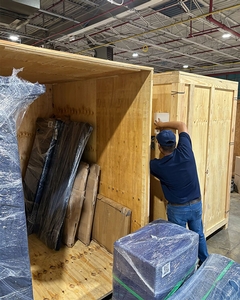
Home contents cleaning after a disaster is an essential part of the recovery process that is often overlooked. When a fire, water leak, storm, smoke event, or other disaster affects a home, the damage is not limited to the structure. Furniture, clothing, electronics, artwork, documents, photographs, appliances, and other personal belongings can also be contaminated or damaged.
For many homeowners, the first instinct is to throw away anything that looks damaged. But that can be an expensive decision, and in some cases, it can mean disposing of belongings that could have been professionally restored.
Professional contents cleaning and restoration takes a different approach. Instead of immediately treating damaged belongings as losses, restoration specialists assess what happened, document the contents, determine what can potentially be recovered, and apply appropriate cleaning and restoration methods.
At CRDN Team Crouch, we believe the question after a disaster should not simply be, “What needs to be replaced?”
It should first be:
“What can be saved?”
That philosophy is at the heart of professional contents restoration.
Home Contents Cleaning After a Disaster: What Does the Process Involve?
Home contents cleaning after a disaster involves the assessment, documentation, cleaning, restoration, protection, and storage of household belongings affected by a disaster.
The exact process depends on the type of loss.
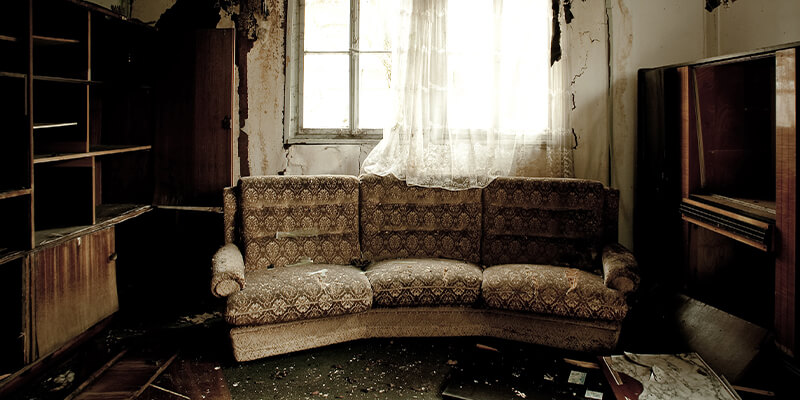
A fire may leave behind smoke, soot, heat damage, and odor. A burst pipe can saturate furniture, clothing, electronics, and documents with water. A severe storm can introduce rainwater, mud, debris, and contaminants into the home.
Because every disaster is different, professional restoration begins with assessment, not simply cleaning.
A typical contents restoration process can include:
- Damage assessment
- Contents inventory
- Photography and documentation
- Contents packout
- Transportation
- Specialized cleaning
- Restoration and deodorization
- Climate-controlled storage
- Property restoration coordination
- Pack-back and return of belongings
This structured approach helps prevent additional damage while giving potentially restorable belongings an opportunity to be recovered.
What Types of Disasters Can Damage Home Contents?
Household belongings can be affected by many different disasters, and each type of damage presents unique restoration challenges.
Fire and Smoke Damage
A fire can destroy belongings directly through flames and heat. However, smoke and soot can affect items far beyond the immediate fire area.
Smoke can penetrate porous materials such as:
- Clothing
- Upholstery
- Carpets
- Furniture
- Curtains
- Books
- Documents
- Mattresses
This makes fire damage contents restoration an important component of fire recovery.
Even items that did not burn may require professional cleaning because smoke residue and odor can remain long after the fire has been extinguished.
Water Damage
Water damage can result from:
- Burst pipes
- Appliance failures
- Roof leaks
- Flooding
- Sprinkler systems
- Firefighting efforts
Water can cause swelling, staining, warping, corrosion, mold growth, and deterioration.
Professional water damage contents restoration focuses on removing affected belongings from damaging conditions and determining the most appropriate recovery method.
Storm Damage
Severe storms can introduce wind-driven rain, mud, debris, and moisture into a home.
Furniture, clothing, electronics, documents, artwork, and other contents may become damaged even when the home's structural damage appears relatively limited.
Mold and Moisture Damage
When belongings remain wet or are exposed to high humidity for extended periods, mold and microbial growth can become concerns.
This is particularly challenging for porous materials because moisture can penetrate below the visible surface.
Professional evaluation can help determine which contents can be safely restored and which may require replacement.
Why You Should Not Automatically Throw Away Damaged Belongings
One of the most important principles in professional contents restoration is simple:
Damaged does not always mean destroyed.
A piece of furniture covered in smoke residue may be cleanable. A garment affected by smoke odor may be restorable. A document exposed to water may have recovery options. An electronic device affected by moisture may require specialized evaluation rather than immediate disposal.
The restoration potential of an item can depend on:
- The material
- Type of damage
- Severity of contamination
- Duration of exposure
- Moisture level
- Heat exposure
- Structural condition
- Restoration methodology
- Cost and practicality of restoration
This is why professional contents restoration services evaluate belongings before determining whether replacement is necessary.
The financial value of an item is also not always the most important consideration.
Some possessions have sentimental value that cannot be replaced.
A wedding dress.
A family photograph.
A handwritten letter.
A child's artwork.
A family Bible.
An heirloom.
A professional restoration process gives these belongings an opportunity to be evaluated before they are written off.
The Contents Inventory: The Foundation of Organized Recovery
After a major disaster, it can be surprisingly difficult to remember everything that was inside a home.
A professional contents inventory provides a structured record of affected belongings.
Depending on the project, documentation can include:
- Item descriptions
- Quantity
- Location
- Photographs
- Condition
- Damage category
- Restoration status
- Storage status
- Replacement considerations
This information can become particularly valuable during an insurance claim.
A contents inventory helps establish what was present, what was damaged, what may be restorable, and what ultimately requires replacement.
It can also help reduce confusion when hundreds or even thousands of individual belongings are involved.
Importantly, a restoration company does not determine insurance coverage. Coverage depends on the terms, conditions, exclusions, endorsements, and limits of the applicable policy and the insurer's claim determination.
The role of professional restoration is to provide accurate documentation and help manage the physical recovery process.
Contents Packout Services: Removing Belongings From the Damage
Leaving household belongings inside a damaged property can expose them to additional contamination or deterioration.
This is where contents packout services become an important part of disaster recovery.
A professional packout involves much more than putting possessions into boxes.
The process can include:
- Identifying affected contents
- Photographing belongings
- Creating an inventory
- Categorizing items
- Carefully packing contents
- Labeling and tracking items
- Transporting belongings
- Cleaning and restoring eligible contents
- Placing items in appropriate storage
Insurance packout services can also provide organized documentation that supports the contents portion of an insurance claim.
Removing belongings can additionally make it easier for contractors to perform structural restoration without working around furniture, clothing, electronics, and other household possessions.
How Professional Contents Cleaning Differs From Ordinary Cleaning
A common misconception is that contents restoration is simply a more thorough version of household cleaning.
It is not.
Ordinary cleaning generally focuses on maintaining a property under normal conditions.
Disaster restoration involves identifying and treating contamination or damage caused by an abnormal event.
For example, smoke-covered furniture may require specialized treatment based on the type of residue present. Water-damaged documents may require completely different handling from a wooden table. A delicate textile may require different treatment from a synthetic garment.
The question is not simply:
“How do we clean this?”
The better question is:
“What happened to this item, what is it made of, and what restoration method is appropriate?”
That distinction is one of the reasons professional contents cleaning and restoration is so valuable after a disaster.
Specialized Cleaning for Different Types of Household Contents
A home can contain hundreds of different materials, and each may respond differently to fire, smoke, water, and contamination.
Clothing and Textiles
Clothing can absorb smoke, soot, water, and odors.
Professional textile restoration can be used to evaluate and treat items such as:
- Clothing
- Bedding
- Curtains
- Linens
- Rugs
- Upholstery
The appropriate cleaning method depends on the fabric and type of damage.
Furniture
Furniture can be affected by smoke, soot, water, humidity, and odor.
Wood, leather, upholstered, and composite furniture each have different restoration considerations.
Professional evaluation helps determine whether furniture can be cleaned, deodorized, repaired, or otherwise restored.
Electronics
Electronics are especially sensitive to moisture, soot, heat, and corrosion.
Professional electronics restoration may be appropriate for certain damaged devices.
However, water- or fire-affected electronics should not simply be powered on to see whether they still work. Professional evaluation should come first.
Documents and Books
Documents and books can be extremely difficult to replace, particularly when they contain personal, legal, historical, or business information.
Document restoration may provide recovery options depending on the extent and type of damage.
Artwork and Collectibles
Artwork, photographs, antiques, sculptures, and collectibles can require specialized handling.
Aggressive cleaning methods may permanently damage delicate surfaces, making professional assessment particularly important.
Smoke Odor Removal: Why the Smell Can Remain After Cleaning
One of the most persistent problems after a fire is smoke odor.
A home may look clean while still smelling strongly of smoke.
That happens because smoke can penetrate porous materials and settle into surfaces.
Smoke odor may remain in:
- Furniture
- Upholstery
- Clothing
- Carpets
- Curtains
- Mattresses
- Wood
- Paper products
Effective smoke odor removal focuses on addressing the contamination rather than simply covering the smell with air fresheners.
The U.S. Environmental Protection Agency explains that smoke contains fine particles and other pollutants that can enter indoor environments. The EPA also recommends appropriate cleaning practices after smoke and ash exposure, including avoiding methods that unnecessarily put particles back into the air. U.S. EPA – Wildfires and Indoor Air Quality
This reinforces an important principle of professional contents restoration: visible cleanliness and actual contamination control are not necessarily the same thing.
Climate-Controlled Storage During Contents Restoration
Once contents have been removed from a damaged property, they still need to be protected.
Climate-controlled storage can provide an appropriate environment for belongings while restoration work continues.
This can be particularly important for:
- Furniture
- Clothing
- Documents
- Artwork
- Electronics
- Photographs
- Collectibles
- Wooden belongings
Storage can help separate the contents from ongoing construction and restoration activities.
It can also reduce the likelihood of belongings being exposed to additional dust, moisture, temperature fluctuations, or other environmental conditions that could contribute to deterioration.
For homeowners, this creates a clear separation between restoring the structure and restoring the contents.
How Contents Restoration Works With Insurance Claims
A disaster can create a complicated insurance documentation process.
Depending on the circumstances, a claim may involve:
- Property damage
- Contents inventory
- Photographs
- Restoration estimates
- Cleaning records
- Packout documentation
- Storage records
- Restoration reports
- Replacement information
Professional insurance restoration services can help organize the restoration side of this process.
A restoration company may work with homeowners, property managers, insurance professionals, and other stakeholders to document what happened and track the contents throughout restoration.
The key is maintaining accurate records.
A well-documented restoration process helps everyone understand:
- What was affected
- What was removed
- What was restored
- What remains in storage
- What may need replacement
Again, the restoration company does not decide what an insurer will or will not cover. That determination belongs to the insurance carrier under the applicable policy.
When Should Contents Be Removed From the Home?
Contents should be evaluated for removal when leaving them in place could expose them to additional damage or interfere with restoration work.
Examples include situations where:
- The property has sustained significant smoke damage
- Contents have been exposed to water
- Structural repairs are required
- Mold or excessive moisture is present
- Construction debris could contaminate belongings
- Smoke odor continues to affect contents
- The property cannot provide appropriate environmental conditions
A professional assessment can help determine which contents should be packed out immediately and which may be safely left in place.
This is another reason why restoration should begin with an evaluation rather than a one-size-fits-all approach.
Common Mistakes Homeowners Make After a Disaster
1. Throwing Away Everything That Looks Damaged
Some items may be restorable.
Have valuable or sentimental belongings evaluated before disposing of them whenever it is safe and practical.
2. Attempting to Clean Soot With Household Products
Improper cleaning can spread soot or cause additional staining and damage.
3. Leaving Wet Contents in Place
Extended moisture exposure can increase deterioration and create additional problems.
4. Turning On Damaged Electronics
Electronics exposed to water or other contaminants should be professionally assessed before being powered on.
5. Mixing Damaged and Undamaged Contents
Keeping affected belongings separated from unaffected items can help reduce the risk of additional contamination.
6. Failing to Document Belongings
Without photographs and an inventory, it may become difficult to accurately establish the condition and status of individual items.
7. Using Odor-Masking Products Instead of Addressing the Source
Air fresheners may temporarily mask odors without addressing underlying smoke contamination.
What Should You Do Immediately After a Disaster?
The appropriate response depends on the type of disaster, but several general principles apply.
1. Put Safety First
Do not enter a property that has been declared unsafe.
Follow instructions from emergency responders and local authorities.
2. Contact Your Insurance Company
Report the loss and understand what your insurer requires as you begin the claim process.
3. Document the Damage
When it is safe to do so, photograph and record the condition of the property and contents.
4. Avoid Unnecessary Cleaning
Do not assume that household cleaning products are appropriate for smoke, soot, contaminated water, or delicate belongings.
5. Protect Unaffected Belongings
If safe and practical, separate unaffected contents from damaged or contaminated items.
6. Arrange a Professional Contents Assessment
A restoration professional can help identify which belongings may require immediate packout, cleaning, storage, or specialized restoration.
For fire-related losses, the U.S. Fire Administration recommends considering safety, insurance, property documentation, and salvage as part of the recovery process following a home fire. U.S. Fire Administration – Helping Community Residents After a Home Fire
Can Professional Restoration Save You Money?
Potentially, yes.
Replacing every damaged item can become extremely expensive, especially after a major disaster.
Professional restoration provides another option: recover what is restorable and replace only what cannot reasonably be recovered.
This can be particularly valuable for:
- Large furniture collections
- Extensive wardrobes
- Electronics
- Artwork
- Business records
- Books
- Family photographs
- Collectibles
- Heirlooms
However, the goal should not be to restore everything at any cost.
Professional restoration requires an informed evaluation of the item's condition, restoration feasibility, value, and circumstances.
The objective is to make the best restoration decision for each item.
Why Contents Restoration Is About More Than Property
A home contains more than physical possessions.
It contains memories.
A photograph may have little replacement value but enormous emotional value. A child's favorite blanket may be inexpensive but irreplaceable to the family. A wedding dress may represent decades of memories.
This is why professional home contents cleaning after a disaster is not simply about cleaning objects.
It is about giving homeowners an opportunity to recover parts of their lives that a disaster has disrupted.
That is one of the most important differences between ordinary cleaning and professional contents restoration.
The CRDN Team Crouch Approach to Home Contents Restoration
At CRDN Team Crouch, we approach contents restoration with a simple principle:
Restore what can be restored. Replace what cannot.
Our approach to home contents cleaning after a disaster can include:
- Contents assessment
- Contents inventory
- Contents packout services
- Insurance packout services
- Contents cleaning and restoration
- Fire damage contents restoration
- Water damage contents restoration
- Smoke damage restoration
- Textile restoration
- Electronics restoration
- Document restoration
- Fine art restoration
- Furniture restoration
- Smoke odor removal
- Climate-controlled storage
- Pack-back services
This specialized approach allows restoration decisions to be made based on the actual condition of each item rather than assuming that everything exposed to a disaster is automatically a total loss.
For CRDN Team Crouch, contents restoration is also about communication and documentation.
Homeowners need to know what happened to their belongings.
Insurance professionals need accurate information.
Restoration teams need a structured workflow.
And families need confidence that every reasonable restoration opportunity has been considered.
That is what professional contents restoration is designed to provide.
Home Contents Cleaning After a Disaster FAQs
What is home contents cleaning after a disaster?
Home contents cleaning after a disaster is the professional assessment, cleaning, restoration, deodorization, storage, and return of household belongings affected by fire, smoke, water, storms, or other disasters.
Can fire-damaged belongings be restored?
Yes, many fire- and smoke-damaged belongings may be candidates for restoration depending on the material, severity of damage, and type of contamination. Professional evaluation should come before assuming an item is a total loss.
What is a contents packout?
A contents packout is the organized process of documenting, packing, removing, transporting, and storing belongings from a damaged property so they can be protected, cleaned, restored, or evaluated.
Why is a contents inventory important?
A contents inventory provides a documented record of affected belongings, including descriptions, photographs, condition, and restoration status. It can also help organize the contents portion of an insurance claim.
Can smoke-damaged clothing be restored?
In many circumstances, yes. Professional textile restoration and clothing restoration can address smoke, soot, and odors depending on the type and condition of the garment.
Should I clean damaged contents myself?
For minor, non-contaminated damage, homeowners may be able to perform some basic cleaning. However, significant fire, smoke, water, soot, mold, or contaminated-water damage can require specialized methods. Professional assessment can help prevent additional damage.
What happens to belongings during a packout?
Belongings are typically documented, carefully packed, transported, evaluated, cleaned or restored when appropriate, and stored until they can be returned to the property.
Does contents restoration include storage?
Yes. Depending on the circumstances, contents can be placed in climate-controlled storage during the restoration process to help protect them while the property is being repaired.
Is contents restoration covered by insurance?
It depends on the specific insurance policy and circumstances of the loss. Restoration professionals can document and manage the restoration process, while the insurance carrier determines coverage.
Your Belongings May Not Be Lost
After a disaster, it is natural to look around your home and see everything through the lens of damage.
But not everything that is damaged is necessarily lost.
Home contents cleaning after a disaster provides homeowners with a structured way to assess, protect, clean, restore, and recover their belongings.
From fire-damaged clothing and smoke-affected furniture to water-damaged documents, electronics, artwork, and family possessions, professional restoration can provide options that may not be obvious at first.
At CRDN Team Crouch, we believe the restoration process should begin with a careful question:
“What can we save?”
Because restoring a building is only part of disaster recovery.
The belongings inside that building are often what make it a home.
CRDN Team Crouch — Restoring More Than Property.
If your home has experienced fire, smoke, water, storm, or other disaster damage, contact CRDN Team Crouch at (903) 908-1919 or visit www.crdntx.com to discuss professional contents cleaning and restoration services.