Items Affected by Fire and Water Damage: What Can Be Restored and What Must Be Replaced?
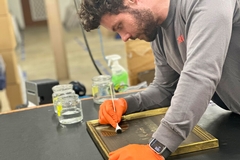
Items affected by fire and water damage are not always beyond recovery. After a house fire, burst pipe, flood, or other property disaster, belongings such as furniture, clothing, electronics, documents, artwork, and personal possessions may appear completely ruined. However, depending on the type and severity of the damage, many items may still be candidates for professional restoration.
For homeowners and businesses, understanding the difference between a restorable item and a total loss can make a significant difference during recovery. Replacing every damaged possession can be expensive, while attempting to clean certain items without the proper equipment or expertise can cause further damage.
This is where professional contents restoration becomes essential.
At CRDN Team Crouch, we approach disaster recovery with a fundamental principle: evaluate belongings carefully before deciding whether they should be restored or replaced. Through professional assessment, contents inventory, specialized cleaning, and appropriate restoration techniques, damaged possessions can be evaluated for their recovery potential.
Whether you are dealing with fire-damaged clothing, water-damaged electronics, smoke-contaminated furniture, or documents affected by flooding, knowing what can potentially be saved is the first step toward making informed decisions.
In this guide, we explain which items affected by fire and water damage may be restorable, which may need replacement, and how professional contents cleaning and restoration can help homeowners and businesses recover after a disaster.
Items Affected by Fire and Water Damage: What Determines Whether They Can Be Restored?
Items affected by fire and water damage require individual assessment because not all materials respond to damage in the same way.
An upholstered sofa exposed to smoke may require a different restoration approach from a wooden dining table affected by water. Similarly, a water-damaged electronic device presents different challenges from a family photograph exposed to soot.
Several factors influence whether an item can be restored.
1. Type of Damage
The first consideration is the type of damage the item sustained.
Fire-related damage may involve:
- Direct flame exposure
- Heat damage
- Smoke contamination
- Soot deposits
- Persistent odors
- Water from firefighting efforts
Water-related damage may involve:
- Moisture absorption
- Swelling and warping
- Staining
- Corrosion
- Mold growth
- Contamination from floodwater
Understanding the type of damage helps restoration professionals determine which cleaning and recovery methods may be appropriate.
2. Severity of the Damage
An item exposed to light smoke residue may have a better restoration outlook than one directly exposed to intense heat.
Likewise, a wooden table affected by a minor plumbing leak may be more recoverable than one submerged in contaminated floodwater for an extended period.
3. Material Composition
Different materials react differently to heat, moisture, soot, and cleaning agents.
Wood, leather, textiles, electronics, paper, plastics, and delicate artwork each have unique restoration requirements.
4. Length of Exposure
The length of time an item remains exposed to moisture, smoke, or other contaminants can influence the restoration outcome.
Prompt professional assessment may help limit additional deterioration.
5. Restoration Feasibility
Even when an item can technically be cleaned, restoration may not always be practical.
Professionals may consider the item's condition, restoration requirements, value, and replacement options when determining the appropriate next step.
The key principle is simple: damaged belongings should be evaluated individually rather than automatically classified as total losses.
Items Affected by Fire Damage: What Can Be Saved?
Fire can damage belongings directly through flames and heat or indirectly through smoke, soot, and water used to extinguish the fire.
Fortunately, some items affected by fire damage may be candidates for professional restoration.
Furniture
Furniture is often among the most visibly affected categories after a fire.
Smoke and soot can contaminate upholstered furniture, wooden tables, chairs, cabinets, and other household furnishings.
Depending on the extent of damage, professional furniture restoration may help recover certain items through appropriate cleaning and deodorization techniques.
Potentially restorable:
- Wooden furniture with limited damage
- Upholstered furniture affected by certain levels of smoke contamination
- Tables and chairs exposed to soot
- Cabinets with surface contamination
Potentially beyond restoration:
- Furniture severely burned or structurally compromised
- Items with extensive heat damage
- Materials contaminated in ways that cannot be safely addressed
Professional assessment is necessary before determining whether furniture should be restored or replaced.
Clothing and Textiles
Clothing can absorb smoke odor and collect soot even when it has not been directly exposed to flames.
Professional textile restoration and clothing restoration may help recover certain garments, bedding, curtains, rugs, and other fabrics.
The restoration process depends on the fabric, the type of contamination, and the garment's condition.
For example, smoke-affected clothing may be a candidate for specialized cleaning, while clothing that has been severely burned may be beyond recovery.
Electronics
Electronics can be affected by heat, soot, smoke residue, and moisture.
Computers, televisions, appliances, and other electronic equipment should be evaluated carefully after a fire.
Professional electronics restoration may be appropriate in certain cases, but not every device can be safely recovered.
Never assume an electronic device is safe to operate simply because it appears undamaged externally.
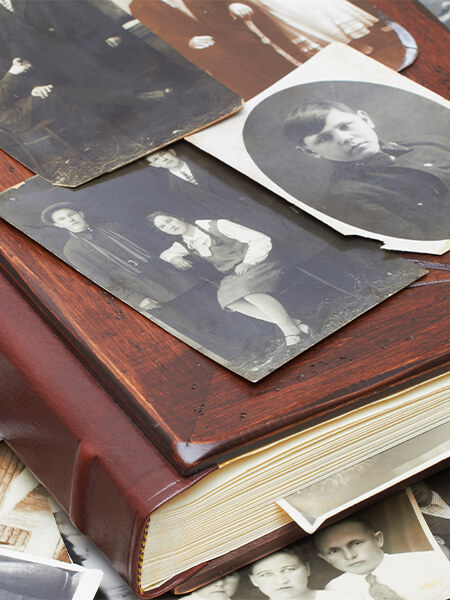
Documents and Photographs
Documents and photographs can have significant personal, legal, or historical value.
Fire and smoke may cause discoloration, odor, soot contamination, or physical deterioration.
Professional document restoration may provide recovery options for certain documents, photographs, books, and paper-based materials.
However, items that have been severely burned or reduced to ash cannot be restored through ordinary contents restoration processes.
Artwork and Collectibles
Paintings, sculptures, antiques, and collectibles may require specialized handling after a fire.
Their restoration potential depends on the materials involved, the severity of the damage, and the condition of the item.
Professional fine art restoration begins with careful assessment and documentation because inappropriate cleaning can cause additional damage.
Items Affected by Water Damage: What Can Be Restored?
Water damage can affect household contents in several ways.
Some materials absorb moisture, others swell or warp, and certain items can deteriorate rapidly when water exposure is prolonged.
The source of the water also matters.
Water from a clean plumbing supply presents different risks from sewage or floodwater that may contain harmful contaminants.
The U.S. Environmental Protection Agency explains that moisture control is important in preventing mold growth and recommends addressing water problems promptly. Its guidance on mold and moisture is available in A Brief Guide to Mold, Moisture and Your Home.
Wooden Furniture
Wood can absorb moisture, causing swelling, warping, discoloration, and damage to finishes.
Some wooden furniture may be recoverable when the damage is limited and appropriate restoration methods are available.
However, severe warping, delamination, structural damage, or extensive deterioration may make replacement the more practical option.
Clothing and Fabrics
Water-damaged clothing may be restorable depending on the source of the water, how long the fabric remained wet, and whether mold or other contamination has developed.
Professional textile restoration can help determine which garments can be treated safely.
Items exposed to sewage or contaminated floodwater require particular caution. They should not automatically be treated like clothing affected by a minor clean-water leak.
Electronics
Water exposure can cause corrosion and electrical damage, even when a device appears to function initially.
Water-damaged electronics should not be powered on before professional evaluation.
The restoration potential depends on the type of device, the nature of the water, the duration of exposure, and the extent of internal damage.
Documents and Books
Paper products absorb water quickly.
Books, photographs, certificates, personal records, and business documents may become stained, distorted, or physically weakened.
Professional document restoration may help recover certain water-damaged materials, but success depends on the condition of the contents and how quickly appropriate recovery measures begin.
Mattresses and Upholstered Items
Mattresses, cushions, and upholstered furniture can retain moisture deep inside their materials.
If water is contaminated or moisture remains trapped, these items may present hygiene and mold concerns.
Professional evaluation is important before deciding whether such belongings can be safely restored.
How Smoke, Soot, and Odor Affect Restorable Belongings
Not every fire-damaged item shows obvious physical damage.
Smoke can travel through a property, affecting belongings in rooms where flames never reached.
Soot can settle on surfaces, while smoke odors may penetrate porous materials.
This makes smoke damage restoration an important part of contents recovery.
Items that may require specialized cleaning include:
- Clothing
- Furniture
- Curtains
- Carpets
- Books
- Artwork
- Electronics
- Decorative objects
Professional soot removal involves selecting cleaning methods appropriate for the affected material and residue.
Improper cleaning can sometimes spread soot or create permanent staining.
Similarly, smoke odor removal should focus on addressing the source of the odor rather than simply masking it with fragrances.
At CRDN Team Crouch, contents restoration is approached as a material-specific process. The objective is to determine the most appropriate recovery method for each item rather than applying the same cleaning technique to everything.
When Should Damaged Items Be Replaced Instead of Restored?
Professional restoration does not mean every damaged item should be saved.
Some belongings may be too damaged, unsafe, contaminated, or impractical to restore.
Replacement may be appropriate when:
1. The Item Has Sustained Severe Structural Damage
Furniture that has been extensively burned or weakened may no longer be structurally sound.
2. Heat Has Destroyed the Material
Items that have melted, burned through, or lost their essential structural integrity may be beyond recovery.
3. Contamination Cannot Be Safely Addressed
Certain items exposed to sewage, hazardous substances, or other contaminants may not be suitable for restoration.
4. Mold or Moisture Damage Is Extensive
Porous materials that have deteriorated significantly or cannot be safely restored may require replacement.
5. Restoration Is Not Practical
Sometimes, the cost, time, or technical requirements of restoration may make replacement the more reasonable option.
These decisions should be made after appropriate assessment, taking into account the item's condition and the circumstances of the loss.
Professional restoration is not about saving everything at any cost. It is about making informed decisions about what can reasonably be recovered.
Contents Packout Services: Protecting Belongings During Restoration
After a significant fire or water loss, leaving belongings inside the property may expose them to additional damage.
This is where contents packout services become valuable.
A professional packout involves carefully documenting, packing, removing, and transporting contents so they can be evaluated, cleaned, restored, or stored.
The process may include:
- Photographing affected belongings
- Creating a detailed contents inventory
- Categorizing items by condition
- Packing contents appropriately
- Labeling and tracking belongings
- Transporting items to an appropriate facility
- Coordinating cleaning and restoration
- Arranging storage when necessary
- Returning restored belongings after the property is ready
Insurance packout services can also help organize documentation for the contents portion of an insurance claim.
A packout is more than moving items out of a damaged property. It establishes a structured process for protecting and tracking belongings throughout restoration.
Why Contents Inventory Matters for Insurance Claims
After a major disaster, homeowners may need to account for hundreds of individual possessions.
Trying to remember every affected item can be difficult, particularly when the damage is extensive.
A professional contents inventory can document:
- Item descriptions
- Quantities
- Photographs
- Condition
- Damage category
- Restoration status
- Storage status
- Replacement considerations
This information can support insurance restoration services by creating a clearer record of the contents involved in the loss.
However, homeowners should understand that a restoration company does not determine insurance coverage.
Coverage depends on the applicable insurance policy and the insurer's claim determination.
The restoration company's role is to document the condition of the belongings, manage the restoration process, and provide relevant records.
Accurate documentation can help reduce confusion and improve communication among homeowners, restoration professionals, and insurance stakeholders.
The Role of Climate-Controlled Storage in Contents Restoration
When contents are removed from a damaged property, they may need to remain in storage while structural repairs and cleaning take place.
Climate-controlled storage can help protect eligible belongings from environmental conditions that could contribute to further deterioration.
Depending on the item and storage conditions, this may be particularly important for:
- Furniture
- Textiles
- Artwork
- Documents
- Electronics
- Photographs
- Collectibles
Storage also allows contractors to work on the damaged property without having to navigate around large quantities of household contents.
Once restoration is complete and the property is ready, pack-back services can help return belongings to the home.
This creates a more organized transition from damage assessment to full recovery.
Common Mistakes When Handling Items Affected by Fire and Water Damage
Homeowners understandably want to begin cleaning and rebuilding as soon as possible. However, some actions can make contents restoration more difficult.
Throwing Away Everything Immediately
Some belongings may still be restorable.
Whenever it is safe and practical, have valuable or sentimental items evaluated before discarding them.
Attempting to Clean Soot Without Professional Guidance
Improper cleaning can spread contamination or damage sensitive materials.
Turning On Water-Damaged Electronics
Powering on a damaged device can create additional problems. Professional evaluation should come first.
Leaving Wet Contents Untreated
Prolonged moisture exposure can increase deterioration and create conditions favorable to mold growth.
Mixing Damaged and Undamaged Belongings
Where appropriate, keeping affected items separate can help reduce the risk of transferring contamination.
Failing to Document the Damage
Photographs, inventories, and restoration records can be important during the recovery process.
Assuming Every Item Must Be Replaced
Replacement should be based on an informed assessment rather than appearance alone.
How CRDN Team Crouch Helps Restore Items Affected by Fire and Water Damage
At CRDN Team Crouch, we understand that disaster recovery involves more than repairing a building.
The belongings inside that building can carry financial, practical, and sentimental value.
Our contents-focused approach helps homeowners and businesses evaluate damaged possessions and determine which restoration options may be appropriate.
Depending on the circumstances, professional services can include:
- Contents assessment
- Contents inventory
- Contents packout services
- Insurance packout services
- Contents cleaning and restoration
- Fire damage contents restoration
- Water damage contents restoration
- Smoke damage restoration
- Textile restoration
- Electronics restoration
- Document restoration
- Fine art restoration
- Furniture restoration
- Smoke odor removal
- Climate-controlled storage
- Pack-back services
Each item should be considered according to its condition, material, and type of damage.
This approach helps avoid assumptions and creates a clearer process for determining what can be restored and what may need replacement.
Our guiding principle is straightforward:
Restore what can be restored. Replace what cannot. Document the difference.
That is how professional contents restoration supports a more organized recovery after a disaster.
Items Affected by Fire and Water Damage: Frequently Asked Questions
Can items affected by fire and water damage be restored?
Yes. Many items affected by fire and water damage may be candidates for professional restoration. The outcome depends on the material, severity of damage, type of contamination, and feasibility of restoration.
What items can usually be restored after a fire?
Depending on their condition, clothing, furniture, documents, photographs, artwork, and certain electronics may be candidates for restoration. Items that have been severely burned or structurally destroyed may require replacement.
Can water-damaged furniture be restored?
Some water-damaged furniture can be restored, particularly when damage is limited and the item can be treated appropriately. Severe warping, structural damage, contamination, or deterioration may make replacement necessary.
Can smoke-damaged clothing be cleaned?
Yes, some smoke-damaged clothing can be professionally cleaned and restored. The appropriate method depends on the fabric, contamination, and extent of damage.
Should I turn on electronics after water damage?
No. Water-damaged electronics should be professionally evaluated before being powered on because moisture can create electrical hazards and damage internal components.
What is a contents packout?
A contents packout is the organized removal, documentation, packing, transportation, and storage of belongings from a damaged property so they can be protected, cleaned, restored, or evaluated.
Does insurance cover contents restoration?
Coverage depends on the applicable insurance policy and the circumstances of the loss. A restoration company can help document the damage and manage restoration activities, but the insurer determines coverage.
How quickly should restoration begin?
Professional assessment should begin as soon as the property is safe to enter. Prompt evaluation can help identify priorities and reduce the risk of additional damage.
Damaged Does Not Always Mean Lost
When fire or water damages a home, it is easy to assume that everything affected must be replaced.
But items affected by fire and water damage may have more recovery potential than their initial appearance suggests.
Furniture, clothing, electronics, documents, artwork, photographs, and other belongings should be evaluated according to the type and severity of damage before restoration or replacement decisions are made.
Professional contents restoration provides a structured process for assessing, documenting, cleaning, protecting, and recovering eligible belongings.
At CRDN Team Crouch, we believe that successful disaster recovery starts with understanding what can be saved.
Because restoring a property is important, but helping people recover the belongings that make it a home matters just as much.
CRDN Team Crouch — Restoring More Than Property.
If your home or business has experienced fire, smoke, or water damage, contact CRDN Team Crouch at (903) 908-1919 or visit www.crdntx.com to discuss professional contents restoration services.
Categories
Recent Posts
-
October 13, 2026
Items Affected by Fire and Water Damage: What Can Be Restored and What Must Be Replaced?
-
October 8, 2026
Fire Damage Restoration: How Professional Restoration Can Save Your Home and Belongings After a Fire
-
October 6, 2026
Home Contents Cleaning After a Disaster: How Professional Restoration Can Save Your Belongings