The Ultimate Guide to CRDN Textile Restoration Services: How We Restore What Matters Most After Disaster
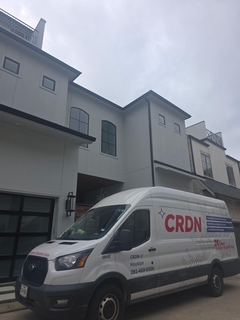
Textile Restoration is one of the most crucial and overlooked components of disaster recovery. When fire, water, smoke, mold, or storm events damage a home or business, the contents inside, especially clothing, bedding, rugs, uniforms, soft goods, and textiles, often suffer the greatest impact. These items carry not only financial value but emotional significance. They represent comfort, memories, identity, and daily needs.
That is why CRDN Team Crouch has become a trusted leader across Arkansas, Memphis, Northwest Houston, and Southwest Houston. With industry-certified processes, advanced technology, and compassionate service, CRDN brings Textile Restoration to a level that transforms disaster into recovery.
According to the National Fire Protection Association (NFPA), more than 350,000 home fires occur annually, while FEMA reports that even one inch of water can result in tens of thousands of dollars in damage. The fabrics inside a structure absorb smoke, soot, moisture, mold spores, and odors rapidly, making Textile Restoration a critical early step in the recovery process.
This guide explains exactly how CRDN restores textiles, what makes our process superior, and why families, businesses, contractors, and insurers trust us nationwide.
Textile Restoration, What It Really Means and Why It Matters After Disaster
When homeowners or businesses experience fire or water damage, they often focus on the walls, floors, and structure. But Textile Restoration addresses the everyday items that families need and businesses depend on to function.
Textiles are especially vulnerable to soot, odor, ash, contaminated water, and mold. The Centers for Disease Control and Prevention (CDC) warns that smoke residue contains harmful chemicals, including benzene and formaldehyde, that cling to fabrics and pose respiratory and skin risks if not properly removed.
Similarly, the Environmental Protection Agency (EPA) notes that mold begins to grow within 24–48 hours of moisture exposure.
This makes professional Textile Restoration not just helpful, but essential.
CRDN Team Crouch’s approach ensures:
Faster recovery
Higher salvage rates
Safer and healthier living environments
Lower insurance costs
Preservation of sentimental and high-value items
When done right, Textile Restoration saves money, saves memories, and supports emotional healing after trauma.
The CRDN Textile Restoration Process, Step by Step
Our Textile Restoration approach follows a structured, scientific method used by leading restoration specialists nationwide. It is grounded in standards supported by the Institute of Inspection Cleaning and Restoration Certification (IICRC) and adapted to meet the unique needs of each disaster scenario.
Below is a complete breakdown of how CRDN restores your belongings after fire or water damage.
Emergency Response & Initial Assessment
Disaster does not wait, and neither do we. CRDN Team Crouch responds quickly to evaluate textile damage on-site.
We inspect:
Smoke and soot penetration
Water or moisture exposure
Odor intensity
Textile type (synthetic, natural, blended, delicate)
Potential contamination (sewage, mold, chemicals)
This first contact sets the stage for effective Textile Restoration, ensuring no item is overlooked.
Digital Inventory, Barcoding & Photo Documentation
CRDN uses a detailed digital inventory system to track every item.
Each textile is:
Photographed
Barcoded
Logged by category and location
Documented for insurance claim support
This transparency ensures accuracy and prevents loss during processing. The National Association of Insurance Commissioners (NAIC) recommends detailed documentation to minimize claim disputes, CRDN’s process surpasses industry expectations.
Secure Packout & Transport to CRDN Facility
After documentation, textiles are safely packed, sealed, and transported in climate-controlled vehicles to prevent secondary contamination.
This protects items from:
Additional smoke exposure
Humidity
Mold growth
Cross-contamination
The packout process is conducted with care and respect, because textiles are more than objects; they are a part of home and daily life.
Advanced Cleaning, Deodorization & Sanitization
This is the heart of CRDN’s Textile Restoration expertise.
Our specialized methods include:
Hydroxyl and ozone deodorization systems to neutralize smoke odors
pH-balanced detergents designed for fire/smoke recovery
Advanced washing cycles tailored to fiber type
Antimicrobial treatments for water-damaged textiles
Delicate cleaning protocols for leather, suede, and specialty fabrics
These processes remove:
Soot
Ash
Odor molecules
Bacteria
Mold spores
Contaminants from fire and water events
CRDN restores items that most homeowners assume are beyond saving, often with better results than they expect.
Textile Drying & Finishing
Proper drying is essential in Textile Restoration. CRDN uses climate-controlled environments and low-heat drying systems to protect fibers and prevent shrinkage or odor reactivation.
Finishing includes:
Pressing
Steaming
Spot correction
Rehanging of draperies
Reassembly of multi-piece bedding or garments
Every textile is returned in a ready-to-use condition.
Quality Control & Final Inspection
Before items return home or to a business, CRDN Team Crouch performs a rigorous final inspection.
Technicians verify:
Full odor removal
Stain elimination
Structural integrity of fabrics
Cleanliness and sanitization levels
Correct inventory match
If an item does not meet CRDN restoration standards, it is reprocessed until perfect.
Pack-Back & Full Reinstallation
Once restoration work is complete, CRDN returns all textiles to the home or business.
This includes:
Putting clothing back in closets
Rehanging draperies
Laying rugs in their proper locations
Delivering items organized by room
This is the moment property owners feel life returning to normal.
Why Textile Restoration Matters More Than Replacement
Many people assume that replacing items after disaster is easier. However, Textile Restoration provides major benefits:
It Saves Money
The Insurance Information Institute (III) states that restoring textiles can reduce claim costs by 60–70% compared to replacement.
Insurers trust CRDN because it preserves value while delivering high-quality results.
It Saves Time
Replacement requires:
Shopping
Sizing
Shipping
Approvals
Delays
Textile Restoration gets essentials back fast, often within 48–72 hours for rush items.
It Saves Memories
You cannot replace:
Heirloom quilts
Baby clothing
Wedding attire
Personal gifts
Specialty uniforms
CRDN restores what replacement cannot replicate: sentimental value.
It Protects the Environment
The EPA reports that 11 million tons of textiles end up in U.S. landfills yearly, much of which could be restored instead of discarded.
CRDN reduces waste through restoration-first solutions.
It Supports Emotional Recovery
The APA explains that restoring familiar belongings helps disaster survivors regain emotional grounding.
CRDN restores comfort, not just items.
CRDN Team Crouch, The Trusted Leader in Textile Restoration
What sets CRDN apart is not just technology, it’s the people.
CRDN Team Crouch offers a rare combination of:
Advanced technical skill
Deep compassion
Local expertise
Industry experience
Seamless insurance coordination
Community-centered service
Whether the disaster impacts a home, business, or multi-unit property, CRDN provides unmatched Textile Restoration support.
CRDN serves:
Homeowners
Property managers
Insurance adjusters
Contractors
Commercial facilities
Hospitality groups
Medical institutions
This broad capability makes CRDN a full-service partner during recovery.
Success Stories That Highlight the Power of Textile Restoration
Arkansas Home Fire
A family’s wardrobe, bedding, and sentimental quilts were heavily smoke-damaged. CRDN restored 92% of items, saving thousands and preserving precious memories.
Memphis Water Loss in Multi-Family Property
A broken pipe affected multiple units. CRDN restored textiles for six families, preventing long-term mold risk and accelerating their return home.
Houston Hurricane Flooding
CRDN restored uniforms, draperies, and electronics for a commercial facility, allowing them to reopen in record time.
These cases demonstrate why Textile Restoration is critical to community resilience.
After fire, water, or storm damage, every textile tells a story. With advanced processes, compassionate service, and unmatched expertise, CRDN Team Crouch protects what matters most.
Textile Restoration is not just cleaning, it is the recovery of comfort, routine, memory, and identity.
If disaster strikes, CRDN is ready to restore your clothing, bedding, uniforms, soft goods, and electronics with care that only true experts provide.
?? Call CRDN Team Crouch at (903) 908-1919
?? Learn more at https://www.crdntx.com/
CRDN — Restoring items, restoring lives.
Categories
Recent Posts
-
September 15, 2026
Home Content Cleaning After Disaster: How Professional Contents Restoration Can Save What Matters Most
-
September 8, 2026
Fire Damage Restoration: A Complete Guide to Recovering Your Home and Belongings After a Fire
-
September 3, 2026
Clothing Restoration After Fire and Water Damage: How Professional Restoration Can Save Your Wardrobe