The Costly Reality: How Secondary Damage Happens During Poorly Managed Contents Restoration
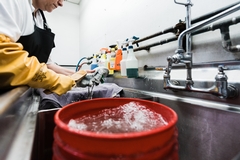
Secondary Damage During Contents Restoration is one of the most expensive, frustrating, and preventable outcomes following fire or water damage. While the original disaster may be unavoidable, the additional damage that occurs afterward is often the result of rushed decisions, improper handling, and a lack of professional oversight during the contents restoration process.
For homeowners and businesses alike, secondary damage can mean the difference between restoring belongings and facing permanent loss. Items that were initially salvageable, clothing, electronics, furnishings, documents, and soft contents, can deteriorate rapidly when restoration is poorly managed.
At CRDN Team Crouch, preventing secondary damage is a foundational priority. Our systems, training, and documentation processes are designed specifically to stop damage from escalating after the initial loss.
According to the National Fire Protection Association (NFPA), personal property losses make up a significant portion of total damage in fire-related incidents, making proper contents handling essential to overall loss control.
Secondary Damage During Contents Restoration — What It Really Means
Secondary Damage During Contents Restoration refers to additional deterioration that occurs after the initial fire or water event. This damage is not caused by flames, flooding, or storms, but by improper handling, delayed action, poor storage conditions, or untrained restoration practices.
Examples of secondary damage include:
Mold growth on damp textiles
Corrosion inside electronics
Odor reabsorption in cleaned fabrics
Cross-contamination between items
Structural dust or debris recontaminating restored contents
The Institute of Inspection Cleaning and Restoration Certification (IICRC) explains that improper contents handling significantly increases loss severity and often turns recoverable items into total losses.
How Delays Create Secondary Damage
Time is one of the most critical factors in preventing secondary damage.
When contents are left:
In damp environments
Inside smoke-damaged structures
Unpacked or undocumented for extended periods
Damage continues to progress.
The Environmental Protection Agency (EPA) notes that mold can begin developing within 24 to 48 hours of moisture exposure. Delayed packout or drying allows contamination to spread, making restoration far more difficult.
CRDN Team Crouch prioritizes rapid response to interrupt this damage cycle before it escalates.
Secondary Damage From Improper Packout Practices
Poorly executed packouts are one of the leading causes of secondary damage during contents restoration.
Common mistakes include:
Packing items while still wet
Mixing heavily contaminated items with lightly affected ones
Using non-breathable or inappropriate packing materials
Failing to label or document contents
These practices trap moisture, spread contaminants, and create ideal conditions for deterioration.
According to the Centers for Disease Control and Prevention (CDC), smoke residue contains hazardous compounds that cling to fabrics and surfaces. When items are packed improperly, these contaminants migrate and intensify secondary damage.
Cross-Contamination: A Silent Escalator of Damage
Cross-contamination occurs when contaminated items spread residue, odor, or moisture to items that were initially less affected.
During poorly managed contents restoration:
Smoke-damaged items can contaminate clean textiles
Mold spores can spread during shared storage
Odors can embed into surrounding materials
The Environmental Protection Agency (EPA) highlights that contaminants easily spread in enclosed environments, especially when airflow and humidity are uncontrolled.
CRDN Team Crouch isolates contents by contamination type to prevent this compounding damage.
Secondary Damage to Electronics and Appliances
Electronics are especially vulnerable to secondary damage.
Even after a fire or water loss:
Moisture trapped inside devices accelerates corrosion
Soot residue creates acidic reactions
Delayed cleaning allows internal damage to worsen
The National Fire Protection Association (NFPA) explains that soot residue forms corrosive acids that begin damaging electronics immediately after exposure.
Without prompt and proper handling, electronics that could have been restored safely may become total losses.
Odor Reabsorption After Improper Cleaning
Another form of secondary damage occurs when items that have been cleaned are returned to unsafe environments too soon.
If contents are placed back into spaces with:
Residual smoke odor
Ongoing moisture issues
Active construction dust
They can quickly reabsorb odors and contaminants.
The Environmental Protection Agency (EPA) notes that porous materials readily absorb airborne pollutants, making controlled environments essential during restoration.
CRDN Team Crouch prevents this by coordinating pack-back only after conditions are verified as safe.
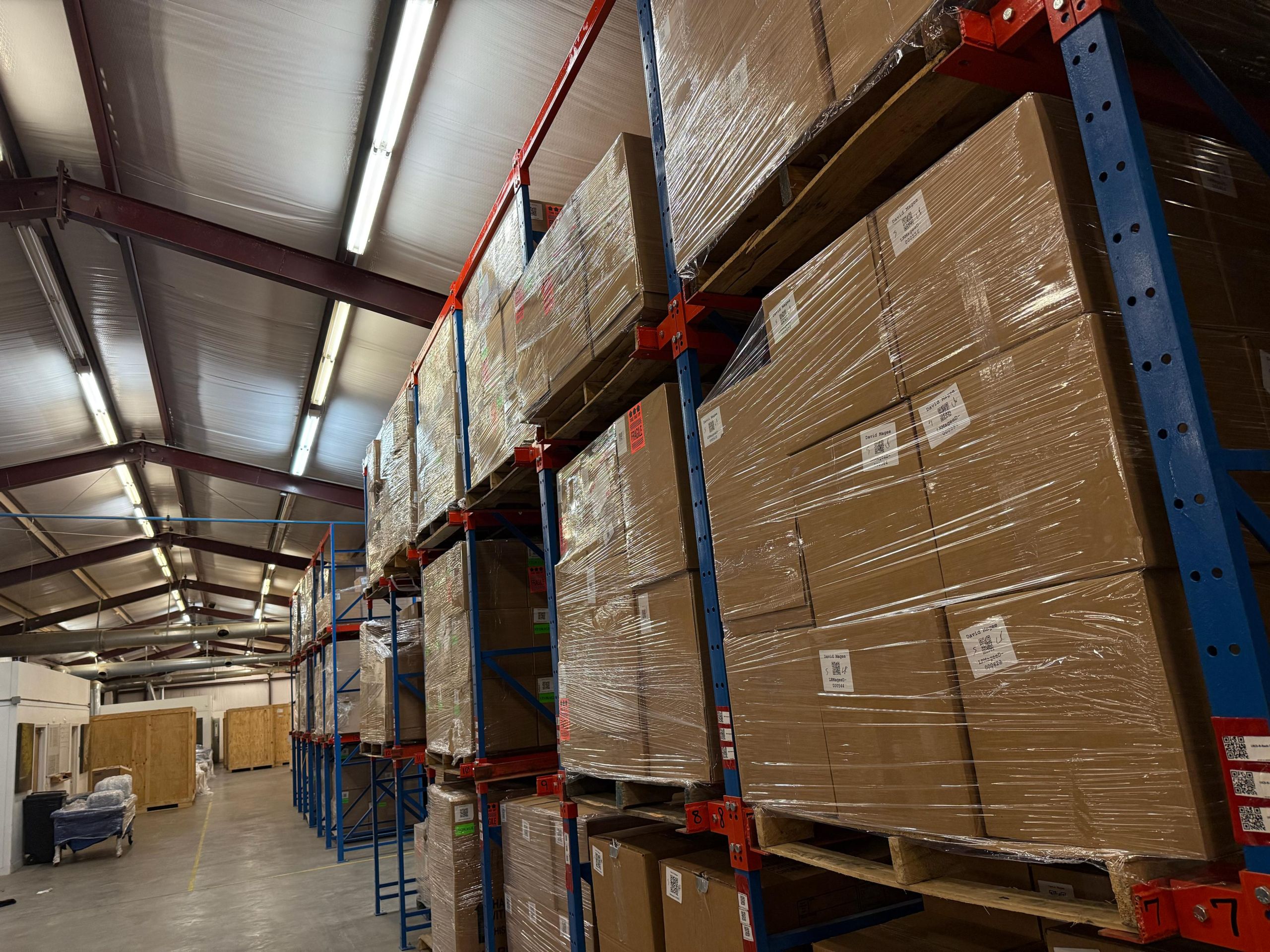
Secondary Damage During Storage
Improper storage is a major contributor to secondary damage during contents restoration.
Risks increase when items are:
Stored in non-climate-controlled spaces
Exposed to humidity fluctuations
Stacked without airflow
Left unmonitored
The Environmental Protection Agency (EPA) confirms that damp, enclosed storage conditions promote mold growth and material degradation.
CRDN Team Crouch uses secure, climate-controlled storage designed specifically for restored contents.
Documentation Failures That Lead to Secondary Loss
Secondary damage is not always physical, it can be administrative.
Poor documentation can result in:
Missing items
Disputes over condition changes
Inaccurate restoration vs. replacement decisions
The National Association of Insurance Commissioners (NAIC) identifies incomplete inventories as a leading cause of claim disputes, which can delay restoration and increase secondary losses.
CRDN Team Crouch’s detailed documentation protects contents from both physical and financial secondary damage.
Emotional and Financial Impact of Secondary Damage
Secondary damage compounds stress.
Families may experience frustration when items are returned unusable. Businesses may face extended downtime when operational assets deteriorate further after the initial loss.
The American Psychological Association (APA) explains that prolonged disruption after disasters increases emotional strain and slows recovery.
Preventing secondary damage supports not just property recovery, but emotional well-being.
Why Professional Oversight Prevents Secondary Damage
Preventing secondary damage requires expertise, systems, and accountability.
Professional contents restoration includes:
Immediate damage interruption
Contamination control
Material-specific handling
Climate-controlled storage
Clear documentation and communication
CRDN Team Crouch applies these principles consistently, preventing avoidable escalation of damage.
CRDN Team Crouch’s Role in Stopping Damage Escalation
CRDN Team Crouch approaches contents restoration as a controlled, end-to-end process.
Our focus is to:
Stabilize items quickly
Prevent contamination spread
Protect salvageability
Support insurance decisions
Restore items safely and responsibly
This disciplined approach is what positions CRDN Team Crouch as a trusted leader in contents restoration.
Why Secondary Damage Is Often More Costly Than the Original Loss
In many claims, secondary damage exceeds the original impact.
When items deteriorate after the loss:
Restoration options disappear
Replacement costs increase
Claim timelines extend
According to the Insurance Information Institute (III), restoration performed promptly and correctly can significantly reduce overall claim costs by preserving salvageable contents.
Secondary Damage During Contents Restoration is not inevitable, it is preventable.
When contents are handled promptly, documented accurately, stored correctly, and restored by trained professionals, the damage stops where it should. When restoration is poorly managed, secondary damage escalates losses, delays recovery, and increases stress for policyholders and businesses alike.
CRDN Team Crouch protects clients from secondary damage by delivering disciplined, professional contents restoration that safeguards belongings, supports insurance claims, and accelerates recovery.
?? Call CRDN Team Crouch at (903) 908-1919
?? Visit https://www.crdntx.com
CRDN — Stopping damage before it spreads.
Categories
Recent Posts
-
September 15, 2026
Home Content Cleaning After Disaster: How Professional Contents Restoration Can Save What Matters Most
-
September 8, 2026
Fire Damage Restoration: A Complete Guide to Recovering Your Home and Belongings After a Fire
-
September 3, 2026
Clothing Restoration After Fire and Water Damage: How Professional Restoration Can Save Your Wardrobe