Post-Storm Contents Restoration: How to Protect and Recover Valuables After Severe Weather
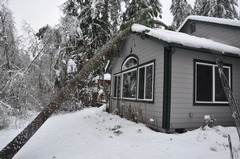
Post-storm contents restoration is one of the most critical yet misunderstood steps in recovery after severe weather events such as hurricanes, tornadoes, windstorms, and flash flooding. When storms pass, the visible damage to roofs, walls, and windows often draws immediate attention, but the most significant losses frequently occur inside the property. Furniture, clothing, electronics, documents, artwork, medical equipment, and business assets are often exposed to water intrusion, humidity, debris, and contaminants long before structural repairs begin.
For homeowners and businesses, the hours and days immediately following a storm determine whether valuables are restored or written off as total losses. Without professional post-storm contents restoration, salvageable belongings can suffer secondary damage from mold growth, corrosion, odor absorption, and improper handling.
At CRDN Team Crouch, post-storm contents restoration is treated as a disciplined, time-sensitive process designed to protect valuables, minimize loss severity, and support faster recovery. Our role is not just to clean items, but to stabilize, document, restore, and return what matters most.
According to the Federal Emergency Management Agency (FEMA), severe storms often cause cascading interior damage that worsens when contents are not addressed quickly, making early mitigation essential.
Post-Storm Contents Restoration — Why Immediate Action Matters
Post-storm contents restoration begins the moment severe weather subsides. Storm-related damage is rarely static; moisture continues to migrate, humidity rises, and contaminants spread throughout a structure.
After storms, contents are often exposed to:
Wind-driven rain intrusion
Floodwater and runoff
Structural openings allowing humidity and debris
Power outages preventing environmental control
The Insurance Information Institute (III) reports that storm-related water damage is among the most costly categories of insurance claims, largely due to delayed mitigation of interior contents.
Immediate action reduces damage progression and preserves restoration options.
How Severe Weather Threatens Personal and Commercial Valuables
Severe weather creates multiple simultaneous threats to contents.
For residential properties, valuables at risk include:
Clothing and textiles
Upholstered furniture
Electronics and appliances
Photographs, documents, and keepsakes
For commercial properties, contents often include:
Office equipment and electronics
Inventory and merchandise
Uniforms and operational assets
Medical, dental, or industrial equipment
According to the National Weather Service (NWS), severe storms frequently cause interior water intrusion even when exterior damage appears minor, increasing the risk to contents left in place.
Post-storm contents restoration addresses these hidden vulnerabilities.
Secondary Damage: The Greatest Post-Storm Threat
Secondary damage is often more destructive than the storm itself.
When contents are left in damp, unstable environments:
Mold growth accelerates
Metals corrode
Fabrics develop persistent odors
Paper products deteriorate
Electronics suffer delayed failure
The Environmental Protection Agency (EPA) explains that mold can begin developing within 24 to 48 hours of water exposure, especially when humidity remains high, conditions common after storms.
Professional post-storm contents restoration is designed to interrupt this damage cycle early.
Why Rapid Contents Packouts Protect Valuables
One of the most effective tools in post-storm contents restoration is rapid contents packout.
Packouts allow restoration teams to:
Remove valuables from unstable environments
Prevent prolonged moisture exposure
Control temperature and humidity
Separate contaminated items
Begin restoration immediately
The Institute of Inspection Cleaning and Restoration Certification (IICRC) emphasizes that early removal and stabilization of contents significantly improves restoration outcomes after water and storm losses.
CRDN Team Crouch evaluates packout needs quickly to protect both residential and commercial valuables.
Floodwater and Contamination Risks After Storms
Storm-related flooding introduces additional hazards.
Floodwater may contain:
Sewage and bacteria
Chemicals and debris
Soil contaminants
Organic matter
The Centers for Disease Control and Prevention (CDC) warns that floodwater-contaminated materials can pose health risks if not properly cleaned and sanitized.
Post-storm contents restoration ensures contaminated items are handled safely and appropriately, protecting occupants and workers alike.
Protecting Electronics and Technology After Severe Weather
Electronics are particularly vulnerable after storms.
Even when devices appear dry:
Moisture can remain trapped internally
Corrosion can begin immediately
Delayed failures may occur weeks later
The National Institute of Standards and Technology (NIST) explains that moisture exposure can lead to corrosion-driven electronic failures if not addressed promptly.
CRDN Team Crouch prioritizes rapid stabilization and assessment of electronics during post-storm contents restoration to preserve functionality and reduce replacement costs.
Odor Absorption and Textile Damage After Storms
Textiles absorb storm-related contaminants quickly.
Common issues include:
Mildew odors from prolonged humidity
Smoke odors following storm-related fires
Organic odors from flood exposure
The Environmental Protection Agency (EPA) notes that porous materials readily absorb airborne pollutants, making professional cleaning essential after storms.
Post-storm contents restoration includes specialized textile cleaning and deodorization to return items to safe, usable condition.
Documentation: Protecting Valuables and Insurance Outcomes
Accurate documentation is a cornerstone of post-storm contents restoration.
Proper documentation:
Ensures all damaged items are accounted for
Supports insurance claims
Reduces disputes
Protects policyholders financially
The National Association of Insurance Commissioners (NAIC) identifies incomplete contents inventories as a major cause of post-disaster claim delays.
CRDN Team Crouch provides detailed inventories, photographic records, and chain-of-custody tracking for every item handled.
Climate-Controlled Storage During Recovery
Storage conditions play a critical role after packout.
Improper storage can reintroduce damage through:
High humidity
Temperature fluctuations
Dust and debris exposure
The Environmental Protection Agency (EPA) explains that controlled environments are essential to prevent recontamination of restored items.
CRDN Team Crouch uses secure, climate-controlled storage facilities to protect valuables until properties are ready for reinstallation.
Coordinated Pack-Back: Completing the Recovery
Pack-back is the final phase of post-storm contents restoration.
A professional pack-back ensures:
Items are returned in restored condition
Placement aligns with pre-loss layout
Properties regain normal function quickly
This step is often the emotional turning point for families and businesses.
The American Psychological Association (APA) explains that restoring familiar belongings plays a significant role in emotional recovery after disasters.
CRDN Team Crouch coordinates pack-back carefully to support both practical and emotional recovery.
Why CRDN Team Crouch Leads Post-Storm Contents Restoration
CRDN Team Crouch’s leadership comes from experience, systems, and care.
We deliver:
Rapid storm response capability
Specialized contents handling
Detailed documentation
Climate-controlled storage
Clear communication with insurers and clients
Our approach protects valuables while helping communities recover faster after severe weather.
What Happens When Contents Restoration Is Delayed
When post-storm contents restoration is delayed:
Salvageable items become total losses
Mold remediation becomes necessary
Insurance claims increase in value and complexity
Recovery timelines extend
Many of these outcomes are preventable with immediate professional action.
Post-storm contents restoration is essential to protecting and recovering valuables after severe weather. Storms do not end when the skies clear, damage continues to spread inside properties until it is stopped.
Through rapid response, careful packouts, controlled restoration environments, and detailed documentation, CRDN Team Crouch helps homeowners and businesses protect what matters most, minimize losses, and recover with confidence.
?? Call CRDN Team Crouch at (903) 908-1919
?? Visit https://www.crdntx.com
CRDN — Restoring what storms leave behind.
Categories
Recent Posts
-
September 15, 2026
Home Content Cleaning After Disaster: How Professional Contents Restoration Can Save What Matters Most
-
September 8, 2026
Fire Damage Restoration: A Complete Guide to Recovering Your Home and Belongings After a Fire
-
September 3, 2026
Clothing Restoration After Fire and Water Damage: How Professional Restoration Can Save Your Wardrobe