Large-Loss Contents Restoration Explained: What Businesses Need to Know
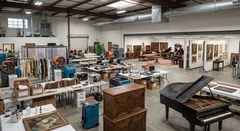
Large-Loss Contents Restoration Explained: What Businesses Need to Know
A major disaster can affect far more than the structure of a commercial property.
When a fire, flood, storm, sprinkler failure, or other catastrophic event occurs, the contents inside the building can represent a substantial portion of the total loss.
Computers.
Servers.
Office furniture.
Documents.
Electronics.
Inventory.
Equipment.
Artwork.
Textiles.
Specialized business assets.
When hundreds or thousands of items are affected at the same time, managing the contents becomes a major restoration project of its own.
This is where large-loss contents restoration becomes especially important.
Large-loss contents restoration is the organized process of assessing, documenting, packing, transporting, cleaning, restoring, storing, and returning large volumes of commercial contents after a disaster.
At CRDN Team Crouch, large-loss restoration is designed to help businesses, property owners, contractors, and insurance professionals manage complex contents losses with a structured process.
The goal is not simply to remove everything from a damaged building.
The goal is to determine:
What can be protected?
What can be restored?
What needs specialized treatment?
What must be replaced?
And perhaps most importantly:
How can the contents recovery process be managed without creating additional losses?
What Is Large-Loss Contents Restoration?
Large-loss contents restoration refers to the management and restoration of a significant volume of belongings or business assets after a major property loss.
Unlike a small contents loss involving a limited number of items, a large commercial loss can involve entire buildings, multiple departments, numerous rooms, or hundreds or thousands of individual assets.
A large-loss project may involve:
- Office furniture
- Computers
- Servers
- Electronics
- Business records
- Inventory
- Equipment
- Clothing and textiles
- Artwork
- Documents
- School equipment
- Medical or assisted-living contents
- Specialized business property
CRDN Team Crouch provides commercial large-loss contents restoration, including fine art restoration and packout, electronic restoration and packout, textile restoration and packout, hard-drive data recovery, complete contents restoration and packout, inventory management, document drying and restoration, and contents storage.
The scale of the loss changes the way the contents need to be managed.
A large project requires organization, documentation, manpower, logistics, specialized restoration capabilities, and communication.
What Types of Disasters Can Create a Large Contents Loss?
Large-loss contents restoration may be necessary after many different types of disasters.
Fire Damage
A commercial fire can affect contents through flames, heat, smoke, soot, firefighting water, and odor.
Even areas that were not directly burned can contain smoke-affected contents.
Electronics, furniture, documents, uniforms, inventory, and equipment may all require evaluation.
Water and Flood Damage
Water can enter commercial properties through:
- Burst pipes
- Sprinkler failures
- Roof leaks
- Plumbing failures
- Flooding
- Appliance failures
- Storms
Water can quickly affect large quantities of contents, especially when items are stored on lower floors or in large warehouses.
Storm Damage
Tornadoes, hurricanes, severe storms, and wind-driven rain can expose commercial contents to water, debris, dirt, and other contaminants.
A damaged roof can create extensive contents exposure throughout an entire building.
Mold and Moisture
When commercial contents remain exposed to moisture, mold can become an additional concern.
Paper products, textiles, furniture, and other porous materials can be particularly vulnerable.
Catastrophic or Multi-Room Losses
Some disasters affect an entire commercial facility rather than a single room.
These situations can require rapid mobilization and large teams to remove contents before demolition and structural restoration begin.
Why Large-Loss Contents Restoration Is Different
A large contents loss cannot be managed like an ordinary moving project.
There may be thousands of individual items requiring identification, documentation, handling, cleaning, restoration, storage, and eventual return.
A commercial restoration project may also involve several different categories of contents at the same time.
For example, one building could contain:
- Computers
- Servers
- Furniture
- Confidential documents
- Artwork
- Inventory
- Textiles
- Specialized equipment
Each category may require a different restoration process.
That is why large-loss contents restoration requires more than manpower.
It requires organization and specialized expertise.
The Importance of Rapid Response
Time matters after a major contents loss.
Water can continue to deteriorate materials.
Humidity can contribute to additional problems.
Smoke odors can remain in porous materials.
Soot can affect surfaces.
Construction activity can expose contents to dust and debris.
The longer affected contents remain in an unsuitable environment, the greater the potential for additional deterioration.
CRDN Team Crouch provides 24/7 emergency response and commercial contents restoration services for fire, water, mold, storm, and other disaster losses.
A rapid response can help businesses move from emergency conditions toward a controlled contents recovery process.
How Large-Loss Contents Restoration Works
A successful large-loss project needs a clearly defined process.
While every disaster is different, the restoration process generally involves several key stages.
1. Emergency Assessment
The process begins with an evaluation of the property and its contents.
The restoration team determines:
- What happened
- Which areas were affected
- What contents are present
- What types of damage exist
- Which items require immediate attention
- What needs to be removed before structural work begins
This initial assessment helps establish the scope of the project.
2. Inventory and Documentation
Large-loss restoration requires detailed documentation.
Contents may be documented using:
- Item descriptions
- Photographs
- Locations
- Quantities
- Serial numbers
- Condition information
- Restoration status
CRDN Team Crouch's contents restoration services include detailed inventory logging, photographic documentation, custom packaging, barcode tracking, and transportation to and from its restoration facility.
For a large commercial loss, this level of organization can be essential.
Without accurate tracking, it can become difficult to determine where thousands of individual items are located throughout the restoration process.
Why Inventory Management Matters in a Large Loss
Imagine a commercial property with several floors and hundreds of workstations.
Now imagine that every desk, computer, monitor, chair, document, and piece of equipment needs to be removed.
Without an organized inventory system, tracking those contents can quickly become complicated.
A professional inventory can help answer questions such as:
- What was in the building?
- Where was it located?
- Was it damaged?
- Was it packed out?
- Where is it stored?
- Has it been cleaned?
- Is it awaiting restoration?
- Has it been returned?
For businesses, inventory management can be one of the most important parts of a large-loss restoration project.
3. Contents Packout
Once the contents have been documented, affected items may be carefully packed and removed from the property.
This is known as a contents packout.
A professional packout may include:
- Sorting
- Labeling
- Inventory tracking
- Photographing
- Protective packaging
- Specialized handling
- Transportation
- Secure storage
CRDN Team Crouch provides complete commercial contents packout services and can mobilize teams for large commercial losses.
A packout also allows contractors to begin structural work without having to work around large quantities of business contents.
4. Specialized Handling
Not everything can be packed the same way.
A computer requires different handling from a sofa.
A piece of artwork requires different handling from office furniture.
Wet documents require different treatment from metal equipment.
High-value or fragile contents may require custom packaging.
CRDN Team Crouch provides specialized restoration for textiles, electronics, fine art, documents, and other contents.
The purpose of specialized handling is to reduce the risk of additional damage during transportation and restoration.
5. Transportation
After contents are packed, they may need to be transported to a restoration facility or secure storage location.
Transportation becomes more complicated as the size of the loss increases.
A large commercial loss may involve:
- Multiple vehicles
- Hundreds of containers
- Large equipment
- Fragile items
- Confidential documents
- Specialty contents
- Multiple destinations
Organization and tracking are therefore essential.
6. Cleaning and Restoration
Once contents are removed from the damaged property, they can be evaluated and treated based on the type of damage.
Different materials may require different restoration methods.
Electronics
Electronics may require specialized cleaning, drying, testing, corrosion control, or data recovery.
Textiles
Clothing, uniforms, drapes, linens, and other fabrics may require specialized textile cleaning and restoration.
Documents
Water-damaged documents may require specialized drying and restoration.
Fine Art
Artwork and valuable pieces may require specialized handling and restoration techniques.
General Contents
Furniture, appliances, equipment, and other belongings may require cleaning, deodorization, sanitization, or other restoration services.
CRDN Team Crouch offers these specialized commercial contents restoration services as part of its large-loss capabilities.
7. Secure Storage
Large-loss restoration can take time.
A commercial building may require demolition, reconstruction, electrical work, flooring replacement, painting, or other repairs before contents can return.
During that period, restored or pending-restoration contents need an appropriate place to remain.
CRDN Team Crouch provides storage for textiles, art, electronics, and other contents, including short- and long-term options in climate-controlled facilities.
Secure storage can help separate the contents restoration process from ongoing structural work.
8. Restoration Tracking
Large-loss restoration does not end when the contents leave the building.
Items may move through several stages:
Packout → Transportation → Storage → Cleaning → Restoration → Inspection → Storage → Pack-Back
Tracking helps ensure that items do not become lost or overlooked during the process.
Barcode tracking can provide an additional layer of accountability for large quantities of contents.
9. Pack-Back
Once the building has been restored and the contents are ready, belongings can be returned.
This is often called pack-back.
The contents can be returned according to the inventory and placed back into appropriate areas.
For a large commercial property, this can require careful coordination with contractors and business representatives.
The objective is to return the business to a functional environment while maintaining accountability for the contents throughout the process.
What Types of Commercial Properties May Need Large-Loss Contents Restoration?
Large-loss contents restoration can apply to many different types of commercial properties.
Schools
Schools may contain:
- Computers
- Servers
- Musical instruments
- Uniforms
- Stage equipment
- Smart screens
- Furniture
- Educational materials
CRDN Team Crouch describes a past high-school gym fire where its team packed out band instruments, smart screens, computers, and servers for restoration.
Assisted-Living Facilities
Large residential-care facilities can contain hundreds of rooms and extensive personal contents.
A major storm or structural loss can require rapid coordination across numerous units.
CRDN Team Crouch reports responding to a tornado loss involving more than 100 individual apartments or cottages and mobilizing crews to pack out contents so demolition could begin.
Offices
Office losses can involve:
- Desks
- Chairs
- Computers
- Phones
- Documents
- Servers
- Printers
- Filing cabinets
- Conference-room equipment
Warehouses
Warehouses can contain enormous quantities of inventory, equipment, packaging, and business property.
The scale of the contents can make organization particularly important.
Document Storage Facilities
Businesses that store confidential paper records can face especially challenging water losses.
CRDN Team Crouch describes a past flood loss involving a 130,000-square-foot facility that stored paper copies of confidential files. The response included packing out wet documents, inventorying them, and QR-coding the contents under a time-sensitive restoration process.
Large-Loss Contents Restoration for Electronics
Electronics can represent a significant portion of a commercial contents loss.
A business may have hundreds of computers, monitors, servers, phones, networking devices, security systems, and other technology.
Water, smoke, soot, and other contaminants can affect electronic equipment even when the damage is not immediately visible.
Professional electronics restoration may include:
- Assessment
- Cleaning
- Drying
- Decontamination
- Corrosion control
- Testing
- Data recovery
- Restoration evaluation
CRDN Team Crouch lists electronic restoration and packout, along with hard-drive data recovery, among its commercial large-loss services.
The goal is to evaluate equipment before automatically deciding that everything needs to be replaced.
Large-Loss Textile Restoration
Commercial properties can also contain significant quantities of textiles.
Examples include:
- School uniforms
- Stage drapes
- Bedding
- Curtains
- Linens
- Clothing
- Upholstery
Textiles affected by fire, smoke, water, or other contaminants may require specialized cleaning.
CRDN Team Crouch provides textile restoration and packout as part of its commercial contents services.
In large losses, textile restoration can involve substantial quantities that need to be inventoried, packed, transported, cleaned, stored, and returned.
Large-Loss Document Restoration
Paper documents present a unique challenge after water damage.
When hundreds or thousands of documents become wet, simply moving them into another room may not be enough.
Paper can swell, stick together, tear, stain, or deteriorate.
CRDN Team Crouch provides document drying and restoration and has experience with large-scale document losses.
For businesses handling confidential records, documentation and tracking become particularly important.
Why Businesses Need a Coordinated Restoration Team
A large commercial contents loss may involve multiple parties:
- Property owners
- Business managers
- Employees
- Insurance representatives
- Adjusters
- Contractors
- Mitigation companies
- Restoration specialists
- Contents specialists
Without clear communication, the process can become difficult to coordinate.
CRDN Team Crouch emphasizes a single line of communication, pre-loss introductions, commercial pricing, 24/7/365 emergency preparedness, and large-loss experience as part of its commercial restoration approach.
A coordinated approach helps keep the contents portion of the restoration organized alongside the structural repairs.
How Large-Loss Contents Restoration Works With Insurance
Large losses can generate extensive documentation.
The contents restoration process may involve:
- Inventories
- Photographs
- Damage assessments
- Estimates
- Packout records
- Cleaning records
- Restoration records
- Storage records
- Final return documentation
CRDN Team Crouch works with policyholders, insurance representatives, and contractors as part of its restoration process.
It is important to distinguish restoration documentation from insurance coverage decisions.
A restoration company can document damage and restoration work, but the insurance carrier determines coverage according to the applicable policy.
What Businesses Should Do After a Large Contents Loss
When a major disaster occurs, businesses should focus on safety first.
After the property is safe to access, a practical recovery process can include:
1. Address the Emergency
Follow safety instructions and address the source of the damage when appropriate.
2. Contact the Appropriate Parties
Notify your insurance carrier and relevant emergency or mitigation professionals.
3. Document the Damage
Photograph affected areas and contents when it is safe to do so.
4. Avoid Unnecessary Handling
Do not move fragile, hazardous, or heavily damaged contents without appropriate precautions.
5. Request a Contents Assessment
A professional assessment can help identify the scale of the contents loss.
6. Create an Inventory
Document affected contents before large-scale removal begins.
7. Begin Packout When Appropriate
Removing contents can protect them while structural restoration takes place.
8. Restore What Can Be Restored
Specialized restoration can provide opportunities to recover electronics, textiles, documents, artwork, furniture, and other business assets.
9. Use Secure Storage
Protect contents while the building is undergoing reconstruction.
10. Coordinate the Pack-Back
Return contents according to the documented inventory once the property is ready.
Common Mistakes During a Large Contents Loss
Treating the Loss Like a Moving Project
A restoration packout involves much more than moving boxes.
Contents may be contaminated, damaged, fragile, valuable, or subject to specialized restoration requirements.
Failing to Document Contents
Without an accurate inventory, tracking thousands of items becomes significantly more difficult.
Leaving Contents Inside During Construction
Demolition and reconstruction can expose contents to dust, debris, moisture, and other hazards.
Discarding Items Too Quickly
Some damaged items may have restoration potential.
Mixing Different Types of Contents
Electronics, documents, textiles, artwork, and general contents may require different handling and restoration processes.
Underestimating the Scale
A large-loss contents project can involve hundreds or thousands of individual items and require substantial coordination.
Why Large-Loss Experience Matters
The larger the loss, the more complicated the logistics can become.
A restoration company working on a large commercial project needs to be able to coordinate:
- Personnel
- Inventory
- Packaging
- Transportation
- Specialty restoration
- Storage
- Documentation
- Communication
- Pack-back
CRDN Team Crouch reports extensive large-loss experience, including commercial losses involving schools, assisted-living facilities, document storage facilities, and hurricane-related losses.
This experience can be particularly valuable when a business needs to mobilize quickly after a major disaster.
The CRDN Team Crouch Approach to Large-Loss Contents Restoration
At CRDN Team Crouch, we understand that large-loss contents restoration is about more than removing items from a damaged building.
It is about creating a structured recovery process for the contents that businesses depend on.
Our commercial large-loss capabilities include:
- Complete contents restoration and packout
- Electronic restoration and packout
- Fine art restoration and packout
- Textile restoration and packout
- Hard-drive data recovery
- Document drying and restoration
- Inventory management
- Secure contents storage
- Fire contents restoration
- Water contents restoration
- Mold contents restoration
- Storm contents restoration
CRDN Team Crouch's published commercial process includes mobilization and site inspection, preparation of a scope of work and estimate, written approval and work authorization, project work, daily reporting, and final invoicing.
The goal is straightforward:
Protect the contents. Document the loss. Restore what can be restored. Keep the recovery organized.
Large-Loss Contents Restoration FAQs
What is large-loss contents restoration?
Large-loss contents restoration is the process of assessing, documenting, packing, transporting, cleaning, restoring, storing, and returning large quantities of contents after a major fire, water, storm, mold, or other disaster.
What makes a contents loss a large loss?
There is no single universal threshold. A large loss generally involves a substantial volume of contents, significant property damage, multiple areas or buildings, or complex restoration and logistics requirements.
What types of businesses need large-loss contents restoration?
Schools, offices, warehouses, assisted-living facilities, document storage facilities, retail properties, and other commercial buildings may require large-loss contents restoration after a major disaster.
What does a commercial contents packout include?
A commercial packout can include inventory, photography, labeling, protective packaging, barcode tracking, transportation, restoration, storage, and eventual pack-back.
Can electronics be restored after a commercial fire or water loss?
Some electronics may have restoration potential depending on the type and severity of damage. Professional evaluation and testing can help determine whether equipment can be restored.
Can wet business documents be restored?
Some water-damaged documents can be candidates for professional drying and restoration. The appropriate process depends on the material and condition.
How are thousands of items tracked during a large loss?
Professional contents restoration companies can use detailed inventories, photographs, labels, and barcode or other tracking systems to maintain accountability throughout the restoration process. CRDN Team Crouch uses inventory documentation and barcode tracking as part of its contents packout services.
Where are commercial contents stored during restoration?
Contents may be transported to secure, climate-controlled storage facilities while the damaged property undergoes structural restoration. CRDN Team Crouch provides short- and long-term contents storage.
Does CRDN Team Crouch provide 24/7 large-loss response?
Yes. CRDN Team Crouch advertises 24/7 emergency response for contents restoration and commercial losses.
Don't Let a Large Contents Loss Become a Bigger Loss
A major commercial disaster can feel overwhelming.
The building may be damaged.
Operations may be interrupted.
Employees may be displaced.
And hundreds or thousands of business assets may need attention.
But a damaged building does not automatically mean that everything inside has to be discarded.
With proper assessment, documentation, packout, specialized cleaning, restoration, and storage, many commercial contents may have a path toward recovery.
That is the purpose of large-loss contents restoration.
At CRDN Team Crouch, we help businesses manage the contents side of major property losses with specialized restoration services, organized inventory management, secure storage, and experienced large-loss response.
When disaster strikes, don't focus only on what was damaged.
Start by asking:
What can be saved?
If your business has experienced a major fire, water, storm, mold, or other property loss, contact CRDN Team Crouch at (903) 793-0560 for 24/7 emergency contents restoration services. You can also visit CRDN Team Crouch to learn more about commercial large-loss contents restoration, packout, storage, electronics, textiles, artwork, and document restoration.
CRDN Team Crouch - Helping Businesses Recover What Matters.
Categories
Recent Posts
-
September 28, 2026
Large-Loss Contents Restoration Explained: What Businesses Need to Know
-
September 28, 2026
Large-Loss Contents Restoration Explained: What Businesses Need to Know
-
September 25, 2026
How Businesses Can Protect Equipment After Water Damage